
Healthcare depends on open communication. Code Blue situations demonstrate this: responsibilities are obvious when a resuscitation team communicates effectively, and interventions are quick. Nurse-to-physician handoffs at shift change are another vital event. Lack of information about a patient’s renal function or medication sensitivity can cause disastrous events. Team members have…
PGMEE, MRCS, USMLE, MBBS, MD/MS
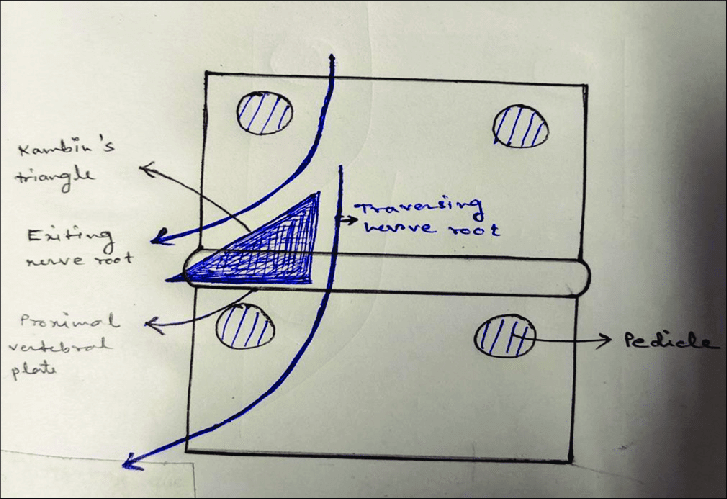
Kambin’s Triangle or Prism
There is confusion regarding the borders of Kambin’s triangle across the literature. Kambin originally described the borders of this triangular working zone as: Though it was named as a “triangle” it was described with 4 borders with 2 triangles (in AP view and Lateral view) which gives a 3D structure…
PGMEE, MRCS, USMLE, MBBS, MD/MS
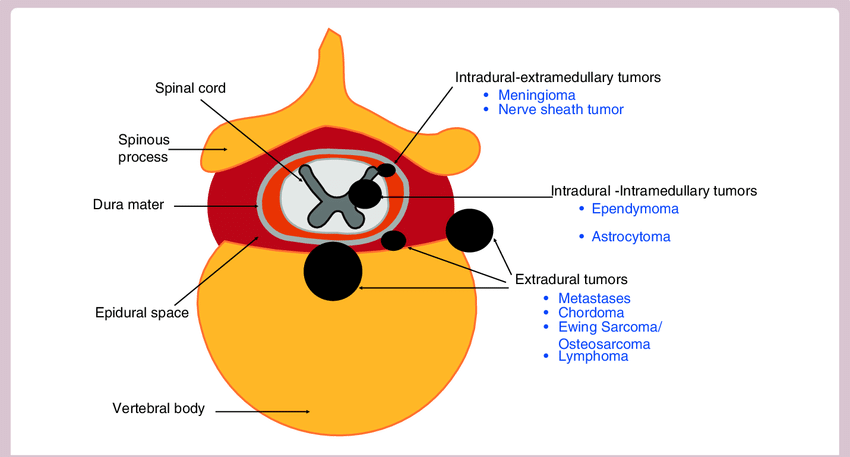
Spinal Tumors Localization : Mnemonics
Intradural Intramedullary Spinal Tumors Mnemonic: I HEAL Intradural Extramedullary Spinal Tumors Mnemonic: MNM Extradural Spinal Tumors Lesions outside the thecal sac are categorized as extradural lesions. Remember that everything that isn’t in the thecal sac is extradural, including discs, bones, nerves, and blood vessels.
PGMEE, MRCS, USMLE, MBBS, MD/MS
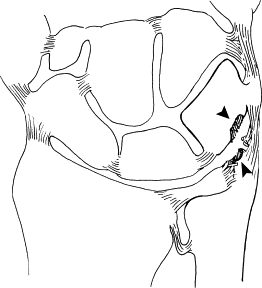
Ulnar styloid impaction syndrome
Definition: Impaction of triquetrum against the ulnar styloid causing chondromalacia, synovitis and ulnar-sided wrist pain Pathology: Etiology: Clinical features: 1. Asymptomatic 2. Ulnar-sided wrist pain, aggravated by wrist extension and specific positioning (having hands on hip or back pockets) 3. Potential history of trauma to distal radius or ulna, surgery…
PGMEE, MRCS, USMLE, MBBS, MD/MS
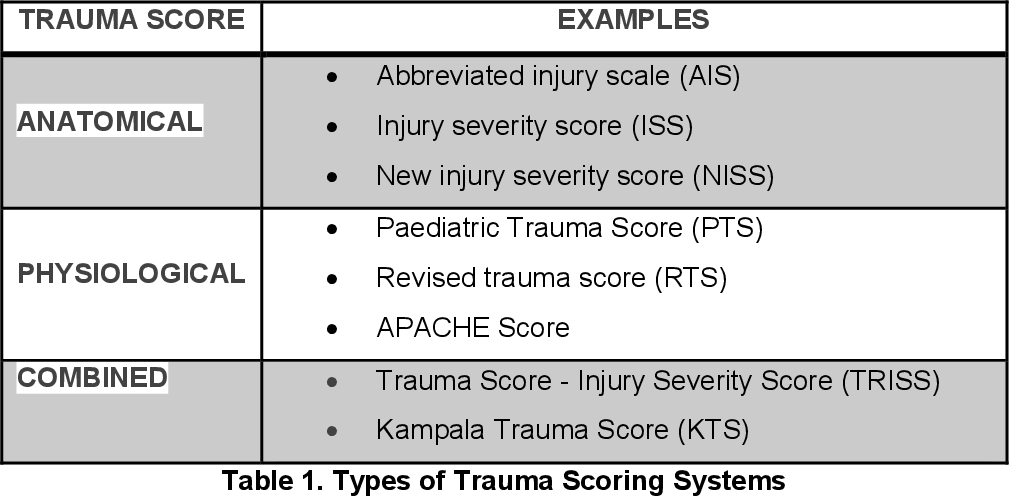
Trauma Scoring Systems
Scoring systems Score type Brief description Score interpretation Revised trauma score (RTS) Physiologic RR + SBP + GCS Each parameter is scored 0-4 (Total range = 0-12) Lower score indicates more severe injury (RTS 12 = <1% mortality; RTS 0 = >99% mortality) Score <11 – transfer to trauma center…
Blog

Medical Cannabis and Pain Management: What Doctors Need to Know
Medical cannabis is gaining increasing recognition as a potential treatment for chronic pain. However, many healthcare professionals remain uncertain about its efficiency, safety, and legal implications. As more patients look for alternatives to conventional pain management medications, healthcare experts must remain informed about the use of medical cannabis. Read more…
PGMEE, MRCS, USMLE, MBBS, MD/MS
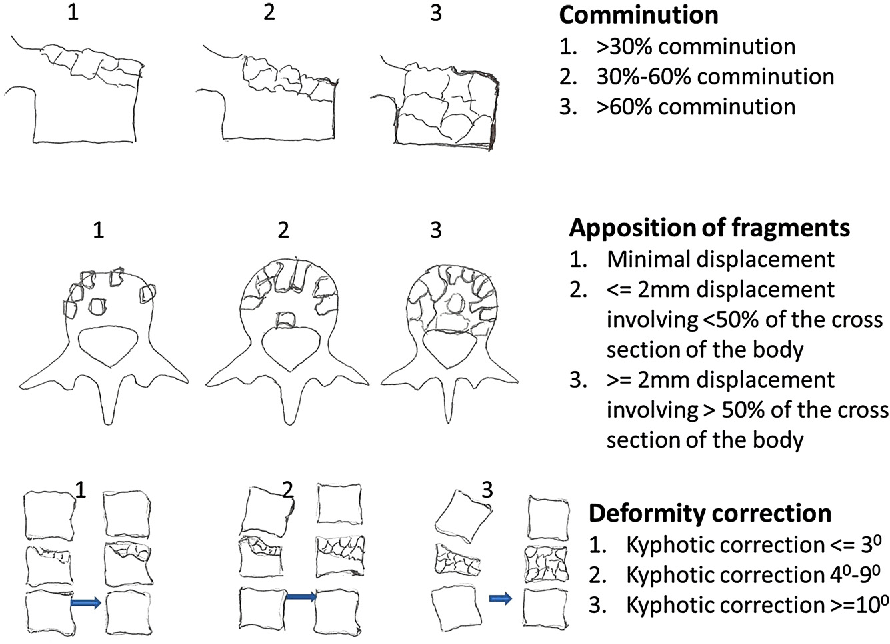
McCormack Load Sharing Classification (LSC)
McCormack classification aims to predict the need for anterior stabilization in addition to posterior fixation in cases of thoracolumbar burst fractures. It considers 3 factors for scoring: Principle: Application of load-sharing principle of long bone fixation (load sharing between implant system and host bone) to surgical treatment of acute thoracic…
PGMEE, MRCS, USMLE, MBBS, MD/MS
TLICS vs SLICS
Thoracolumbar Injury Classification and Severity (TLICS) and Subaxial Cervical Spine Injury Classification System (SLICS) are based on 3 components of injury: TLICS score and SLICS score provide a scoring system to guide management: Characteristics TLICS SLIC 1. Injury morphology (Radiographs, CT) a. No abnormality 0 0 b. Compression 1 1…