Skip to content
Epomedicine

Mnemonics, Simplified Concepts & Thoughts

Epomedicine

Mnemonics, Simplified Concepts & Thoughts

pregnancy

Why is hepatitis E dangerous during pregnancy?

Epomedicine, May 20, 2019May 20, 2019

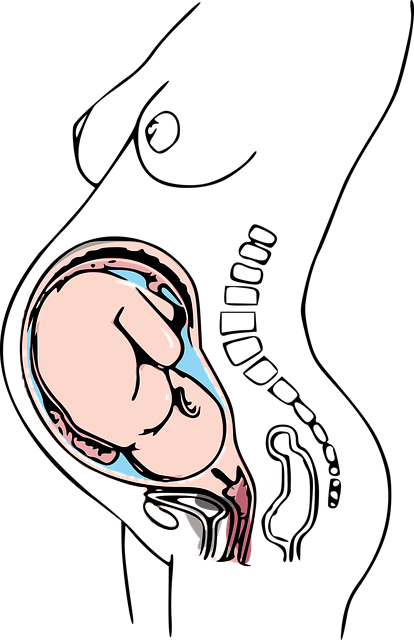
Hepatitis E Virus (HEV) infection is usually a self-limiting disease with a low rate of fulminant hepatic failure but maternal hepatitis E during the third trimester of pregnancy is a cause of fulminant hepatic failure with a mortality rate of upto 20%.
pregnancy

Severe liver injury due to HEV in pregnancy can be due to the following reasons:

  1. Immunological changes: to prevent rejection of antigenic fetus
    • shift in TH1/TH2 balance towards TH2 favoring increased viremia and with subsequent increase in TH1 response to HEV, there may be CD8 T cell mediated liver damage
    • physiological downregulation of NF-kB p65 component favoring increased apoptosis and degeneration of liver
  2. Hormonal changes: progesterone, estrogen and human chorionic gonadotropin (HCG) increase with pregnancy and these are immuno-suppresives and enhance viral replication
  3. Viral factors:
    • Genotypes: Of the 4 genotypes, genotype 1, is associated with more severe infection in pregnancy
    • Viral load
    • ORF-1 mutation
  4. Maternal factor: Malnutrition

Navaneethan U, Al Mohajer M, Shata MT. Hepatitis E and pregnancy: understanding the pathogenesis. Liver Int. 2008 Nov;28(9):1190-9. doi: 10.1111/j.1478-3231.2008.01840.x. Epub 2008 Jul 25. PubMed PMID: 18662274; PubMed Central PMCID: PMC2575020.

References:

  1. Shalimar, Acharya SK. Hepatitis e and acute liver failure in pregnancy. J Clin Exp Hepatol. 2013 Sep;3(3):213-24. doi: 10.1016/j.jceh.2013.08.009. Epub 2013 Sep 5. PubMed PMID: 25755503; PubMed Central PMCID: PMC3940148.
  2. Sleisenger and Fordtran’s Gastrointestinal and Liver Disease- 2 Volume Set – 9th Edition
  • Facebook
  • Twitter
PGMEE, MRCS, USMLE, MBBS, MD/MS Gastrointestinal systemObGyn

Post navigation

Previous post
Next post

Related Posts

PGMEE, MRCS, USMLE, MBBS, MD/MS

FDA Pregnancy Drug Risk Categories : Mnemonic

Mar 27, 2021Mar 27, 2021

We have simplified the information above as following: Category A: Adequate Anthropoid (Human) studies and Absolutely safe (No risk in controlled human studies) Category B: Bounded (limited) human studies and safe in Beast (animal) studies; Better to use (No risk in other studies) Category C: Catastrophic effects in animals and…

Read More
PGMEE, MRCS, USMLE, MBBS, MD/MS sacral plexus mnemonic

Lumbosacral Plexus Simplified

Aug 18, 2016Oct 17, 2020

While everyone is busy talking about the brachial plexus – lumbosacral plexus (the origin of nerves that supplies everything below the umbilicus) seems to be bit under-rated. Formation of Lumbosacral Plexus Ventral rami of L1-S4; has 2 components – Lumbar plexus (L1-L4) – forms within psoas major anterior to lumbar…

Read More
PGMEE, MRCS, USMLE, MBBS, MD/MS

Transpyloric Plane : Mnemonic

Jun 12, 2023Jun 12, 2023

Synonyms: Addison’s plane Definition: An imaginary horizontal line (halfway between suprasternal notch and pubic symphysis) through the L1 vertebra, a line that is important when performing radiographic imaging studies. Structures lying in transpyloric plane: Mnemonic: TRANSPYLORIC

Read More

Leave a Reply Cancel reply

Your email address will not be published. Required fields are marked *

This site uses Akismet to reduce spam. Learn how your comment data is processed.

Pre-clinical (Basic Sciences)

Anatomy

Biochemistry

Community medicine (PSM)

Embryology

Microbiology

Pathology

Pharmacology

Physiology

Clinical Sciences

Anesthesia

Dermatology

Emergency medicine

Forensic

Internal medicine

Gynecology & Obstetrics

Oncology

Ophthalmology

Orthopedics

Otorhinolaryngology (ENT)

Pediatrics

Psychiatry

Radiology

Surgery

RSS Ask Epomedicine

  • What to study for Clinical examination in Orthopedics?
  • What is the mechanism of AVNRT?

Epomedicine weekly

  • About Epomedicine
  • Contact Us
  • Author Guidelines
  • Submit Article
  • Editorial Board
  • USMLE
  • MRCS
  • Thesis
©2026 Epomedicine | WordPress Theme by SuperbThemes