Skip to content
Epomedicine

Mnemonics, Simplified Concepts & Thoughts

Epomedicine

Mnemonics, Simplified Concepts & Thoughts

Pes Anserinus : Mnemonic

Epomedicine, Apr 29, 2021Apr 29, 2021

Pes Anserinus is composed of the combination of tendinous insertions of the sartorius, gracilis and semitendinosus muscles (guy ropes muscles) which attaches to the medial side of tibia to generate a “goose’s foot” like appearance. These three muscles are mainly flexors of the knee but also have a role in internal rotation of the tibia. It lies superficial to the distal tibial insertion of medial collateral ligament (MCL). Pes anserinus bursa lies between MCL attachment and pes anserinus tendons.

Mnemonic: a Girl between 2 Sardars
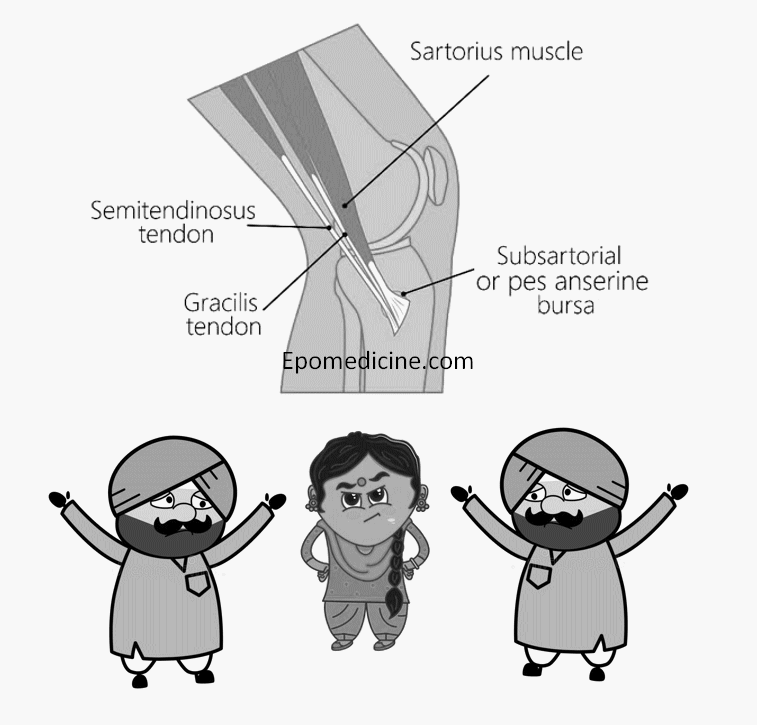
A Girl Between Two Sardars

This is a mnemonic similar to “a Lady between 2 Majors” which implies for the muscles around the radial groove. From anterior to posterior, the tendons of pes anserinus are:

  1. Sartorius
  2. Gracilis
  3. Semitendinosus

Mnemonic: FOT

The order of the innervation of these muscles from anterior to posterior:

  1. Sartorius: Femoral nerve
  2. Gracilis: Obturator nerve
  3. Semitendinosus: Tibial nerve

Mnemonic: ART

There origins in order can be remembered:

  1. Sartorius: ASIS
  2. Gracilis: Ramus (ischiopubic ramus)
  3. Semitendinosus: Tuberosity (ischial tuberosity)

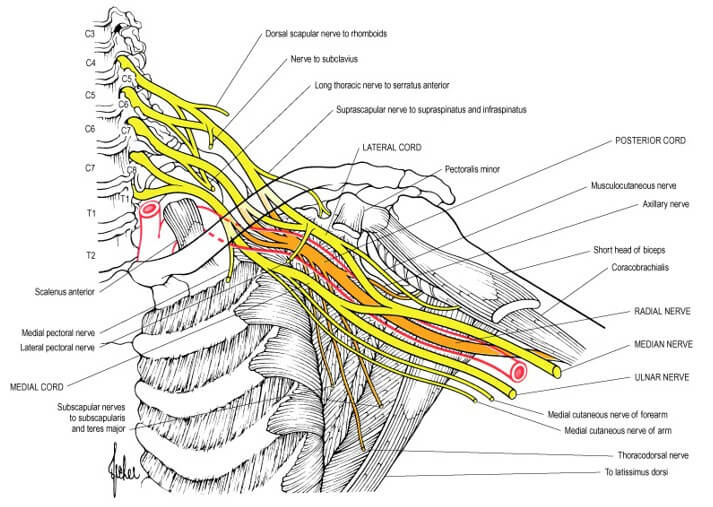
The conjoined tendon attaches to the proximal medial tibia 42 mm +/- 7 mm below tibial plateau, distal and medial to tibial tuberosity. Saphenous nerve exits between the sartorius and gracilis as it pierces the deep fascia.
  • Facebook
  • Twitter
PGMEE, MRCS, USMLE, MBBS, MD/MS AnatomyMusculoskeletal system

Post navigation

Previous post
Next post

Related Posts

PGMEE, MRCS, USMLE, MBBS, MD/MS tourniquet

Tourniquet Paralysis Syndrome

Feb 27, 2021Feb 27, 2021

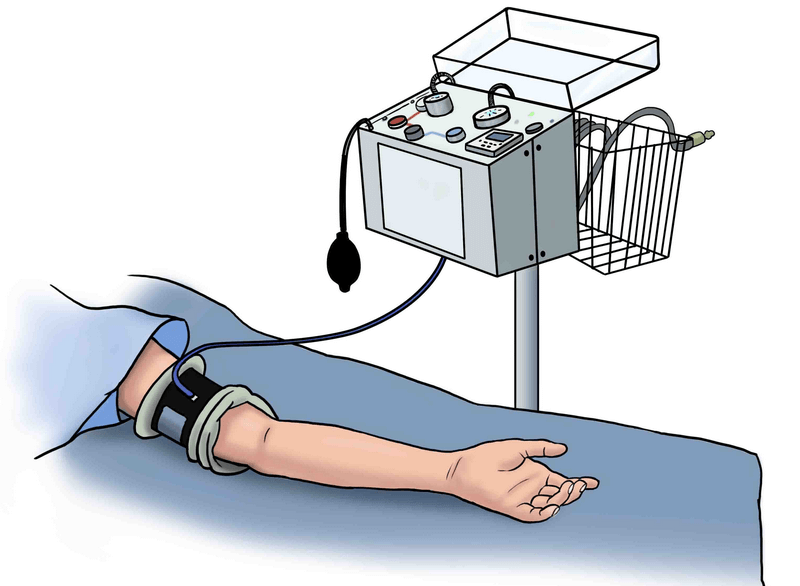
Synonym: Pressure paralysis Mechanism: Direct extrinsic pressure (displacement of ranvier node) or axonal hypoxia on the nerves beneath the tourniquet and are related to the cuff pressure and duration of application.\ It is different from post tourniquet syndrome which caused due to combined effect of muscle ischemia, edema and microvascular…

Read More
PGMEE, MRCS, USMLE, MBBS, MD/MS

Unhappy Triad of O’Donoghue : Mnemonic

Oct 19, 2024Oct 19, 2024

O’Donoghue unhappy triad is occurrence of 3 different soft tissue injuries of knee simultaneously. It includes: Mnemonic: MAM Mechanism: valgus stress with rotation of the knee Later on, more studies emerged showing that injuries in the lateral meniscus were more prevalent than injuries in the medial meniscus. The unhappy triad…

Read More
PGMEE, MRCS, USMLE, MBBS, MD/MS aion

Sudden Vision Loss : Simplified Approach

Aug 11, 2015Aug 18, 2015

Acute or sudden vision loss is due to one of the following causes: Opacification of normally transparent structures anterior to retina Retinal abnormalities Abnormalities of optic nerve and visual pathway Systematic history and ocular examination is necessary. Step 1: Unilateral or Bilateral Sudden vision loss ? Monocular loss of vision:…

Read More

Leave a Reply Cancel reply

Your email address will not be published. Required fields are marked *

This site uses Akismet to reduce spam. Learn how your comment data is processed.

Pre-clinical (Basic Sciences)

Anatomy

Biochemistry

Community medicine (PSM)

Embryology

Microbiology

Pathology

Pharmacology

Physiology

Clinical Sciences

Anesthesia

Dermatology

Emergency medicine

Forensic

Internal medicine

Gynecology & Obstetrics

Oncology

Ophthalmology

Orthopedics

Otorhinolaryngology (ENT)

Pediatrics

Psychiatry

Radiology

Surgery

RSS Ask Epomedicine

  • What to study for Clinical examination in Orthopedics?
  • What is the mechanism of AVNRT?

Epomedicine weekly

  • About Epomedicine
  • Contact Us
  • Author Guidelines
  • Submit Article
  • Editorial Board
  • USMLE
  • MRCS
  • Thesis
©2026 Epomedicine | WordPress Theme by SuperbThemes