Skip to content
Epomedicine

Mnemonics, Simplified Concepts & Thoughts

Epomedicine

Mnemonics, Simplified Concepts & Thoughts

hypothalamus hunger satiety

Orexigenic and Anti-orexigenic peptides : Mnemonic

Epomedicine, Jul 28, 2018

Orexigenic (Appetite stimulant) peptides

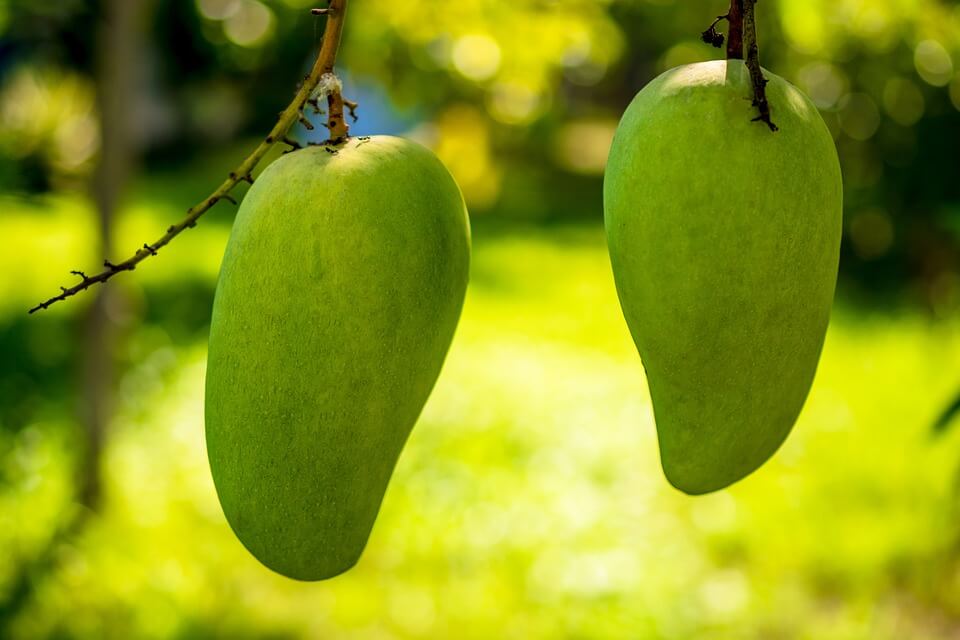
Mnemonic: When you see MANGOEs, you feel like eating.
mangoes orexigenic

  1. MCH (Melanocyte Conentrating Hormone)
  2. AGRP (Agouti Related Peptide)
  3. NPY (Neuropeptide Y), Noradrenaline
  4. GnRH, GABA, Galanin, Ghrelin
  5. Orexins A and B
  6. Endorphins, Endocannabinoids

Anti-orexigenic (Appetite supressant) peptides

Mnemonic: NO BLACk PIGS

black pigs

  1. Neurotensin
  2. Oxytocin, Oxyntomodulin
  3. Bombesin
  4. Leptin
  5. Alpha-MSH (POMC derivative), Amylin, Adiponectin
  6. CART (Cocaine and Amphetamine related Transcript), CRF (Corticotropin releasing factor), CCK (Cholecystokinin)
  7. Peptide YY, POMC, Prolactin
  8. Insulin, Interleukins
  9. GLP (Glucagon like peptide), GHRH (Growth hormone releasing hormone)
  10. Serotonin

Control of energy expenditure and feeding behavior
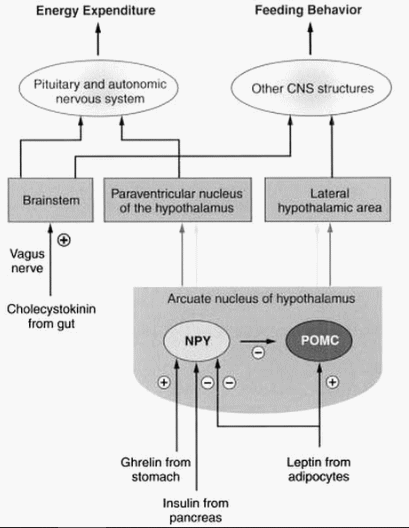
hypothalamus hunger satiety

1 shares
  • Facebook
  • Twitter
PGMEE, MRCS, USMLE, MBBS, MD/MS Gastrointestinal systemNervous systemPhysiology

Post navigation

Previous post
Next post

Related Posts

PGMEE, MRCS, USMLE, MBBS, MD/MS internal carotid artery

Internal Carotid Artery – Segments and Branches

Feb 13, 2017

7 segments of Internal Carotid Artery We have already discussed a mnemonic to remember the course of Internal Carotid Artery with the help of 2 horizontal “S” under the topic of Circle of Willis. C1 – Cervical segment C2 – Petrous (horizontal) segment C3 – Lacerum segment C4 – Cavernous…

Read More
PGMEE, MRCS, USMLE, MBBS, MD/MS dependence cycle

Substance abuse vs Substance dependence

Nov 4, 2016Nov 10, 2016

Both of these substance use disorders are maladpative patterns of substance use, leading to clinically significant impairment/distress but defined by separate criteria. Substance abuse ≥1 of the following occurring within a 12 month period: Mnemonic: 4 Rs Role failure: Recurrent use resulting in failure to fulfill role obligation Risky behavior:…

Read More
PGMEE, MRCS, USMLE, MBBS, MD/MS

Lynch Syndrome (HNPCC) : Mnemonics

Jul 21, 2023Jul 30, 2023

Inheritance: Autosomal Dominant (AD) Cause: Microsatellite instability (MLH1, MSH2 mismatch repair gene mutation) Types: Amsterdam II Criteria for Diagnosis Mnemonic: 3-2-1-0 rule Colorectal cancers: More likely to be mucinous and right-sided Treatment: Total colectomy with ilio-rectal anastomosis Annual screening: Age 25 onwards or beginning no later than 5 years before…

Read More

Leave a Reply Cancel reply

Your email address will not be published. Required fields are marked *

This site uses Akismet to reduce spam. Learn how your comment data is processed.

Epomedicine. Orexigenic and Anti-orexigenic peptides : Mnemonic [Internet]. Epomedicine; 2018 Jul 28 [cited 2026 Sep 15]. Available from: https://epomedicine.com/medical-students/orexigenic-and-anti-orexigenic-peptides-mnemonic/.

Pre-clinical (Basic Sciences)

Anatomy

Biochemistry

Community medicine (PSM)

Embryology

Microbiology

Pathology

Pharmacology

Physiology

Clinical Sciences

Anesthesia

Dermatology

Emergency medicine

Forensic

Internal medicine

Gynecology & Obstetrics

Oncology

Ophthalmology

Orthopedics

Otorhinolaryngology (ENT)

Pediatrics

Psychiatry

Radiology

Surgery

RSS feed: Ask Epomedicine Ask Epomedicine

  • What to study for Clinical examination in Orthopedics?
  • What is the mechanism of AVNRT?

Epomedicine weekly

  • About Epomedicine
  • Contact Us
  • Author Guidelines
  • Submit Article
  • Editorial Board
  • USMLE
  • MRCS
  • Thesis
©2026 Epomedicine | WordPress Theme by SuperbThemes