Skip to content
Epomedicine

Mnemonics, Simplified Concepts & Thoughts

Epomedicine

Mnemonics, Simplified Concepts & Thoughts

Foot Drop : Differentials

Epomedicine, Jun 8, 2023Jun 8, 2023

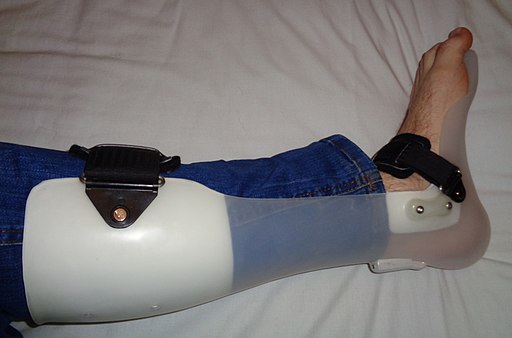
Foot drop can result from:

  1. L5 radiculopathies
  2. Lumbar plexopathies
  3. Lesions of the lumbosacral trunk of the lumbosacral plexus
  4. Sciatic neuropathies
  5. Common peroneal neuropathies
foot drop
L5 radiculopathyLumbar plexopathySciatic neuropathyPeroneal neuropathy
CausesDisc herniation, Spinal canal stenosisPelvic surgery, hematoma, prolonged laborHip surgery, Injection injuryCompression/trauma
MotorWeakness includes muscles and hip abductorsWeakness includes hip abductors and anal sphincterWeakness includes tibial and hamstring musclesWeakness restricted to peroneal muscles
Ankle inversionWeakWeakNormal or weakNormal
Plantar flexionNormalNormalNormal or weakNormal
Toe flexionWeakWeakNormal or weakNormal
Ankle jerkNormal (Weak with S1 involvement)Normal (Weak with S1 involvement)Normal or depressedNormal
Sensory lossPoorly demarcated, predominantly big toeL5 dermatomeLower 2/3 of lateral leg and dorsum of footLower 2/3 of lateral leg and dorsum of foot
PainCommon, radicularCommon, may be radicularCan be severeRare
  • Facebook
  • Twitter
PGMEE, MRCS, USMLE, MBBS, MD/MS Internal medicineNervous systemOrthopedics

Post navigation

Previous post
Next post

Related Posts

PGMEE, MRCS, USMLE, MBBS, MD/MS

Paranasal sinus drainage in Nasal cavity : Mnemonic

Aug 4, 2023Aug 4, 2023

Lateral wall of nasal cavity has: Mnemonic: SPIN 1. Superior meatus: Posterior ethmoidal sinus 2. Inferior meatus: Nasolacrimal duct The sphenoidal sinus drains into spheno-ethmoidal recess (superior to superior concha). All others drain into middle meatus: Mnemonic: AM/FM

Read More
PGMEE, MRCS, USMLE, MBBS, MD/MS rickettsia

Rickettsial Diseases Made Easy

Apr 3, 2017May 28, 2019

Important features of Rickettsia and Rickettsial Diseases Obligate intracellular parasites like Chlamydia – can survive only in host cells Cannot produce their own ATP, so they utilize the ATP of a host cell Gram negative coccobacillia, and short bacilli that grow strictly in eukaryotic cells (unable to grow in cell…

Read More
PGMEE, MRCS, USMLE, MBBS, MD/MS pons cross-section

How to Draw Pons Cross-section ?

Jul 19, 2016Sep 1, 2020

Pons in latin, refers to a “bridge”. Pons varolli is a part of brain-stem, that links thalamus with medulla oblongata. The cross-section of pons is similar to the midbrain as described earlier but few things must be kept in mind: The orientation of lemnisci in midbrain is more or less…

Read More

Leave a Reply Cancel reply

Your email address will not be published. Required fields are marked *

This site uses Akismet to reduce spam. Learn how your comment data is processed.

Pre-clinical (Basic Sciences)

Anatomy

Biochemistry

Community medicine (PSM)

Embryology

Microbiology

Pathology

Pharmacology

Physiology

Clinical Sciences

Anesthesia

Dermatology

Emergency medicine

Forensic

Internal medicine

Gynecology & Obstetrics

Oncology

Ophthalmology

Orthopedics

Otorhinolaryngology (ENT)

Pediatrics

Psychiatry

Radiology

Surgery

RSS Ask Epomedicine

  • What to study for Clinical examination in Orthopedics?
  • What is the mechanism of AVNRT?

Epomedicine weekly

  • About Epomedicine
  • Contact Us
  • Author Guidelines
  • Submit Article
  • Editorial Board
  • USMLE
  • MRCS
  • Thesis
©2026 Epomedicine | WordPress Theme by SuperbThemes