Skip to content
Epomedicine

Mnemonics, Simplified Concepts & Thoughts

Epomedicine

Mnemonics, Simplified Concepts & Thoughts

Fabry Disease : Mnemonic

Epomedicine, Nov 1, 2024Nov 1, 2024

Mnemonic: FABRY CX

1. Febrile episodes, Foam cells

2. Angiokeratomas, Alpha galactosidase A deficiency

3. Burning pains in hands and feet

4. Renal failure

5. Youth death

6. Cardiovascular disease, Ceramide trihexoside accumulation

7. X-linked recessive inheritance
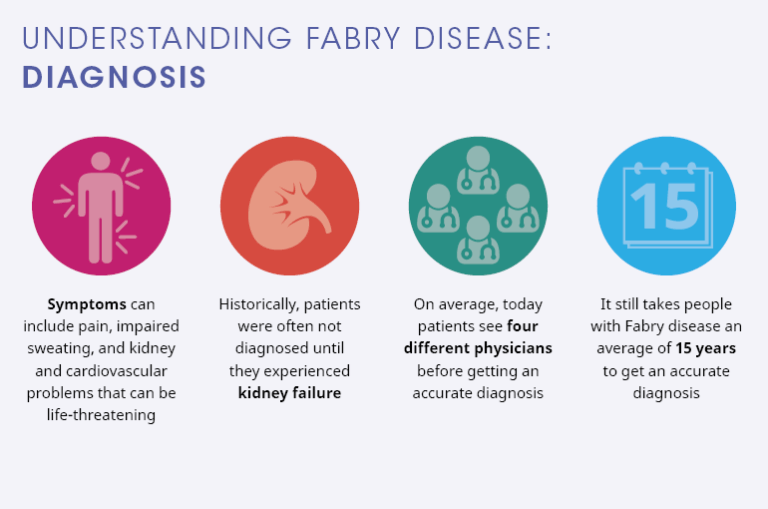
fabry disease

Further reading:

Lysosomal Storage Disorders Made Easy
  • Facebook
  • Twitter
PGMEE, MRCS, USMLE, MBBS, MD/MS BiochemistryGenetics

Post navigation

Previous post
Next post

Related Posts

PGMEE, MRCS, USMLE, MBBS, MD/MS red eye

Acute Red Eye : Simplified Approach

Aug 10, 2015Aug 18, 2015

Red eye reflects hyperemia or engorgement of superficial visible conjunctival, episcleral or ciliary vessels. A) DIFFERENTIAL DIAGNOSES FOR ACUTE RED EYE 1. Painless red eye: a) Diffuse redness: Lids normal: Conjunctivitis Lids abnormal: Blepharitis Ectropion Trichiasis Eyelid lesion b) Localized redness: Pterygium Corneal foreign body Ocular trauma Subconjunctival hemorrhage Episcleritis

Read More
PGMEE, MRCS, USMLE, MBBS, MD/MS gastric glands

Gastric glands and cells

Jul 15, 2018Jun 16, 2023

Anatomically, stomach can be divided into 3 parts from above to below: Gastric pits deepen as we move below from cardiac to pyloric glands. Mucus secreting cells: Present in all 3 glands – cardiac, fundic and pyloric but predominate in cardiac and pyloric glands. Pyloric glands have 1 more cell…

Read More
PGMEE, MRCS, USMLE, MBBS, MD/MS Mapleson breathing system

Mapleson Breathing Circuit Made Easy

Oct 17, 2016

Anatomy of Mapleson Breathing Circuit Basically, a mapleson breathing circuit consists of following parts: 1. Face mask (towards patient end) 2. Reservoir bag (towards operator end) Accommodates fresh gas flow during expiration acting as a reservoir available for the following inspiration. Acts as a monitor of patient’s ventilatory pattern during…

Read More

Leave a Reply Cancel reply

Your email address will not be published. Required fields are marked *

This site uses Akismet to reduce spam. Learn how your comment data is processed.

Pre-clinical (Basic Sciences)

Anatomy

Biochemistry

Community medicine (PSM)

Embryology

Microbiology

Pathology

Pharmacology

Physiology

Clinical Sciences

Anesthesia

Dermatology

Emergency medicine

Forensic

Internal medicine

Gynecology & Obstetrics

Oncology

Ophthalmology

Orthopedics

Otorhinolaryngology (ENT)

Pediatrics

Psychiatry

Radiology

Surgery

RSS Ask Epomedicine

  • What to study for Clinical examination in Orthopedics?
  • What is the mechanism of AVNRT?

Epomedicine weekly

  • About Epomedicine
  • Contact Us
  • Author Guidelines
  • Submit Article
  • Editorial Board
  • USMLE
  • MRCS
  • Thesis
©2026 Epomedicine | WordPress Theme by SuperbThemes