Skip to content
Epomedicine

Mnemonics, Simplified Concepts & Thoughts

Epomedicine

Mnemonics, Simplified Concepts & Thoughts

Applied anatomy of Anatomical Snuff Box

Epomedicine, Dec 17, 2013

Synonyms: Radial fossa, Foveola radialis

Note: Depression in the humerus which receives the head of radius is also named as Radial fossa

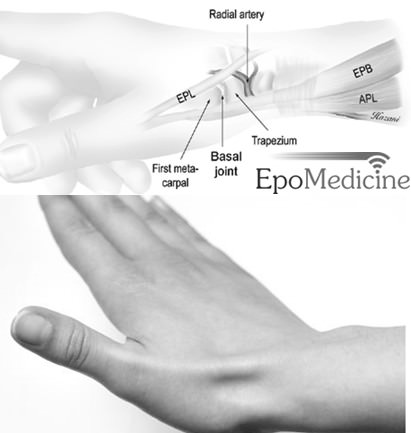
Definition: It is a triangular shaped depression in the radial or lateral aspect of the dorsum of the hand which is seen when the thumb is extended fully. This hollow was used to snuff powdered tobacco and hence named as Anatomical snuff box.

Boundaries and Borders:

  1. Medial border: Extensor Pollicis Longus (EPL)
  2. Lateral border: Extensor Pollicis Brevis (EPB) and Abductor Pollicis Longus (APL)
  3. Proximal border: Styloid process of radius
  4. Distal border: Base of 1st metacarpal
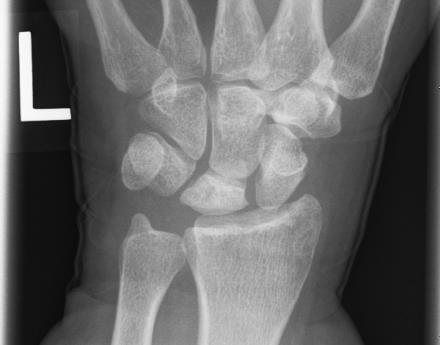
  5. Floor: Scaphoid and Trapezium bones
  6. Roof: Skin

Radial fossa

Contents:

  1. Radial artery
  2. Radial nerve: Dorsal cutaneous branch of radial nerve
  3. Cephalic vein

Note: Some books regard scaphoid and trapezium as contents of the snuff box.

Clinical Applications:

1. Differential diagnosis of Anatomical snuff box pain or tenderness:

  • DeQuervain’s tenosynovitis: Inflammation of the 1st extensor compartment of the wrist i.e. EPB and APL
  • Scaphoid fracture
  • Fracture of 1st metacarpal or distal radius
  • Scapholunate dislocation
  • Extensor carpi radialis or Flexor carpi radialis strain
  • Arthritis of Carpo-metacarpal or Radio-carpal joint
  • Cheiralgia paresthetica (handcuff neuropathy): compression or trauma of superficial branch of radial nerve
  • C6 cervical radiculopathy

2. Finkelstein’s maneuver (for DeQuervain’s tenosynovitis): Making a fist over thumb and ulnar deviation of wrist stretches the tendons of 1st extensor compartment causing significant pain.
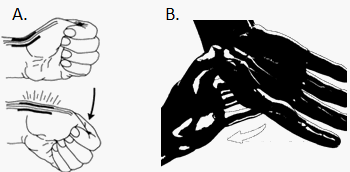
Scaphoid tests
A. Finkelstein test
B. Scaphoid shift or Watson test

3. Signs of Scaphoid fracture:

  • Anatomical snuff box tenderness on palpation
  • Scaphoid tubercle tenderness (Location: extensor carpi radialis at palmar crease)
  • Scaphoid compression test (thumb is compressed against scaphoid)

4. Scaphoid shift or Watson test (Press scaphoid tubercle with thumb while moving wrist from ulnar to radial deviation): Pain or clunk suggests scapho-lunate instability

5. Why scaphoid is vulnerable to avascular necrosis?

  • 80% scaphoid surface is cartilage, leaving a small area for arterial blood supply to enter the bone.
  • Major blood supply is from dorsal carpal branch of radial artery which runs distal to proximal.
  • Facebook
  • Twitter
PGMEE, MRCS, USMLE, MBBS, MD/MS AnatomyMusculoskeletal systemOrthopedics

Post navigation

Previous post
Next post

Related Posts

PGMEE, MRCS, USMLE, MBBS, MD/MS

PQLI vs HDI : Mnemonic

Aug 24, 2024Aug 24, 2024

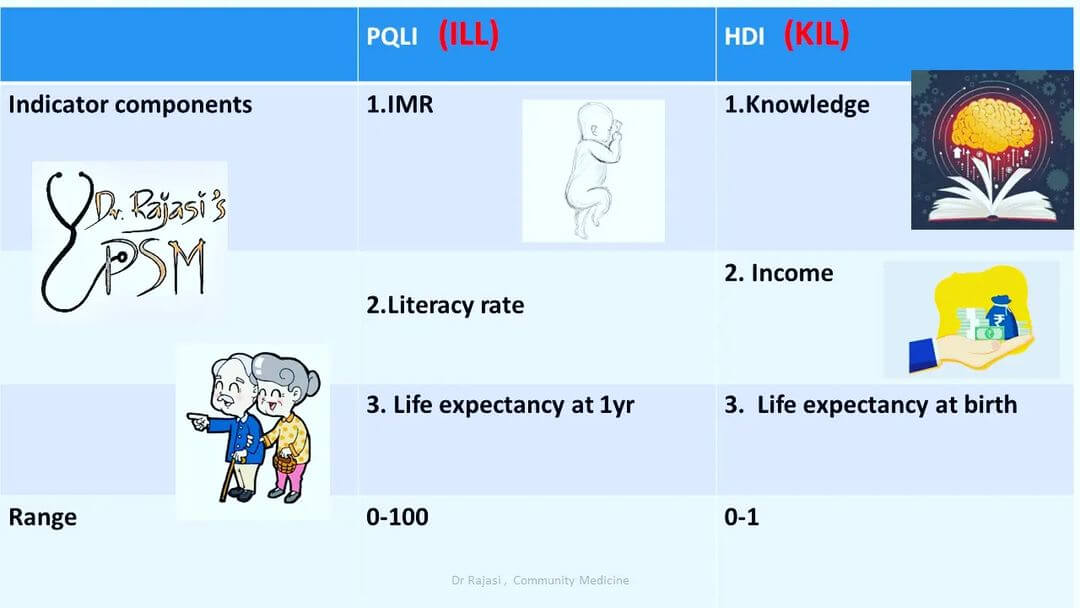
PQLI and HDI are similar, the main difference between the two being the inclusion of income in HDI & exclusion of same from PQLI. HDI represents both physical and financial attributes of development and PQLI has only physical aspects of life. PQLI HDI Full form Physical Quality of Life Index…

Read More
PGMEE, MRCS, USMLE, MBBS, MD/MS

Crowe Classification in Adult Hip Dysplasia

Jun 4, 2025Jun 4, 2025

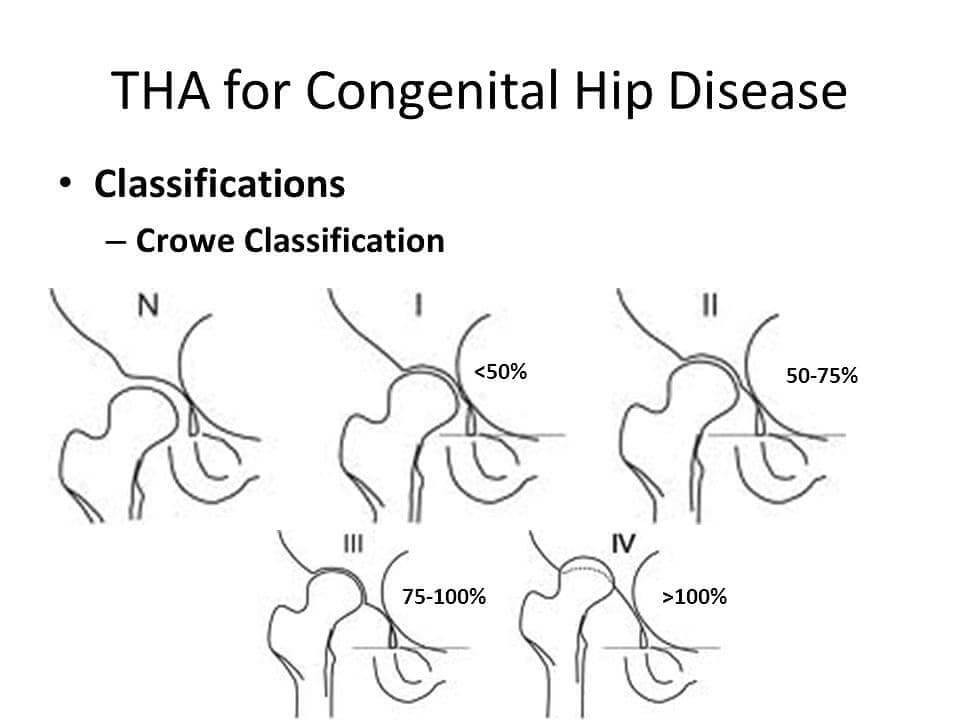
Crowe Classification Class I: <50% subluxation or proximal displacement <10% of pelvic height Class II: 50-75% subluxation or proximal displacement 10-15% of pelvic height Class III: 75-100% subluxation or proximal displacement 15-20% of pelvic height Class IV: >100% subluxation or proximal displacement >10% of pelvic height and deficient true acetabulum…

Read More
PGMEE, MRCS, USMLE, MBBS, MD/MS

Kienbock’s Disease : Mnemonic Approach

Jul 18, 2024Jul 18, 2024

Etiology Mnemonic: RSTUV Lichtman Classification and Management Stage Description Treatment Mnemonic: ABCD Mnemonic: ABCD I Abnormal MRI (decreased T1 intensity; variable T2 intensity) or scintigraphy Analgesics + immobilization II Bone sclerosis ± Bone breaks (fracture lines) Bony procedures:1. Negative or Neutral ulnar variance: Joint levelling procedure (Radius shortening osteotomy; Ulnar…

Read More

Leave a Reply Cancel reply

Your email address will not be published. Required fields are marked *

This site uses Akismet to reduce spam. Learn how your comment data is processed.

Pre-clinical (Basic Sciences)

Anatomy

Biochemistry

Community medicine (PSM)

Embryology

Microbiology

Pathology

Pharmacology

Physiology

Clinical Sciences

Anesthesia

Dermatology

Emergency medicine

Forensic

Internal medicine

Gynecology & Obstetrics

Oncology

Ophthalmology

Orthopedics

Otorhinolaryngology (ENT)

Pediatrics

Psychiatry

Radiology

Surgery

RSS Ask Epomedicine

  • What to study for Clinical examination in Orthopedics?
  • What is the mechanism of AVNRT?

Epomedicine weekly

  • About Epomedicine
  • Contact Us
  • Author Guidelines
  • Submit Article
  • Editorial Board
  • USMLE
  • MRCS
  • Thesis
©2026 Epomedicine | WordPress Theme by SuperbThemes