Glycemic control
HbA1c 3 monthly or Bianually (if treatment goal acheived and glycemic control considered stable) – Target:
- Non-pregnant adult patients: <7%
- Minor cardiovascular disease, minor hypoglycemic episodes, short diagnosis time with diabetes, and long life expectancy: <6.5%
- Significant co-morbidities, progressive micro- and macrovascular complications, or short life expectancy: <8%
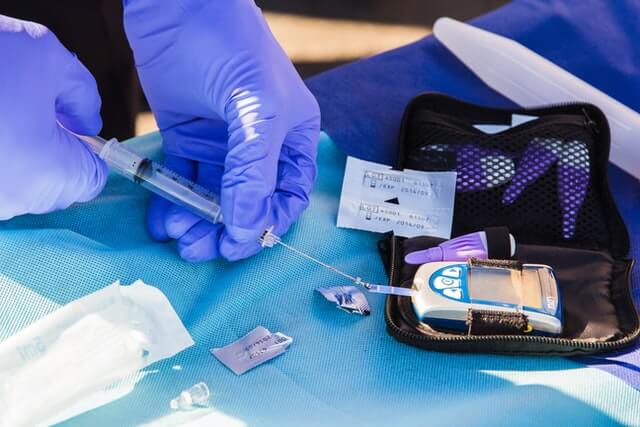
Self-monitoring of blood glucose – Target:
- Pre-prandial: 80-130 mg/dl
- Post-prandial: <180 mg/dl
Lipids
Annual or 2 yearly (if targets achieved) assessment of fasting lipid profiles with target:
- Triglyceride: <150 mg/dl
- HDL-c: >40 mg/dl (men) and >50 mg/dl (women)
- LDL-c: <100 mg/dl; <70 mg/dl (overt cardiovascular disease)
Statin therapy regardless of baseline lipid profile:
- Diabetes and overt CVD
- >40 years age without CVD but with atleast 1 risk factor for CVD (family history of CVD, smoking, albuminuria, hypertension, or dyslipidemia)
Urine microalbuminuria
Annual screening (albumin to creatinine ratio) for:
- Type 1 Diabetes diagnosed ≥ 5 years
- Type 2 Diabetes at the time of diagnosis
Albuminuria >30 mg/day: ACE Imhibitor or ARB recommended for Non-pregnant patients
Persistent microalbuminuria (30-300 mg/day) suggests:
- Type I DM: Pre-stages of nephropathy
- Type II DM: Nephropathy
Cigarettes
Advised to stop smoking or use of any tobacco products, and also to minimize second-hand smoke exposure.
Ophthalmology (Screening for eye disease and retinopathy)
- Type I DM: Within 5 years of diagnosis
- Type II DM: At the time of diagnosis
No evidence of retinopathy in 1 or more annual exam: Consider 2 yearly examination
Any evidence of retinopathy present: Atleast annualy
Retinopathy progressive or sight threatening: More frequently
Pregnant women with pre-existing diabetes:
- 1st examination: Prior to pregnancy and During 1st trimester
- Subsequent examination: Each trimester and upto 1 year postpartum as indicated by degree of retinopathy
Sexual dysfunction
HbA1c target <7% before becoming pregnant
Extremities
Annual comprehensive foot exam following 1st examination:
- Type I DM: At 5 years of diagnosis
- Type II DM: At the time of diagnosis
Examine:
- Inspection of the skin to assess its integrity.
- Examination for erythema, deformities, tissue damage, or callus formation.
- Assessment of gait and joint mobility.
- Assessment of pedial and popliteal pulses.
- Assessment for loss of protective sensation with a 10-g monofilament in addition to testing for 1 of the following: vibration perception threshold; sensation to pinprick; vibration (using a 128-Hz tuning fork); or ankle reflexes.
Screen for Peripheral arterial disease (PAD) if:
- Diabetes with >50 years age
- <50 years age with other risk factors for PAD (hypertension, hyperlipidemia, smoking, or diabetes for >10 years)
PAD screening:
- History of claudication
- Pedial pulse assessment
- Ankle-brachial index
Blood pressure
Target: <140/90 mmHg
Aspirin
75-162 mg/day (or Clopidegrol 75 mg/day) if: Women >60 years and Men >50 years with additional risk factors:
- Family history of CVD
- Albuminuria
- Smoking
- Dyslipidemia
- Hypertension
Dental checks
Biannual dental examination
Summarised from:
A Practitioner’s Simple Mnemonic for Managing Diabetes: “GLUCOSE BAD” – Jennifer Grace Ziliotto McCrudden, FNP-C, CDE, Beatrice Janulyte Hull, MD