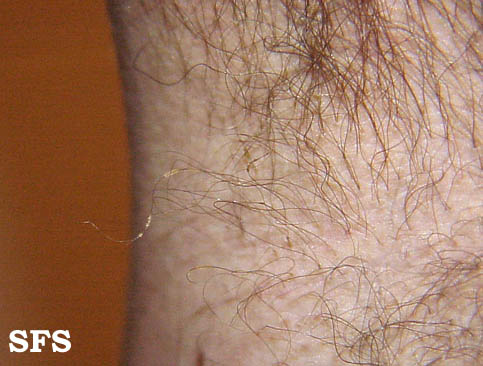
Synonym: Trichobateriosis axillaris, Bacterial trichonodosis, Trychomycosis palmellina Definition: Asymptomatic superficial bacterial infection (mycosis is a misnomer because it is not a fungal infection) primarily of the axillary hairs (can also occur in pubic, perianal and scalp hair) caused by Corynebacterium sp. Causative organism: Corynebacterium species particularly Corynebacterium flavescens Mode of infection: Bacteria…
Category: PGMEE, MRCS, USMLE, MBBS, MD/MS
Medical knowledge in bullet points with understandable language, simplified images and graspable mnemonics.
PGMEE, MRCS, USMLE, MBBS, MD/MS
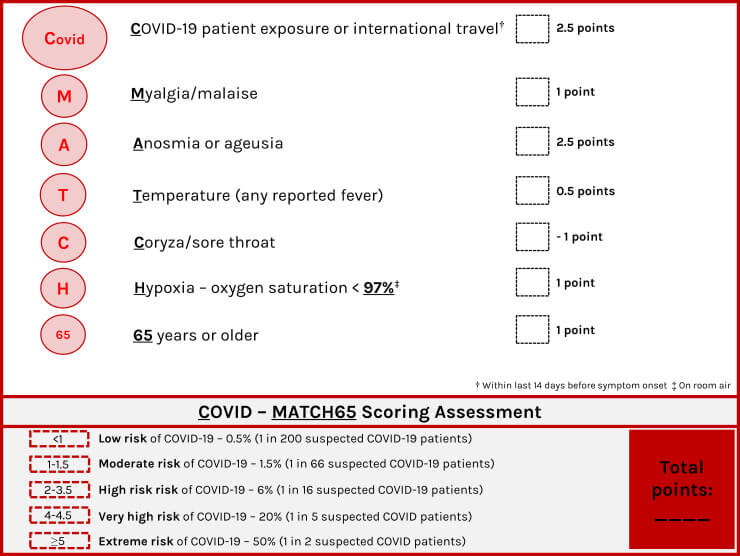
Mnemonic based Clinical Diagnosis of Covid-19
Mnemonic: Covid-MATCH65 Covid-19 patient exposure or international travel: 2.5 points Myalgia/Malaise: 1 point Anosmia or Aguesia: 2.5 points Temperature (any reported fever): 0.5 point Coryza/sore throat: -1 point Hypoxia – oxygen saturation <97%: 1 point 65 years or older: 1 point Scoring assessment: <1 = Low risk (0.5%) 1-1.5 =…
PGMEE, MRCS, USMLE, MBBS, MD/MS
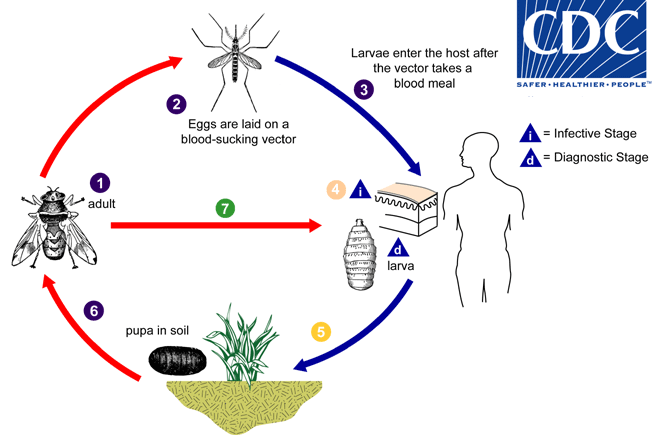
Wound Myiasis (Maggot Infestation)
Myiasis is defined as the infestation of live vertebrates (humans and/or animals) with dipterous larvae. The order Diptera is a large order of insects that are commonly known as true flies. Myiasis may be classified clinically into: Wound myiasis occurs when fly larvae infest open wounds of a mammalian host….
PGMEE, MRCS, USMLE, MBBS, MD/MS
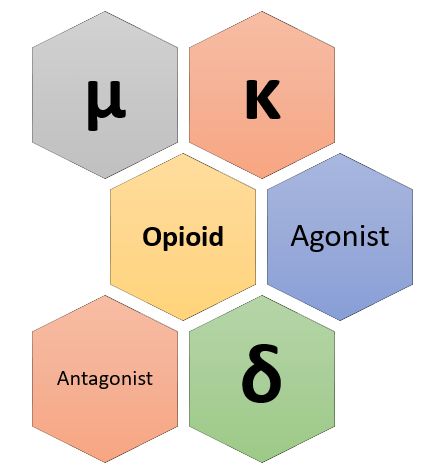
Opioid Adverse Effects – Mnemonic
Mnemonic: MORPHINES 1. Miosis Mechanism: Stimulation of Edinger-Westphal nucleus of Cranial nerve III 2. Orthostatic hypotension Mechanism: Vasodilation due to – Direct action decreasing tone of blood vessels Histamine release Depression of vasomotor center 3. Respiratory depression Mechanism: Inhibits respiratory center in a dose-dependent manner (neurogenic, hypercapneic and hypoxic drives…
PGMEE, MRCS, USMLE, MBBS, MD/MS
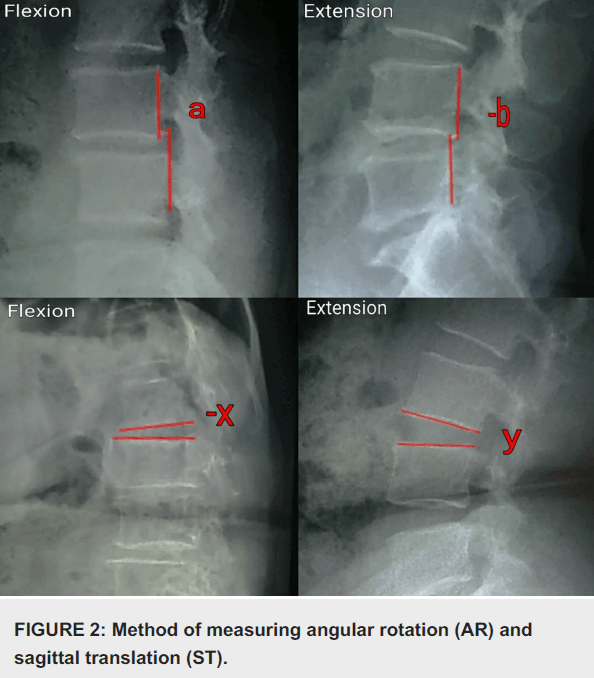
Diagnosis of Spinal Instability (White & Panjabi) : Mnemonic
Mnemonic: Remember 4 D common to all + 3 D for C-spine and 1 D for L-spine Diagnosis requires: Score >4 Denis column disruption: Anterior column destroyed or unable to function (2 points) Posterior column destroyed or unable to function (2 points) Deformity: Will have a maximum score of 4…
PGMEE, MRCS, USMLE, MBBS, MD/MS
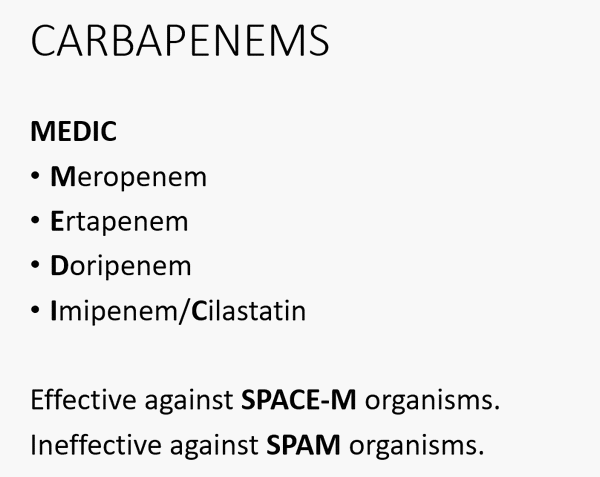
Pharmacology of Carbapenems : Mnemonics
Commonly used Carbapenems Mnemonic: MEDIC Meropenem Ertapenem Doripenem Imipenem/Cilastatin (renal dehydropeptidase I inhibitor) Besides these, there are other drugs like tebipenem (1st oral carbapenem), panipenem, tomopenem (has MRSA activity), etc. which fall under carbapenems. Coverage As the name suggests, they have carbapenems attached to beta-lactam ring which provides protection against…
PGMEE, MRCS, USMLE, MBBS, MD/MS
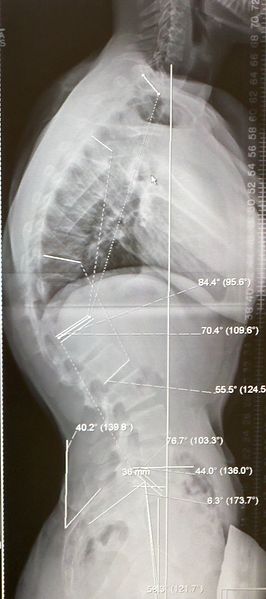
Scheurmann’s Disease : Mnemonic
Mnemonic: Remember “S” for Scheurmann Structural kyphosis (sagittal deformity) of thoracic or thoracolumbar spine Skeletally immature sons (0.4-10% of adolescents between 10-14 years; onset with prepubertal growth spurt; M:F = 2-7:1) Strong hereditary (genetic) predisposition and Several theories: Scheurmann’s vertebral epiphyseal disturbance theory Schmorl’s nodes (herniation of disc material into…
PGMEE, MRCS, USMLE, MBBS, MD/MS

FDA Pregnancy Drug Risk Categories : Mnemonic
We have simplified the information above as following: Category A: Adequate Anthropoid (Human) studies and Absolutely safe (No risk in controlled human studies) Category B: Bounded (limited) human studies and safe in Beast (animal) studies; Better to use (No risk in other studies) Category C: Catastrophic effects in animals and…