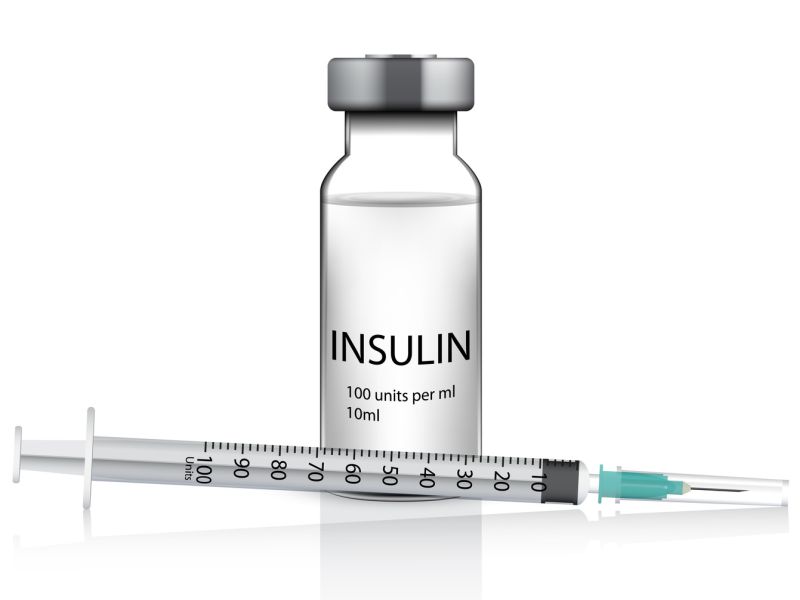
When insulin is part of your diabetes management plan. Storing it in a pen, cartridge or vial becomes important. To retain its strength, insulin must be kept in a specified temperature range.
Temperatures under 35 degrees or over 80 degrees Fahrenheit (F) can make the hormone lose its strength and become less powerful at managing blood sugar levels. In this article, we’ll take you through why you need an insulin cooler to store your medication well, while you travel or for any other reason.
Must insulin be stored in a refrigerator?
Whenever you pick up your insulin from your drug store, you may have seen that it’s labeled for refrigeration. In reality, you need to keep vials, cartridges, and pens that are unopened in the fridge. However, make sure the temperature you set is not too cold.
To ensure this does not happen, you can use an appliance thermometer to measure the temperature range. Several people with diabetes mention that injecting cold insulin stings. To prevent this, you need to maintain the cartridge, vial, or pen at room temperature. Keep it at room temperature for up to 30 days so that its potency is not affected. Before you inject from a device or draw up the dose, make sure you always assess the
insulin fluid. Except for NPH, almost all insulin must look clear as crystal within the vial, pen, or cartridge.
NPH on the other hand looks cloudy naturally. Particularly after you roll it around your hand before you use it. This is something you should do anyway regardless of the type of insulin you use before injecting it.
If for whatever reason the insulin fluid looks crystalline or clumpy, you need to throw it
away or take it back to the drug store and get a replacement if it’s still sealed.
Insulin coolers
Most people with diabetes use mobile insulin coolers while traveling. This is because they are not sure if their insulin will stay at the right temperature while walking through the mall, airport, or driving around in their car.
But if you are at the office or home you can also buy a tiny electric cooler to keep your insulin in a convenient place. Miniature refrigerators (electric coolers) are especially useful if you share your fridge with roommates (who may change the temperature without you knowing). Or if you plan to stay in temporary housing or a hotel for a longer period.
Insulin coolers for travel usually protect the insulin against drastic cold and heat. Making them ideal when you are going to travel to hot or super cold climates. A few of these coolers need the activation of cooling properties by turning the refrigerator on in advance or by running cold water on top of it. Others have small cold packs that you
need to cool before using. Regardless of where life wants to take you. You’re able to travel with confidence