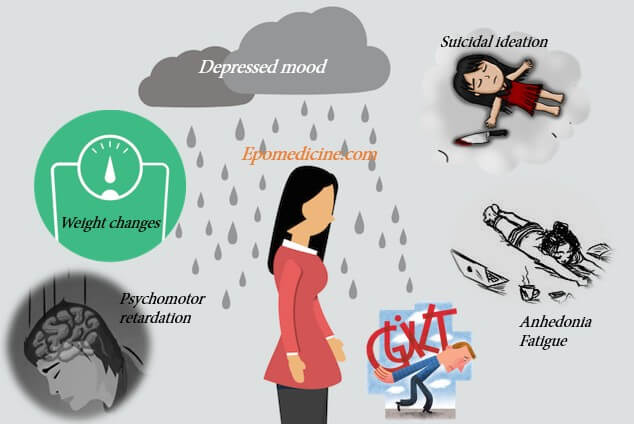
The diagnosis of mental health illnesses, such as anxiety and depression, can be challenging for healthcare professionals. Although the DSM-5 has specific criteria for making these diagnoses, no two cases are the same and each patient will present with a unique set of symptoms.
The variable nature of mental illness can also make finding suitable treatments difficult. What works for one patient might not be optimal for another, and there’s also the added complication of comorbidities.
Comorbid anxiety and depression is often less responsive to traditional pharmacologic treatment than each condition in isolation. However, there are many new treatments and therapies that are proving effective in the treatment of anxiety and depression in combination.
If you’re unsure whether or not you are suffering from either of these mental health conditions, take an anxiety and depression quiz and seek the opinion of a medical professional, such as a psychiatrist, general practitioner, psychologist, or social worker.
When you enter into treatment, you may be presented with several options. Here are some of the best treatments for the management of anxiety and depression that are worth trying out. Many of these treatments work best when used in combination to tackle all aspects of your condition(s).
Exercise
Regular movement can be incredibly effective as part of a treatment program for anxiety and depression. Even taking a short walk for around 30 minutes a day can help to boost your mood and calm your mind.
Lack of endorphins, such as serotonin and dopamine, in the brain is closely linked to poor mental health. Exercise can increase the production of these ‘happy hormones’, and is a great way to naturally make you feel happier.
Medications
There are a number of medications that are often prescribed for generalized anxiety disorder and/or depression. Many of these medications can improve symptoms in both disorders, and can be used in the short or long-term.
Antidepressants, such as selective serotonin reuptake inhibitors (SSRIs), are widely used for treatment of anxiety and depression. Examples include citalopram (Celexa), sertraline (Zoloft), fluoxetine (Prozac). Serotonin and norepinephrine reuptake inhibitors (SNRIs), such as venlafaxine (Effexor) and duloxetine (Cymbalta) can also be used.
Beta blockers like propranolol may help to relieve symptoms of anxiety alongside SSRIs or SNRIs by binding to receptors in the heart and blocking the action of adrenaline. This can slow down the heart rate and prevent the panic that is often associated with anxiety attacks.
There are risks associated with abruptly stopping or changing your antidepressants or anti-anxiety medications, so it’s extremely important that you keep your doctor informed of the medications you are taking.
Therapy
Psychotherapy can be extremely effective in identifying and targeting the root cause of your anxiety and depression.
There are different forms of psychotherapy, with one of the most popular forms being cognitive behavioral therapy (CBT). This involves looking at how your thoughts and feelings lead to specific actions that contribute to your mental health conditions. From here, you can work to change your thoughts and, therefore, change your behaviors.
Therapy can also teach you key relaxation techniques to lessen your symptoms and help you to manage your anxiety and/or depression.
Article by Marina