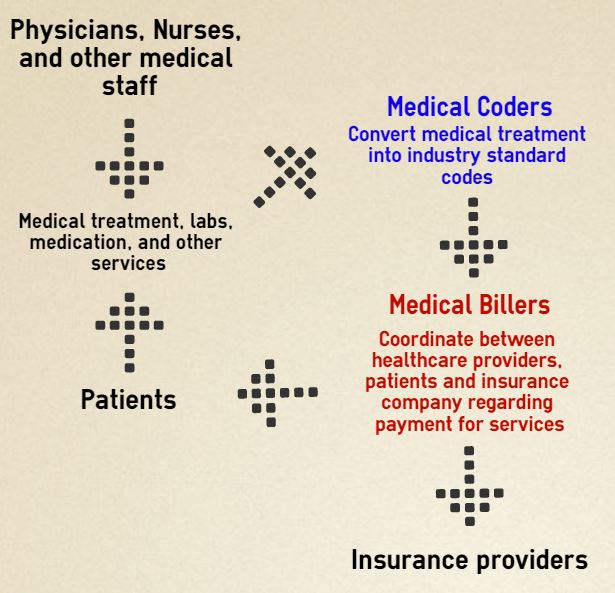
Dermatology billing affects clinical notes, claim edits, patient balances, and cash flow. Even a minor documentation gap can affect reimbursement for biopsies, excisions, pathology reviews, and light-based treatments. A dependable partner should understand payer behavior, skin procedure coding, and front-desk workflows. Before signing, practices need a practical review process that measures accuracy, communication, reporting, security, and financial results across everyday dermatology operations.
1. Dermatology Experience
A qualified dermatology billing company should recognize how dermatology revenue differs from general medical billing. Biopsies, excisions, lesion destruction, phototherapy, pathology coordination, and modifier selection each affect payment. The team also has to separate medically necessary care from cosmetic services because coverage rules shift by payer and documentation.
2. Coding Accuracy
Coding deserves close review before any agreement begins. Ask how claims are checked for procedure codes, diagnosis links, modifiers, laterality, and medical necessity. Dermatology claims may fail because one lesion count, site detail, or pathology reference is missing. A serious vendor should explain audit routines, coder credentials, training cadence, and escalation steps for chart questions.
3. Denial Management
Denials reveal whether billing operations are being managed with discipline. A capable team tracks payer reasons, provider patterns, procedure trends, and location-level issues. That information helps administrators fix problems before revenue falls through the cracks. Ask for reports that show appeal outcomes, recovery amounts, and repeat-denial categories. Good follow-up corrects the cause, not just the rejected claim.
4. Clear Reporting
Reports should help leaders make decisions, not decode spreadsheets. Useful insights include charges, payments, adjustments, aging, denial trends, collection rates, and patient balances.
Insurance revenue should be separated from self-pay activity. Strong reporting connects numbers to next steps, such as correcting registration errors, improving chart detail, or addressing payer rules that affect dermatology services.
5. Technology Fit
The billing partner should work cleanly with the practice management platform, electronic health record, payment system, and clearinghouse. Poor alignment can create duplicate entries, missing attachments, and delayed claim status updates. Ask about integration steps, access permissions, file transfers, and staff training. The goal is less manual work, clearer data, and fewer preventable claim delays.
Security Checks
Billing teams handle protected health information daily. Confirm privacy training, role-based access, password controls, audit trails, and breach response procedures. Written policies should match legal duties.
6. Communication Style
Communication should be steady, documented, and easy to act on. Practices need named contacts, meeting schedules, response targets, and escalation paths. Billing issues often affect patient conversations. Silence can create friction at the front desk. The right partner explains problems in plain language, shares practical fixes, and keeps providers informed without burying key points inside dense reports.
Staff Support
Training should continue after onboarding. Billing partners can help staff improve eligibility checks, referrals, authorizations, demographic accuracy, and collection habits. Better intake work prevents back-end losses.
7. Pricing and Terms
Pricing should be clear enough for fair comparison. Review percentage fees, flat charges, setup costs, software expenses, statement fees, and termination language. Very low pricing may signal limited follow-up, weak reporting, or inexperienced staffing. Higher fees require proof through results, specialized knowledge, and depth of service. Contracts should define responsibilities, timelines, data ownership, and exit procedures.
Final Review
Before choosing a vendor, practices should request references, sample reports, workflow summaries, and performance benchmarks. A review of recent claims can expose coding habits, missed modifiers, denial risks, and collection delays. Decision-makers should include billing staff, providers, and administrators, since each group sees different pressure points. The strongest choice clearly explains its process, demonstrates dermatology expertise, and supports measurable financial improvement.
Conclusion
Choosing a billing partner should be a careful operational decision, not a rushed purchase. Dermatology practices need accurate coding, consistent denial work, readable reports, secure systems, and reliable communication. Pricing matters, but service quality usually determines the return. By carefully comparing these seven factors, practices can protect revenue, reduce administrative strain, and give staff more time for patients and clinical support.