Neck pain is common after a traffic collision. In many cases, it comes from muscle strain, ligament irritation, or other soft-tissue trauma. Some crashes, however, cause fractures, disc injuries, nerve compression, spinal instability, or damage to the spinal cord.
Serious cervical spine injuries do not always look dramatic at first. A person may be able to speak, walk, and move immediately after the crash, then later develop increasing pain, numbness, weakness, poor coordination, or balance problems. Spinal cord symptoms may appear immediately or develop as swelling, bleeding, and other secondary damage progress.
Recognizing warning signs does not mean trying to diagnose the injury without medical testing. It means knowing when symptoms require urgent evaluation instead of waiting for them to resolve on their own.
How Can a Traffic Collision Injure the Cervical Spine?
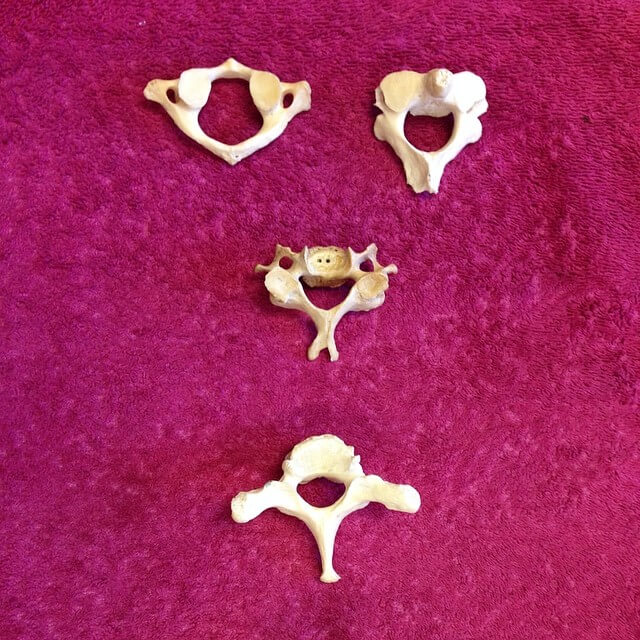
The cervical spine includes the seven vertebrae in the neck, along with discs, ligaments, joints, muscles, nerve roots, and the upper portion of the spinal cord.
During a rear-end, side-impact, rollover, motorcycle, bicycle, or pedestrian collision, the neck may be forced into rapid flexion, extension, rotation, or compression. Several movements can happen within a fraction of a second.
Possible injuries include muscle and ligament strains, vertebral fractures, joint injuries, disc herniation, nerve root compression, spinal instability, and spinal cord damage. The exact injury depends on the direction and force of the impact, the person’s body position, age, health history, and other factors.
A spinal cord injury can interrupt communication between the brain and the body. Most spinal cord injuries do not cut through the cord. Damage may occur when fractured or displaced vertebrae, swelling, or surrounding tissues press on or injure the cord.
What Is the Difference Between Neck Pain and a Neurological Symptom?
Pain matters, but it is not the only symptom clinicians consider after cervical trauma.
A muscular neck injury may cause soreness, stiffness, reduced movement, or pain that increases with certain positions. Neurological symptoms may suggest that a nerve root, the spinal cord, or another part of the nervous system is involved.
These symptoms can include numbness, tingling, burning sensations, weakness, reduced grip strength, poor balance, or difficulty controlling movements. The pattern of symptoms may help a clinician decide which structures require further evaluation, but symptoms alone cannot confirm a diagnosis.
Pain that travels from the neck into one arm may be associated with irritation or compression of a cervical nerve root. Symptoms affecting both hands, both legs, coordination, walking, breathing, or bladder and bowel function may raise greater concern about spinal cord involvement.
Which Symptoms Are Neurological Red Flags?
Certain symptoms after traffic trauma require prompt medical attention because they may indicate damage to the spinal cord, nerve roots, or surrounding structures.
Warning signs include:
- New weakness in an arm, hand, leg, or foot
- Numbness, tingling, or loss of sensation spreading into the limbs
- Difficulty standing, walking, or maintaining balance
- Loss of hand coordination or fine motor control
- Severe pain or pressure in the neck or back
- Loss of bladder or bowel control
- An unusual position of the head or neck
- Difficulty breathing after neck or upper-back trauma
The National Institute of Neurological Disorders and Stroke identifies weakness, sensory changes, walking difficulty, breathing problems, bladder or bowel changes, and pain or pressure in the neck or back as possible spinal cord injury symptoms.
These signs do not prove that a spinal cord injury has occurred. They do mean the person should not rely on self-diagnosis or assume the symptoms are routine soreness.
Can Neurological Symptoms Develop Later?
Yes. Some spinal injuries cause immediate symptoms, while others become more noticeable over time.
Swelling, bleeding, inflammation, disc movement, or increasing pressure around the spinal cord and nerves may cause symptoms to appear or worsen after the initial trauma. Paralysis and other neurological losses may occur at the time of injury or develop as secondary damage progresses.
A person who initially reports only neck pain may later notice hand numbness, arm weakness, leg heaviness, poor balance, or trouble completing familiar tasks. New symptoms should be reported clearly, including when they began and whether they are worsening.
A delayed symptom does not automatically prove that a severe injury occurred. However, the delay is not a reason to ignore a new neurological change.
Why Does the Level of a Spinal Cord Injury Matter?
The spinal cord carries signals between the brain and the rest of the body. An injury higher in the spinal cord can affect more areas because more nerve pathways travel through that level.
An injury in the cervical region may affect the arms, hands, trunk, legs, breathing, and other functions. Injuries lower in the spine may mainly affect the legs and lower body.
Clinicians classify spinal cord injuries as complete or incomplete based on whether sensory or motor function remains below the injury, including function in the lowest sacral segments. An incomplete injury preserves some function below the level of injury, although the amount and type of function can vary widely.
These terms describe neurological function. They should not be confused with whether a fracture looks severe on an image or whether a person can move immediately after the collision.
What Is Central Cord Syndrome?
Central cord syndrome is a form of incomplete spinal cord injury that often affects the arms and hands more than the legs. Symptoms may include reduced hand strength, loss of fine motor control, sensory changes, bladder problems, and burning or tingling pain.
It is often associated with trauma to the cervical spine, including damage to the vertebrae or herniation of discs around the spinal cord. It can also occur after neck hyperextension in older adults who already have narrowing of the spinal canal. Higher-energy trauma may cause it in younger patients as well.
Because leg function may remain stronger than hand or arm function, some patients can still stand or walk. That can make the injury less obvious to someone without neurological training.
Difficulty buttoning clothing, holding objects, writing, typing, or controlling the fingers after neck trauma should be described to the treating provider.
Should a Person Move After a Possible Spinal Injury?
A suspected spinal cord injury is a medical emergency. Unnecessary movement may create additional risk if the spine is unstable.
A person with severe neck pain, weakness, numbness, paralysis, an unusual neck position, breathing difficulty, or other major neurological symptoms should receive emergency assistance. They should not repeatedly test the neck or force it through a range of motion to determine whether it is injured.
Emergency personnel are trained to assess the situation, protect the airway, support the spine when appropriate, and determine how the patient should be transported. Immediate medical treatment may reduce long-term effects and allows clinicians to begin the necessary examination and testing.
How Do Clinicians Evaluate Cervical Spine Trauma?
The evaluation begins with the circumstances of the injury and the patient’s symptoms.
Clinicians may ask about the direction of impact, estimated speed, vehicle damage, seat-belt use, airbag deployment, head movement, loss of consciousness, and whether the patient struck part of the vehicle or the ground.
The examination may assess neck tenderness, strength, sensation, reflexes, balance, coordination, breathing, and bladder or bowel function. The clinician may also examine the shoulders, arms, hands, legs, and feet.
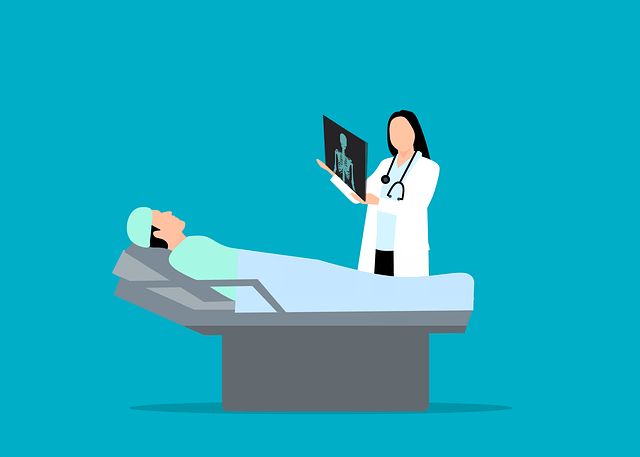
Not every patient requires the same imaging. Age, symptoms, examination findings, injury mechanism, and established clinical decision rules help determine the appropriate next step. The American College of Radiology publishes evidence-based criteria to guide imaging decisions across different trauma scenarios.
What Is the Difference Between CT and MRI?
Computed tomography and magnetic resonance imaging provide different types of information.
CT is commonly used during acute trauma evaluation when clinicians need to look for fractures or other bony injuries. For adults with acute cervical spine trauma who meet established imaging criteria, CT of the cervical spine without contrast is generally considered appropriate initial imaging.
MRI can provide more information about the spinal cord, discs, ligaments, nerve roots, bleeding, swelling, and tissues that may be compressing neurological structures. When a ligament, spinal cord, or nerve root injury is suspected, MRI without contrast may be an appropriate next study, including when CT findings do not fully explain the neurological symptoms.
One test is not automatically better in every case. The correct study depends on the clinical question, examination findings, and injury circumstances.
Patients should not assume that a normal X-ray or CT rules out every disc, ligament, nerve, or spinal cord injury. They also should not assume that MRI is always required. Imaging decisions should be made by the treating clinician and radiologist.
Why Do Prior Neck and Back Conditions Matter?
Many adults have age-related disc changes, arthritis, spinal narrowing, old injuries, or prior episodes of neck and back pain before a collision.
These conditions can make the evaluation more complex. Imaging may show changes that existed before the trauma, while the patient may report new symptoms or a clear worsening of earlier problems.
A complete history helps clinicians compare the patient’s condition before and after the collision. Useful details include what symptoms existed before the crash, how often they occurred, whether treatment was needed, what changed after the trauma, and whether pain, weakness, or sensory symptoms now affect different parts of the body.
A prior spinal condition does not make a new injury impossible. It may also affect how the spine responds to trauma and how the patient’s recovery is managed.
What Should Be Documented During Follow-Up Care?
The first medical record creates a baseline. Later records show how the injury develops and how the patient responds to treatment.
Follow-up notes are more useful when they describe specific changes instead of only stating that the patient feels “better” or “worse.” Important details may include the location of pain, numbness, weakness, grip problems, balance changes, sleep disruption, medication use, activity limits, and whether treatment provides relief.
Functional examples can make symptoms easier to understand. A patient might explain that they can no longer lift a familiar object, type for a full workday, turn their head while driving, stand for long periods, or walk without feeling unsteady.
Medical records may also include imaging findings, specialist referrals, work restrictions, physical therapy assessments, neurological examinations, injections, surgical recommendations, and rehabilitation progress.
Why Is Consistent Follow-Up Important?
Cervical spine injuries can change during recovery. Follow-up allows clinicians to determine whether symptoms are improving, remaining stable, or becoming more concerning.
A patient may begin with emergency care and later receive treatment from a primary provider, orthopaedic specialist, neurologist, neurosurgeon, physical therapist, occupational therapist, pain specialist, or rehabilitation physician.
Missed appointments can occur because of cost, transportation, work, family duties, or scheduling problems. When possible, the patient should contact the provider and reschedule rather than allowing treatment to stop without explanation.
Consistent care is not only about creating records. It gives clinicians opportunities to adjust treatment, investigate worsening symptoms, and provide guidance about work, driving, exercise, and other activities.
When Do Medical Records Become Relevant Outside the Clinic?
Medical care should focus first on diagnosis, safety, treatment, and recovery. Clinicians do not determine who was legally responsible for a traffic collision or what an insurance claim may be worth.
Medical records may later help explain when symptoms began, what the examination showed, what treatment was recommended, and how the injury affected work and daily activities.
A person in Washington dealing with permanent neurological loss, paralysis, extensive rehabilitation, or disputed insurance responsibility may seek legal guidance after a catastrophic spinal injury. Legal questions should remain separate from medical decision-making, which must be based on advice from qualified healthcare professionals.
What Documentation Problems Can Make the Medical History Unclear?
The medical history can become difficult to interpret when new symptoms are not reported, symptom locations change without explanation, or follow-up stops while major problems remain.
Other issues include minimizing weakness or numbness during an appointment, assuming a normal scan means no further care is needed, returning to strenuous activity without medical guidance, or failing to tell a new provider about earlier treatment.
Accurate documentation does not require the patient to use technical medical terms. Clear descriptions of what changed, when it changed, and what the person can no longer do are often more useful than attempting to name a diagnosis.
Conclusion
Most neck pain after a collision does not mean that a spinal cord injury has occurred. However, weakness, spreading numbness, balance problems, loss of coordination, breathing difficulty, or bladder and bowel changes should not be dismissed as ordinary soreness.
Cervical trauma can involve muscles, ligaments, discs, nerve roots, vertebrae, or the spinal cord. Symptoms may begin immediately or evolve as swelling and other secondary effects develop.
Prompt evaluation, accurate symptom reporting, appropriate imaging, and consistent follow-up help clinicians identify serious injuries and guide recovery. When neurological symptoms are severe, worsening, or newly developing, protecting the patient’s health must take priority.
References
National Institute of Neurological Disorders and Stroke. Spinal Cord Injury.
National Institute of Neurological Disorders and Stroke. Central Cord Syndrome.
National Library of Medicine. Spinal Cord Injuries. MedlinePlus.
National Library of Medicine. Spinal Injury. MedlinePlus Medical Encyclopedia.
American College of Radiology. ACR Appropriateness Criteria: Acute Spinal Trauma.
Medical Disclaimer
This article is for general educational purposes and is not a substitute for examination, diagnosis, or treatment by a qualified healthcare professional. Severe, worsening, or newly developing neurological symptoms after trauma require immediate medical evaluation.
Author Bio
Derrick Powell works in legal marketing and public education for Strong Law Accident & Injury Attorneys. His work focuses on making complex information about serious injuries, medical documentation, and insurance claims easier for the public to understand. He is not a healthcare provider, and his articles are reviewed against established medical sources before submission.