Scoliosis is diagnosed when a sideways curvature of the spine exceeds 10 degrees. Your doctor will usually perform a physical examination and X-rays. Fortunately, apart from surgery, there are other practical noninvasive methods you could explore to improve the spinal alignment and ensure an enhanced quality of life. Here are five effective ways:
1. Bracing
These accessories are designed to stop the spinal curvature from progressing, particularly during the growth periods. Bracing is typically recommended for curves between 25 and 45 degrees and is worn for a specific number of hours daily, often during periods of rapid growth to prevent it from being more curved and hold it straight.
They can be worn underneath clothing if it is loose enough to accommodate them. This is helpful for teenagers who may be self-conscious about braces. Always wear a T-shirt under the brace to absorb sweat and protect your skin while keeping it clean for longer and follow your doctor’s guidelines when wearing your brace.
2. Physical Therapy
These therapies can do wonders in managing the condition due to the posture improvement and flexibility boost they bring. A therapist will look at the extent of your curvature and tailor the right program, ensuring sound strengthening of muscles around the spine. It will gradually bring about stabilization and elongation of the spine.
Schroth is one of the best exercises for this and will help with de-rotation. The therapy sessions will also relieve some physical pain and discomfort because of the gradual pressure reduction on the vertebrae and spinal joints.
3. Chiropractic Care
This approach involves adjustments that help improve mobility and spinal alignment. It also helps alleviate discomfort. A good center for treating scoliosis incorporates advanced techniques and personalized treatment plans to ensure optimal outcomes. A chiropractor knows the angles and attributes of every spinal disk and region, making them efficient in making corrections. This results in improved functionality and reduced pain.
Chiropractic care takes a holistic approach to spinal health by addressing the entire musculoskeletal system. With regular visits specialists can easily monitor progress and guide on additional lifestyle changes to make.
4. Yoga and Pilates
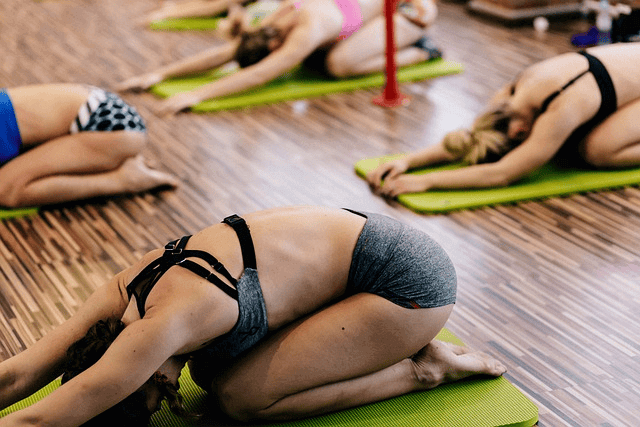
It’s important to complement your scoliosis management, and there is no better way than considering yoga and pilates workouts. They can help improve your core muscle strength and enhance flexibility. For instance, yoga poses such as Child’s Pose and Cat-Cow help keep the spine pain-free and flexible. Pilates exercises, on the other hand, will target the core muscles and offer the right support for the spine.
Through stabilizing the core, these workouts will allow a sound distribution of forces uniformly throughout the body. Pilates and yoga also encourage breathing and mindful movements which improve your overall well-being. Regular physical activity, avoiding smoking, and managing stress can also lead to a healthier spine.
5. Electrical Stimulation
This promising treatment involves the use of small electrical currents for stimulating muscle contractions. The main focus is keeping muscles at the spinal column well-supported which will promote stability and alignment. Electrical stimulation can be much helpful for adolescents and young ones whose bones can be more responsive to corrective treatments. After the electrodes are placed over the target muscles on the skin, the electrical currents will trigger relaxation and contraction of the muscles, imitating natural activity.
Endnote
Even as surgery becomes a great option for dealing with severe scoliosis, there are non-surgical treatments which are promising. These alternatives help improve the spinal alignment over time making consistency crucial. It is also a good idea to seek professional help for proper assistance.