Skip to content
Epomedicine

Mnemonics, Simplified Concepts & Thoughts

Epomedicine

Mnemonics, Simplified Concepts & Thoughts

dexamethasone suppression

Understanding Dexamethasone Suppression Test

Epomedicine, Jan 30, 2017Aug 8, 2023

The Dexamethasone Suppression Test (DST) is based on the principle of negative feedback exerted by steroids on pituitary gland’s ACTH secretion.

Negative feedback with exogenous steroid works if the cause is excessive ACTH secretion from pituitary:

1. Cushing’s disease (pituitary ACTH dependent Cushing’s syndrome): Excessive ACTH secretion by pituitary adenoma

2. Depression and stress: Excessive ACTH secretion from pituitary in response to increased hypothalamic CRH

3. Obesity: IGF-1 mediated inhibition of hepatic 11β-HSD1 resulting in decreased peripheral conversion of cortisone to cortisol. Hence, pituitary ACTH secretion is increased due to loss of normal negative feedback.

Negative feedback with exogenous steroid will not work if:

1. ACTH is secreted from a different source in body (Ectopic ACTH secretion)

2. Adrenal tumors autonomously secrete steroids (Primary Cushing syndrome, i.e. ACTH independent)

ACTH:

1. High in ACTH dependent causes (Inferior petrosal sinus ACTH is high if ACTH is produced by pituitary, i.e. Cushing’s disease)

2. Low (due to negative feedback) in ACTH independent (Adrenal) cause.
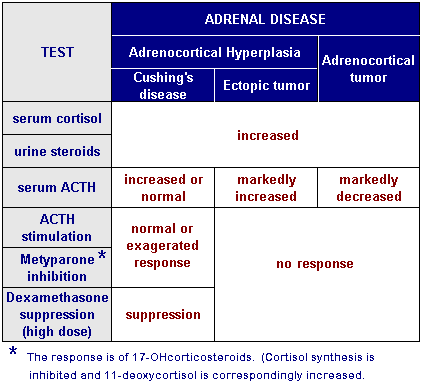
dexamethasone suppression

This much understanding is enough to understand the Dexamethasone suppression test. Let’s interpret the results of DST:

Overnight Dexamethasone Suppression Test:

Dexamethasone is given at 11-12 PM.

  • Low dose: 1 mg
  • High dose: 8 mg

Plasma cortisol is measuret at 8 AM next morning.

Note: Traditionally, Dexamethasone Suppression Test was performed over 2 days with multiple doses of Dexamethasone. Studying different textbooks may create confusion. Here, we are discussing about the overnight dexamethasone suppression test.

1. Suppressed with low dose DST:

  • <2 mcg/dl: Normal
  • 2-5 mcg/dl: Obesity, Depression or Stress

2. Suppressed with high dose DST: Plasma cortisol suppresses >50% baseline

  • Piuitary cause (Cushing’s disease)

Mnemonic: Suppressed with high dose DST – Higher level problem i.e. pituitary

3. Not suppressed with high dose DST:

  • Ectopic ACTH secretion
  • Adrenal cause, i.e. ACTH independent (Primary Cushing’s syndrome)

4. To differentiate the cause using ACTH measurement:

Low ACTH (<5 mcg/dl): Adrenal cause

  • Next step: Adrenal CT or MRI

High ACTH (>15 mcg/dl): ACTH dependent cause

  • Petrosal (IPSS)/Peripheral ACTH >3: Pituitary cause (Cushing’s disease)
    • Next step: MRI pituitary
  • Petrosal (IPSS)/Peripheral ACTH <3: Ectopic ACTH secretion
    • Next step: Octreotide scintigraphy and Chest and upper abdominal CT
6 shares
  • Facebook6
  • Twitter
PGMEE, MRCS, USMLE, MBBS, MD/MS BiochemistryEndocrine systemInternal medicinePhysiology

Post navigation

Previous post
Next post

Related Posts

PGMEE, MRCS, USMLE, MBBS, MD/MS

Antibiotic Spectrums : Cheat sheet

May 20, 2020May 20, 2020

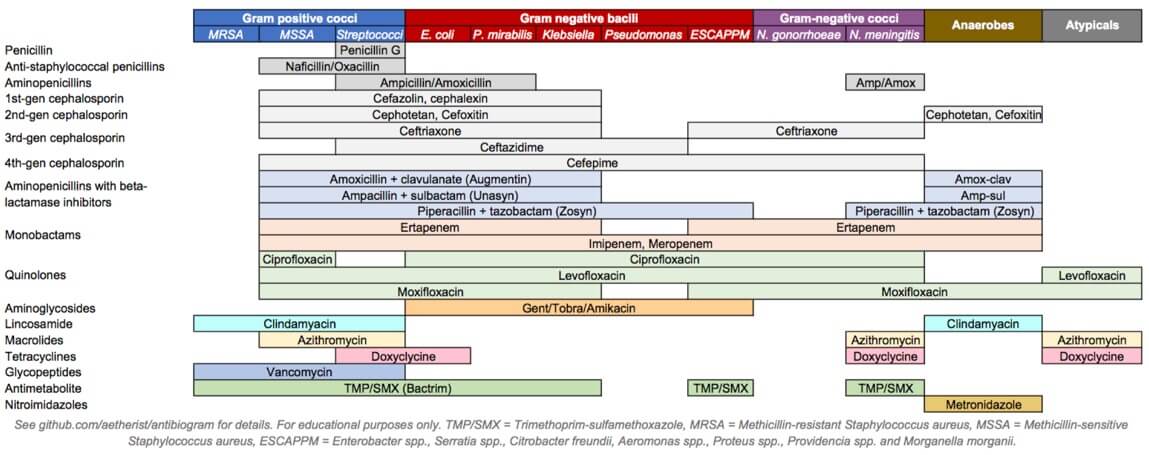
Gram positive and Gram negative Amoxicillin-clavulanate Tazobactam-piperacillin Carbapenem: Ertapenen, Imipenem, Meropenem Cefuroxime Cefotaxime Ceftriaxone Anaerobes Amoxicillin-clavulanate Tazobactam-piperacillin Carbapenems Clindamycin Metronidazole Pseudomonas Tazobactam-piperacillin Carbapenems (except Ertapenem) Ceftazidime, Cefoperazone, Cefepime Gentamicin, Amikacin, Tobramycin Ciprofloxacin Colistin Aztreonam Only gram positive Vancomycin Teicoplanin Linezolid Daptomycin Only gram negative Ceftazidime Colistin Aztreonam “Non-culturable” bacteria Macrolides:…

Read More
PGMEE, MRCS, USMLE, MBBS, MD/MS

Pharmacology of Carbapenems : Mnemonics

Mar 30, 2021Mar 30, 2021

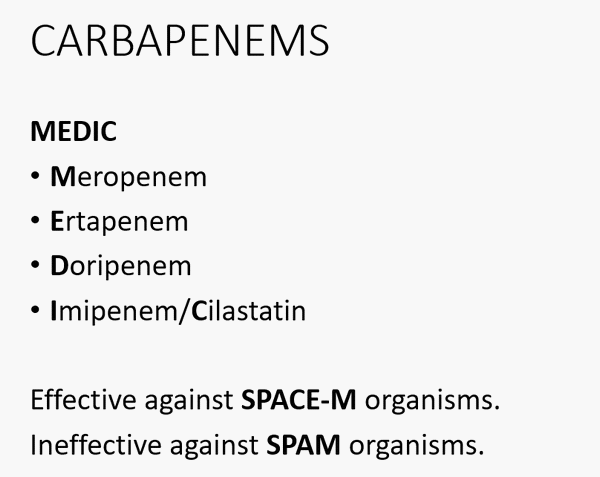
Commonly used Carbapenems Mnemonic: MEDIC Meropenem Ertapenem Doripenem Imipenem/Cilastatin (renal dehydropeptidase I inhibitor) Besides these, there are other drugs like tebipenem (1st oral carbapenem), panipenem, tomopenem (has MRSA activity), etc. which fall under carbapenems. Coverage As the name suggests, they have carbapenems attached to beta-lactam ring which provides protection against…

Read More
PGMEE, MRCS, USMLE, MBBS, MD/MS

Median nerve Anatomy : Course and Innervation

Jun 7, 2018Jun 1, 2024

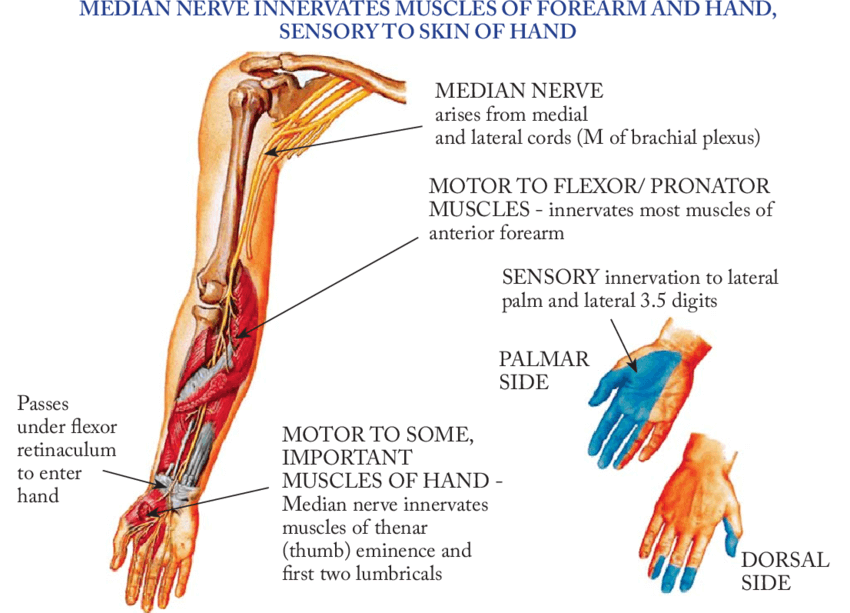
Origin C5-T1 (lateral and medial cords of Brachial plexus) Course Motor innervation Muscles supplied: 2 lateral lumbricals, 3 thenars, 3Ps (2 pronator and 1 palmaris) and 4 flexors. Sensory innervation Clinical correlation 1. Martin-Gruber motor connection: occur in 17% of individuals between median and ulnar nerves resulting in variable innervations…

Read More

Leave a Reply Cancel reply

Your email address will not be published. Required fields are marked *

This site uses Akismet to reduce spam. Learn how your comment data is processed.

Epomedicine. Understanding Dexamethasone Suppression Test [Internet]. Epomedicine; 2017 Jan 30 [cited 2025 Dec 26]. Available from: https://epomedicine.com/medical-students/understanding-dexamethasone-suppression-test/.

Pre-clinical (Basic Sciences)

Anatomy

Biochemistry

Community medicine (PSM)

Embryology

Microbiology

Pathology

Pharmacology

Physiology

Clinical Sciences

Anesthesia

Dermatology

Emergency medicine

Forensic

Internal medicine

Gynecology & Obstetrics

Oncology

Ophthalmology

Orthopedics

Otorhinolaryngology (ENT)

Pediatrics

Psychiatry

Radiology

Surgery

RSS Ask Epomedicine

  • What to study for Clinical examination in Orthopedics?
  • What is the mechanism of AVNRT?

Epomedicine weekly

  • About Epomedicine
  • Contact Us
  • Author Guidelines
  • Submit Article
  • Editorial Board
  • USMLE
  • MRCS
  • Thesis
©2025 Epomedicine . All rights reserved.