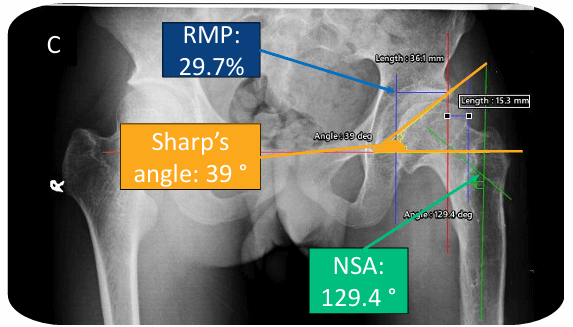
Dr. Sulabh Kumar Shrestha1, Dr. Rajendra Aryal2, Dr. Nitesh Raj Pandey2, Dr. Bibek Banskota21AKBEF Fellow, 2Unit-1 (Hip, Pelvi-acetabulum & Arthroplasty), B&B HospitalPoster presentation at Orthocon 2026 Introduction Progressive hip subluxation is a common orthopedic problem in children with cerebral palsy (CP), with strong correlation to Gross Motor Function Classification System…
Tag: Pediatric hip
PGMEE, MRCS, USMLE, MBBS, MD/MS
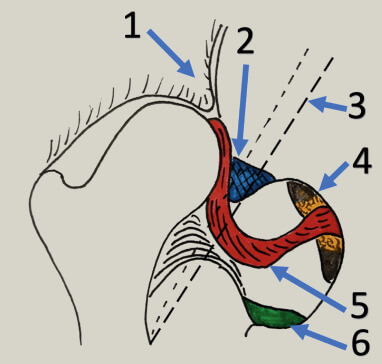
Obstacles to reduction in Developmental Dysplasia of Hip (DDH)
Extra-articular obstacles: Secondary muscle shortening due to hip in subluxed/dislocated position Intra-articular obstacles: Results in decreased volume of the acetabulum
PGMEE, MRCS, USMLE, MBBS, MD/MS
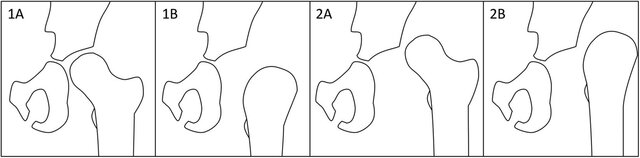
Classifications of Sequelae of Septic Arthritis of Hip in Children
Several radiological classifications have been developed to describe the long-term changes in the hip following septic arthritis and to help guide management. Hunka classification Choi classification Forlin and Milani classification Grade 1: Hips with the head or the femoral neck within the acetabulum Grade 2: Hips are dislocated Johari classification…
PGMEE, MRCS, USMLE, MBBS, MD/MS
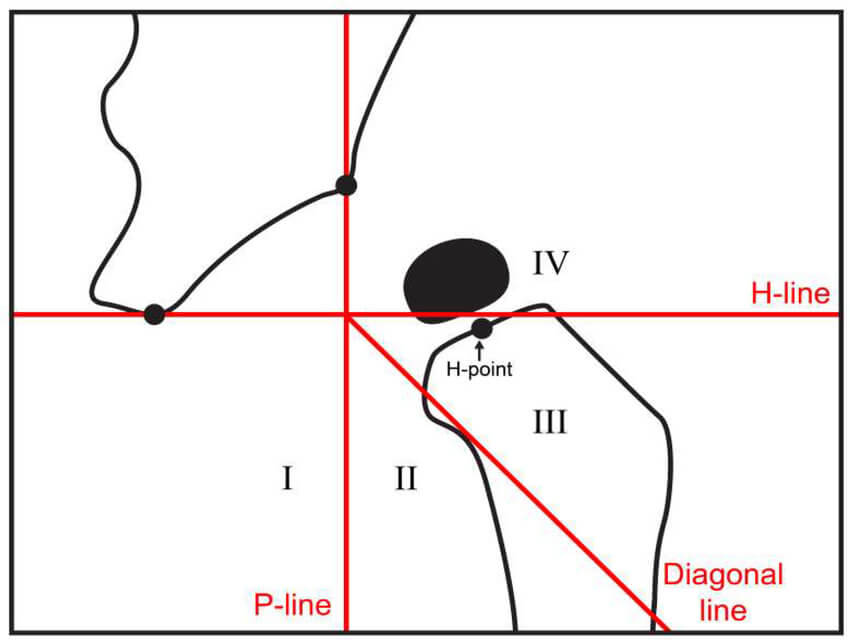
Tonnis and IHDI (International Hip Dysplasia Institute) Classification for DDH
IHDI method is a new radiographic classification of the severity of hip dislocation in DDH. It is based on the location of the midpoint of superior part of ossified metaphysis (H-point) relative to acetabulum. In contrast to Tonnis classification method, IHDI method: Tonnis classification: It is assessed according to the…