Skip to content
Epomedicine

Mnemonics, Simplified Concepts & Thoughts

Epomedicine

Mnemonics, Simplified Concepts & Thoughts

TLICS vs SLICS

Epomedicine, Mar 15, 2025Mar 15, 2025

Thoracolumbar Injury Classification and Severity (TLICS) and Subaxial Cervical Spine Injury Classification System (SLICS) are based on 3 components of injury:

  1. Fracture morphology
  2. Neurological status
  3. Integrity of ligamentous structures

TLICS score and SLICS score provide a scoring system to guide management:

  • <4: Non-operatively
  • 4: Indeterminate (operative or non-operative based on surgeon’s clinical decision making)
  • >4: Operatively
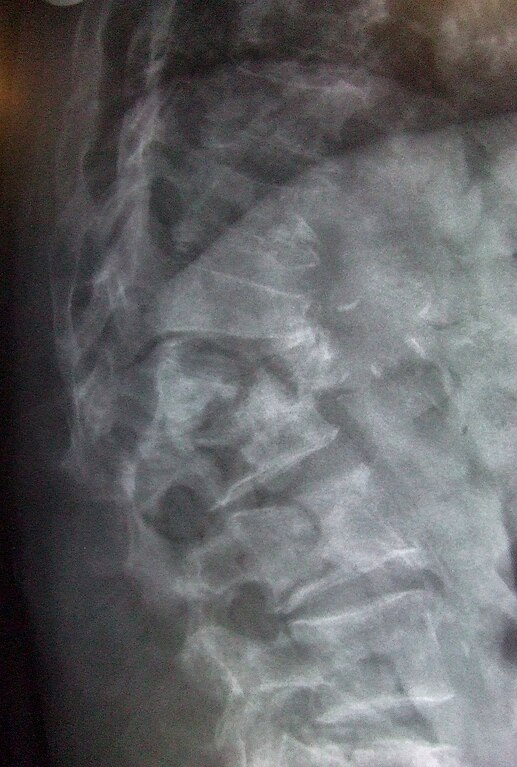
spine fracture
Glitzy queen00, Public domain, via Wikimedia Commons
CharacteristicsTLICSSLIC
1. Injury morphology (Radiographs, CT)
a. No abnormality00
b. Compression11
c. Burst22
d. Translation/rotation34
e. Distraction43
2. PLC/DLC integrity (MRI)
a. Intact00
b. Indeterminate21
c. Disrupted32
3. Neurological status (Clinical examination)
a. Intact00
b. Nerve root injury21
c. Complete cord injury22
d. Incomplete cord injury33
e. Cauda equina injury3–
f. Persistent cord compression in the setting of neuro-deficit–+1

  • Facebook
  • Twitter
PGMEE, MRCS, USMLE, MBBS, MD/MS Musculoskeletal systemOrthopedics

Post navigation

Previous post
Next post

Related Posts

PGMEE, MRCS, USMLE, MBBS, MD/MS Child Pugh Score

Hepatorenal syndrome (HRS) – Quick revision

Apr 18, 2017

New Criteria for HRS 1. Cirrhosis with ascites 2. Serum creatinine >1.5mg/dl 3. No sustained improvement in renal function after 2 days of diuretic withdrawl (if on diuretics) and volume expansion with albumin infusion at 1 gm/kg/day upto a maximum of 100 gm/day. 4. No evidence of shock 5. No…

Read More
PGMEE, MRCS, USMLE, MBBS, MD/MS

Trichomycosis Axillaris : Malodorous yellowish armpit hair

Apr 24, 2021Apr 24, 2021

Synonym: Trichobateriosis axillaris, Bacterial trichonodosis, Trychomycosis palmellina Definition: Asymptomatic superficial bacterial infection (mycosis is a misnomer because it is not a fungal infection) primarily of the axillary hairs (can also occur in pubic, perianal and scalp hair) caused by Corynebacterium sp. Causative organism: Corynebacterium species particularly Corynebacterium flavescens Mode of infection: Bacteria…

Read More
PGMEE, MRCS, USMLE, MBBS, MD/MS

Personality Disorders – Mnemonic

May 17, 2019May 17, 2019

If you are having a hard time remembering the clusters and which disorder falls into which cluster, this mnemonic will be helpful. Three clusters: A, B and C; remember as WWW – Weird, Wild and Worried, respectively. Cluster A – Weird (Genetic association with Schizophrenia) Accusatory: Paranoid (Suspicious) Aloof: Schizoid…

Read More

Leave a Reply Cancel reply

Your email address will not be published. Required fields are marked *

This site uses Akismet to reduce spam. Learn how your comment data is processed.

Pre-clinical (Basic Sciences)

Anatomy

Biochemistry

Community medicine (PSM)

Embryology

Microbiology

Pathology

Pharmacology

Physiology

Clinical Sciences

Anesthesia

Dermatology

Emergency medicine

Forensic

Internal medicine

Gynecology & Obstetrics

Oncology

Ophthalmology

Orthopedics

Otorhinolaryngology (ENT)

Pediatrics

Psychiatry

Radiology

Surgery

RSS Ask Epomedicine

  • What to study for Clinical examination in Orthopedics?
  • What is the mechanism of AVNRT?

Epomedicine weekly

  • About Epomedicine
  • Contact Us
  • Author Guidelines
  • Submit Article
  • Editorial Board
  • USMLE
  • MRCS
  • Thesis
©2026 Epomedicine | WordPress Theme by SuperbThemes