Skip to content
Epomedicine

Mnemonics, Simplified Concepts & Thoughts

Epomedicine

Mnemonics, Simplified Concepts & Thoughts

neutropenia

Neutropenic Fever and Empiric Therapy

Epomedicine, Jul 4, 2016Jul 4, 2016

Synonym: Febrile Neutropenia

Definition of Neutropenic Fever

Fever:

  1. Single oral temperature ≥ 38.3 °c (101 °F) or
  2. ≥ 38 °c (100.4 °F) sustained over 1 hour

Neutropenia:

  1. Absolute Neutrophil Count (ANC) <500 cells/cu.mm or
  2. ANC expected to fall <500/cu.mm in next 48 hours
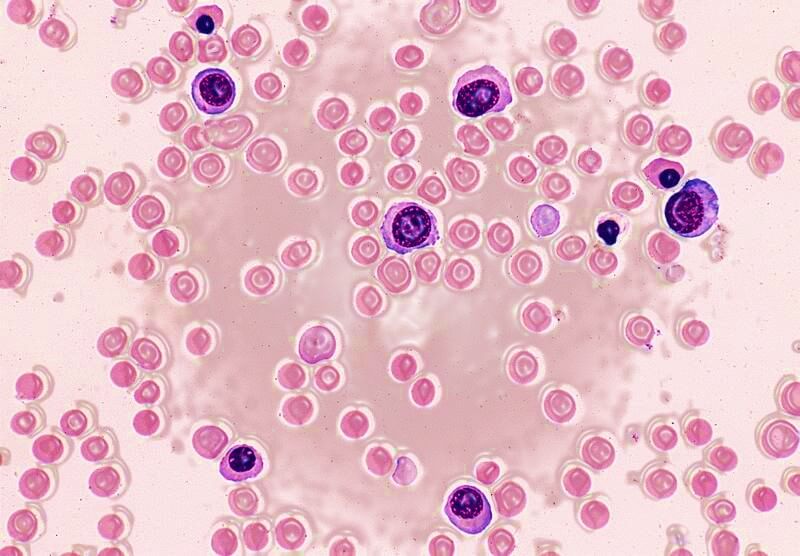
neutropenia

Profound neutropenia: ANC <100/cu.mm

Prolonged neutropenia: Neutropenia for >7 days

Risk Assessment in Neutropenic Fever

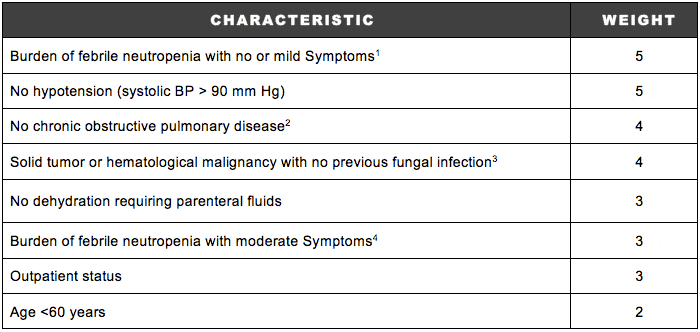
Multinational Association for Supportive Care in Cancer (MASCC) scoring system 1http://www.mascc.org/mascc-fn-risk-index-score :

mascc risk index
Mnemonic for MASCC scoring variables – A: Age; B: Burden of febrile neutropenia, Blood pressure; C: COPD; D: Dehydration requiring IV fluids; E: Evaluation in outpatient; F: Fungal infection previously

High risk patients – Candidates for Inpatient and Parenteral therapy:

  • MASCC score <21
  • Anticipated prolonged and profound neutropenia
  • Significant medical comorbidities – including hypotension, pneumonia, new-onset abdominal pain, or neurologic changes

Low risk patients – Candidates for Oral therapy:

  • MASCC score ≥21
  • Neutropenia not meeting criteria for ‘high risk’
  • Few or no medical comorbidities

Laboratory Assessment in Neutropenic Fever

For all patients:

  1. CBC including DLC and platelets
  2. RFT – Serum creatinine and BUN
  3. Serum electrolytes
  4. LFT – AST/ALT, Total bilirubin
  5. Atleast 2 sets of blood cultures:
    • If central venous catheter present: 1 set from each lumen of CV catheter and another from peripheral venous site
    • If central venous catheter absent: 2 sets from separate venipuncture

If indicated clinically:

  1. Culture specimens from other sites
  2. Chest Xray
  3. Urinalysis

Oral Empiric Regimens for Low risk Neutropenic Fever

  1. Amoxicillin/Clavulanate + Ciprofloxacin
  2. If on fluoroquinolone prophylaxis – exclude oral fluoroquinolone from empiric therapy
  3. Other: Levofloxacin or Ciprofloxacin monotherapy, or Ciprofloxacin + Clindamycin (if penicillin allergic)

Empiric Regimens for High risk Neutropenic Fever

1st line Monotherapy: Antipseudomonal Beta-lactam agents

  1. Piperacillin-Tazobactam
  2. Cefepime
  3. Meropenem
  4. Imipenem-Cilastin

Fluoroquinolones, Aminoglycosides or Vancomycin may be added for management of complications or antimicrobial resistance.

Modification of initial empiric therapy:

  1. MRSA (Methicillin Resistant Staph Aureus) – Early addition of vancomycin, daptomycin or linezolid
  2. VRE (Vancomycin Resistant Enterococcus) – Early addition of daptomycin or linezolid
  3. ESBLs (Extended spectrum Beta Lactamase producing gram negative organisms) – Early use of Carbapenems
  4. KPCs (Klebsiella Pneumonia Carbapenemase) – Early use of polymyxin/colistin or tigecycline 2Freifeld AG, Bow EJ, Sepkowitz KA, Boeckh MJ, Ito JI, Mullen CA, Raad II, Rolston KV, Young JA, Wingard JR; Infectious Diseases Society of America. Clinical practice guideline for the use of antimicrobial agents in neutropenic patients with cancer: 2010 update by the infectious diseases society of america. Clin Infect Dis. 2011 Feb 15;52(4):e56-93. doi: 10.1093/cid/cir073. PubMed PMID:  21258094.
  • Facebook
  • Twitter
PGMEE, MRCS, USMLE, MBBS, MD/MS Internal medicine

Post navigation

Previous post
Next post

Related Posts

PGMEE, MRCS, USMLE, MBBS, MD/MS tnm staging system

TNM Classification and Cancer Staging Simplified

Aug 14, 2016Aug 14, 2016

You must be asking yourself – “how to remember the TNM staging system?” and looking here and there for mnemonics only to find nowhere. Understanding the oncoanatomy helps to understand the staging system of the cancers. Tumor Status (T) T1 T2 T3 T4 Depth of invasion Solid organs Confined Capsule,…

Read More
PGMEE, MRCS, USMLE, MBBS, MD/MS

Pedicle Screw Insertion Simplified

Oct 30, 2021Oct 30, 2021

Anatomy of Vertebral Pedicle Width (narrowest transverse diameter): Narrowest at T4-T5 (4-5 mm) Above and below this level, the width gradually increases to almost double at T1 and T11 (8 mm) Narrowest for lumbar at L2 (two for tiny; 2 X 3 = 6 mm) Increases gradually to L5 (5…

Read More
PGMEE, MRCS, USMLE, MBBS, MD/MS purines and pyrimidine bases

Purine and Pyrimidines : Structure, Synthesis and Metabolism

Jan 25, 2017Aug 1, 2018

Purines and Pyrimidines Bases Purines = 2 rings Adenine Guanine Hypoxanthine (Deaminated Adenine) Adenine to Hypoxanthine deamination is mediated by Adenosine deaminase which is decreased in Autosomal recessive SCID. Accumulated dATP inhibit ribonucleotide reductase leading to deficient synthesis of other deoxyribonulceotide precursors for DNA synthesis. Xanthine (Deaminated Guanine) Mnemonics: Pure…

Read More

Leave a Reply Cancel reply

Your email address will not be published. Required fields are marked *

This site uses Akismet to reduce spam. Learn how your comment data is processed.

Epomedicine. Neutropenic Fever and Empiric Therapy [Internet]. Epomedicine; 2016 Jul 4 [cited 2025 Dec 15]. Available from: https://epomedicine.com/medical-students/neutropenic-fever-febrile-neutropenia/.

Pre-clinical (Basic Sciences)

Anatomy

Biochemistry

Community medicine (PSM)

Embryology

Microbiology

Pathology

Pharmacology

Physiology

Clinical Sciences

Anesthesia

Dermatology

Emergency medicine

Forensic

Internal medicine

Gynecology & Obstetrics

Oncology

Ophthalmology

Orthopedics

Otorhinolaryngology (ENT)

Pediatrics

Psychiatry

Radiology

Surgery

RSS Ask Epomedicine

  • What to study for Clinical examination in Orthopedics?
  • What is the mechanism of AVNRT?

Epomedicine weekly

  • About Epomedicine
  • Contact Us
  • Author Guidelines
  • Submit Article
  • Editorial Board
  • USMLE
  • MRCS
  • Thesis
©2025 Epomedicine . All rights reserved.