YELLOW NAILS
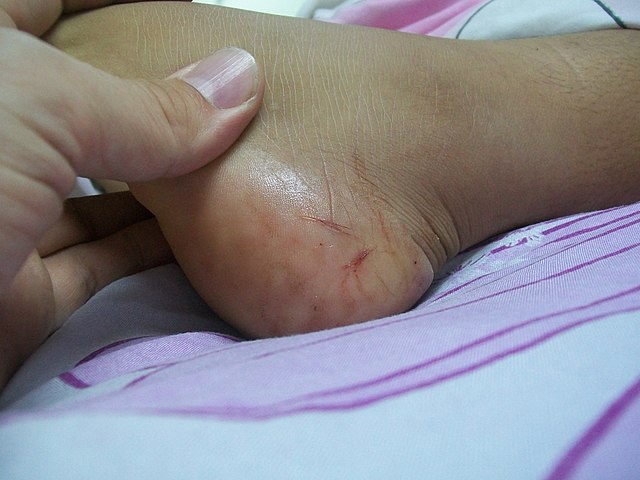
- N: Non pitting Lymphedema
- A: Autoimmune disorders (thyroiditis, rheumatoid arthritis)
- I: Infections (Pneumonia, AIDS)
- L: Lung disorders (pleural effusions and bronchiectasis)
- S: Serious: Malignancy (mycosis fungoides, laryngeal carcinoma, bronchial carcinoma, breast cancer, endometrial cancer, gallbladder cancer, NH Lymphoma)
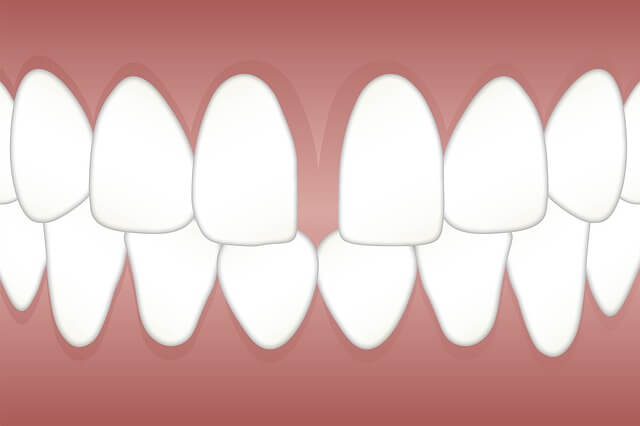
DIASTEMA causes (see Terry Thomas “sign”)
- D: Developmental cyst orofacial line
- I: Inherited (genetic)
- A: Anterior traumatic bite
- S: Superior labial frenum
- T: Tumor (odontomas occurring in the maxillary midline)
- E: Excessive teeth (supernumerary)
- M: Migration -pathologic migration of the teeth
- A: Arch size discrepancy
ANGIOEDEMA causes
- A: ACE inhibitor, ARBs
- N: Nuts (peanuts allergy)
- G: Gleich syndrome (angioedema episodic + hypereosinophilia, IgM, no end organ involvement or cardiac damage); Gland associated (hypothyroidism)
- I: Insect bites (bees), idiopathic
- O: Other: SLE, Lymphomas
- E: Esterase inhibitor C1 deficiency, Everolimus
- D: Drugs: NSAIDs (Brufen)
- E: Egg & shellfish allergy
- M: Morphine, codeine, Milk containing Penicillin
- A: Aspirin
SPLINTER HEMORRHAGES
- S: Septic emboli, Sunitinib & Sorafenib (TKI, Tyrosine Kinase Inhibitors)
- P: Psoriasis, & Psittacosis; Proximal & multiple in women look for systemic disease.
- L: Lichen planus
- I: Infections: Infective endocarditis & Meningococcus; Disseminated histoplasmosis
- N: Neoplasia, Nitrofurantoin
- T: Trauma, Terbinafine, Tetracyclines
- E: Erythematosus (SLE, APS)
- R: Rheumatic [Behcet’s, Raynaud’s, Cutaneous Vasculitis] & Renal disease (hemodialysis & post-transplant)
PALMAR ERYTHEMA
- E: Endocrine [Diabetes Mellitus 4%]
- R: RA [Rheumatoid Arthritis 60%]
- Y: Infections [HBC, HCV]
- T: Thyroid [TSH low – hyperthyroidism] Topiramate & salbutamol (w/normal liver functions]
- H: Hepatic disease [Cirrhosis 23%, Wilson’s disease, Hemochromatosis] Hand Foot Syndrome (following chemotherapy – lots of drugs]; Hereditary
- E: Exposure to smoking, & COPD
- M: Mum – Pregnancy 30%
- A: Atopic dermatitis, Amiodarone (with Gemfibrozil & Cholestyramine with liver abnormalities); Attention: breast cancer – primary & metastatic.
HYPERSALIVATION
- H: Hg (Mercury) poisoning
- Y: hYpoglossal palsy
- P: Pellagra (B3 – niacin deficiency); Pregnancy; Parkinson’s disease; Pyridostigmine & Pilocarpine; Pancreatitis
- E: Epiglottitis
- R: Rabies; Risperdal
- S: Serotonin syndrome
- A: Arsenic & Thallium poisoning
- L: Liver disease
- I: IM Clozapine (nocturnal drooling)
- V: VII facial bilateral nerve palsy
- A: ALS Amyotrophic Lateral Sclerosis, MSA Multiple System Atrophy (Parkinson’s); Myasthenia Gravis
- T: Tonsillitis
- I: Infection (oral)
- O: Organophosphates
- N: Neurologic (bulbar palsy); Nicotine
FARTINGS
- F: Fizzy drinks & Foods (Hard to digest), Fructose intolerance
- A: Aerophagia; Alcohol (muscle relaxant)
- R: Related to Asanas (Yoga positions) & Respiration: Snoring (OSA Obstructive Sleep Apnea); Regular farting Reduces bloating (keep doing it 5-15 xs/day)
- T: Tolerance to milk decreased (Lactose intolerance)
- I: IBS Irritable Bowel Syndrome
- N: Neoplasia (colon obstruction; NSAIDs & others (Statins, Varenicline – Champix)
- G: Giardiasis
- S: Sorbitol & Xylitol

Hard worker, Reliable, Team player, Family man.
MBChB (O’Porto Univ.), Dip HIV Man (CMSA), DTM&H (Wits), DipPEC (CMSA), Dip Internal Medicine (CMSA), M. Med. Clinical Pharm [Cum Laude] (Univ. Pretoria), FCP (CMSA)