Skip to content
Epomedicine

Mnemonics, Simplified Concepts & Thoughts

Epomedicine

Mnemonics, Simplified Concepts & Thoughts

esr

ESR and CRP in Musculoskeletal infection

Epomedicine, Aug 5, 2020Jan 27, 2022

ESR (Erythrocyte Sedimentation Rate)

  1. Usually elevated within 48-72 hours of the infection onset (less reliable in the first 48 hours of infection)
  2. Continues to rise for 3-5 days after institution of successful therapy and continuing rise beyond 4th-5th day of treatment can be an indication of treatment failure (not good means of monitoring treatment during first week)
  3. Returns to normal over 2-4 weeks after elimination of infection.
  4. Elevated in 85%-95% cases of septic arthritis and in 90%-95% of osteomyelitis cases (significantly higher levels in septic arthritis than osteomyelitis)
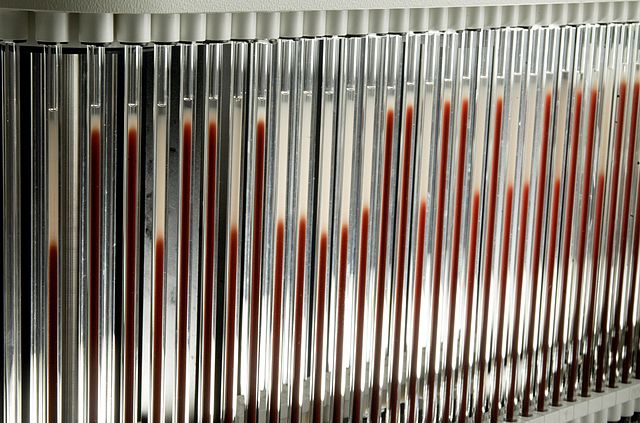
ESR
MechESR / CC0

CRP (C-Reactive Protein)

  1. Begin to rise within 6 hours of the triggering stimulus (trauma or infection) and then increases several hundredfold
  2. Reaches a peak within 36-50 hours
  3. Falls to normal quickly with successful treatment because of short half-life (returns to normal within 1 week of successful treatment)
  4. Elevated in 98% of patients with osteomyelitis
  5. If CRP is <1.0 mg/dL, the probability that a patient does not have septic arthritis is 87%
  6. In the surgery group, it takes twice as long for the CRP and ESR to reach peak values and then twice as long to normalize after initiation of treatment.
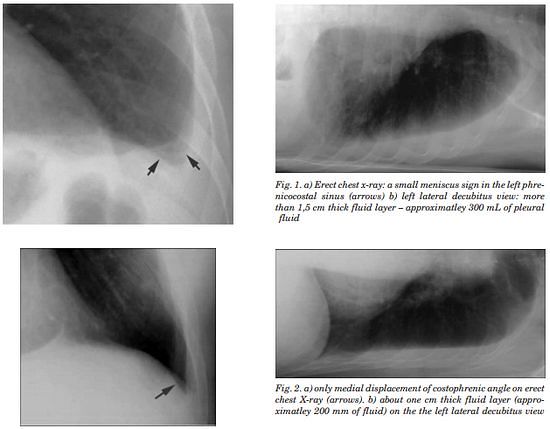
Maximum Normal ESR and CRP for age and gender
  • Facebook
  • Twitter
PGMEE, MRCS, USMLE, MBBS, MD/MS Infectious diseaseOrthopedicsPediatrics

Post navigation

Previous post
Next post

Related Posts

PGMEE, MRCS, USMLE, MBBS, MD/MS

ALI and ARDS : Mnemonics

May 20, 2024May 20, 2024

Diagnosis (Berlin Criteria) Mnemonic A R D S Acute Lung Injury (ALI) Acute onset (<7 days) Ratio PaO2/FiO2 ≤300 mmHg or 40 kPa Diffuse bilateral pulmonary infiltrates on CXR Swan-Ganz pulmonary wedge pressure ≤18 mmHg or No evidence of Left atrial hypertension Acute Respiratory Distress Syndrome (ARDS) Acute onset (<7…

Read More
PGMEE, MRCS, USMLE, MBBS, MD/MS site of absorption

Site of absorption of Vitamins, Minerals and Nutrients

Mar 1, 2018

Duodenum Calcium Thiamine Iron Protein Carbohydrate Jejunum/Proximal ileum Fat Vitamins A, D, E, K Water-soluble vitamins Folate Essential minerals Copper Zinc Phosphorous Magnesium Terminal ileum Vitamin B12 Bile salts Reference: The SAGES Manual: A Practical Guide to Bariatric Surgery edited by Ninh T. Nguyen, Eric DeMaria, Sayeed Ikramuddin, Matthew M. Hutter

Read More
PGMEE, MRCS, USMLE, MBBS, MD/MS Cerebral cortex layers microanatomy

Cerebral Cortex Layers (Microanatomy) Simplified

Jul 30, 2016Jul 30, 2016

The neocortex have 6 layers and allocortex have only 3 layers. The 6 layers of Neocortex: Orientation of layers: Outer: Towards meaninges Inner: Towards white matter Idea about the layers: Molecular or plexiform: Only cell processes Granular layer: Densely packed stellate cells Pyramidal layer: Medium and Large pyramidal cells Multiform…

Read More

Leave a Reply Cancel reply

Your email address will not be published. Required fields are marked *

This site uses Akismet to reduce spam. Learn how your comment data is processed.

Pre-clinical (Basic Sciences)

Anatomy

Biochemistry

Community medicine (PSM)

Embryology

Microbiology

Pathology

Pharmacology

Physiology

Clinical Sciences

Anesthesia

Dermatology

Emergency medicine

Forensic

Internal medicine

Gynecology & Obstetrics

Oncology

Ophthalmology

Orthopedics

Otorhinolaryngology (ENT)

Pediatrics

Psychiatry

Radiology

Surgery

RSS Ask Epomedicine

  • What to study for Clinical examination in Orthopedics?
  • What is the mechanism of AVNRT?

Epomedicine weekly

  • About Epomedicine
  • Contact Us
  • Author Guidelines
  • Submit Article
  • Editorial Board
  • USMLE
  • MRCS
  • Thesis
©2026 Epomedicine | WordPress Theme by SuperbThemes