Skip to content
Epomedicine

Mnemonics, Simplified Concepts & Thoughts

Epomedicine

Mnemonics, Simplified Concepts & Thoughts

Anatomy of Physis (Growth Plate)

Epomedicine, Jul 30, 2024Jul 30, 2024

Periphery of physis:

The physis is connected to the epiphysis and metaphysis peripherally via:

  1. Groove of Ranvier (supplies chondrocytes to the periphery for latitudinal or appositional growth)
  2. Perichondral ring of LaCroix (strong fibrous tissue that anchors physis to metaphysis)

Blood supply of physis:

There are three sources of blood supply to the physis: the epiphyseal, metaphyseal, and perichondral circulations. 
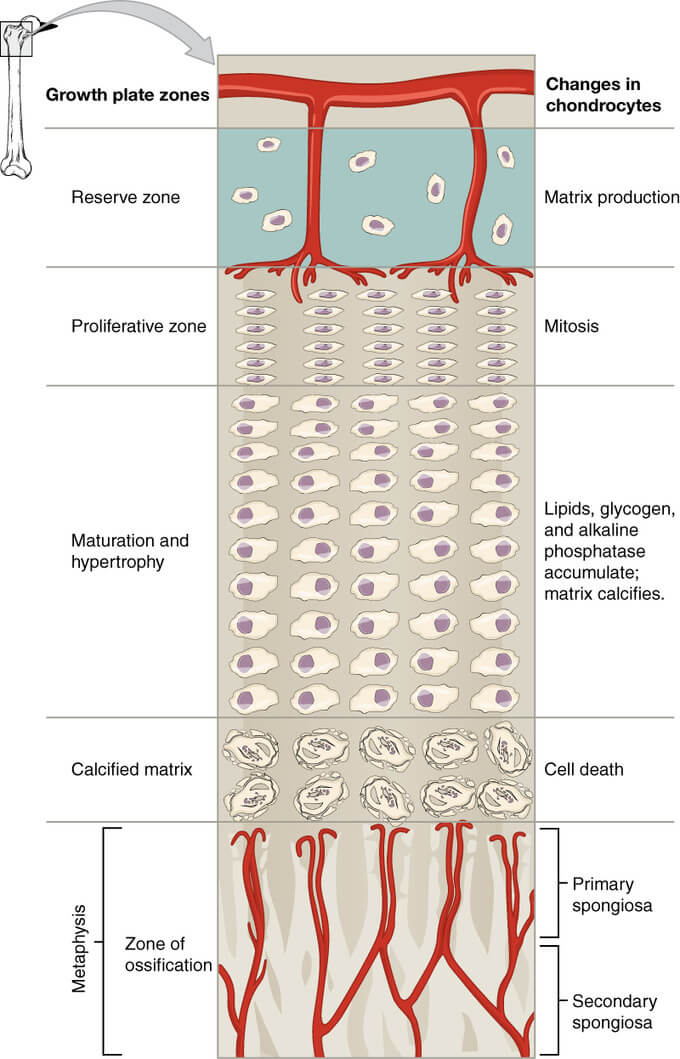
physis zones
38.8: Bone – Growth of Bone (LibreTexts libraries) [CC-BY-SA 4.0]

Zones of physis:

ZonesCharacteristicsFunctionsBlood supplyDiseases
EpiphysisEpiphyseal arteryMultiple Epiphyseal Dysplasia (MED)
Physis
1. Reserve (Resting) zoneGerminal cells of stem cell origin (responsive to hormones) surrounded by mechanically strong thick layer of matrixMatrix production

Storage
Epiphyseal arteries descend through the layer but do not supply (low oxygen tension)1. Diastrophic dysplasia
2. Pseudo-achondroplasia
3. Gaucher’s disease
2. Proliferative (Columnar) zoneStacking of chondrocytes longitudinally; surrounded by mechanically strong thick layer of matrixMatrix production

Cellular proliferation
Excellent (excellent oxygen tension)1. Achondroplasia
2. Hypo-achondroplasia
3. Gigantism
3. Hypertrophic zoneHypertrophy of chondrocytes (5-10 times) with less space for matrix (weakest layer)SCFE (non-renal failure)

Enchondroma
a. Maturation zonePreparation of matrix for calcificationLow (low oxygen tension)Mucopolysaccharidosis
b. Degenerative zonePreparation of matrix for calcificationLower (lower oxygen tension)Mucopolysaccharidosis
c. Zone of provisional calcificationProgrammed cell death of chondrocytesCalcification of matrixNil (poor oxygen tension)1. Rickets & Osteomalacia
2. Physeal fractures
MetaphysisMetaphyseal & nutrient artery branches
1. Primary spongiosaBone formationGood (good oxygen tension)1. Metaphyseal chondrodysplasia
2. Acute hematogenous osteomyelitis
3. Corner fractures
4. SCFE (renal failure)
2. Secondary spongiosaRemodelingExcellent (excellent oxygen tension)1. Osteopetrosis
2. Osteogenesis imperfecta
3. Scurvy
4. Metaphyseal dysplasia

The hypertrophic zone is therefore the weakest layer of the physis under tension, shear, and bending stress, and it is the most common area for fractures. 
  • Facebook
  • Twitter
PGMEE, MRCS, USMLE, MBBS, MD/MS AnatomyMusculoskeletal systemOrthopedics

Post navigation

Previous post
Next post

Related Posts

PGMEE, MRCS, USMLE, MBBS, MD/MS rickettsia

Rickettsial Diseases Made Easy

Apr 3, 2017May 28, 2019

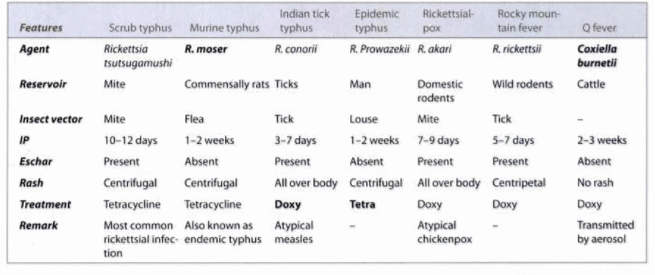
Important features of Rickettsia and Rickettsial Diseases Obligate intracellular parasites like Chlamydia – can survive only in host cells Cannot produce their own ATP, so they utilize the ATP of a host cell Gram negative coccobacillia, and short bacilli that grow strictly in eukaryotic cells (unable to grow in cell…

Read More
PGMEE, MRCS, USMLE, MBBS, MD/MS Hypothalamus mnemonic

Nuclei of Hypothalamus – Mnemonic

Jul 28, 2016Jul 28, 2016

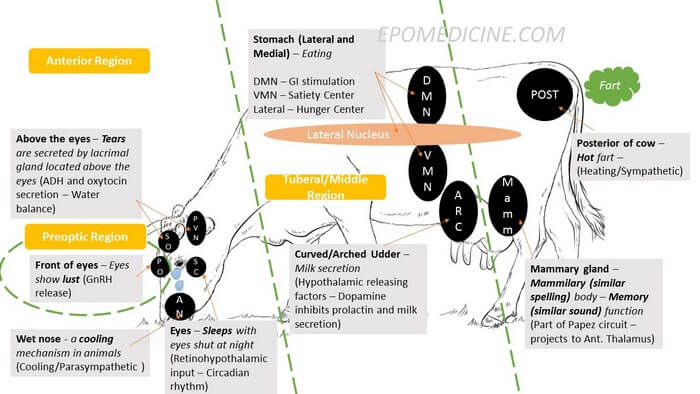
Hypothalamus is composed of several nuclei with different important functions – hence, it is important and confusing at the same time. I have devised a pictorial or visual mnemonic to make things easier for you. Hypothalamus is a Cow Imagine a Crying and Farting Cow when recalling the Hypothalamus. Preoptic:…

Read More
PGMEE, MRCS, USMLE, MBBS, MD/MS sacral plexus mnemonic

Lumbosacral Plexus Simplified

Aug 18, 2016Oct 17, 2020

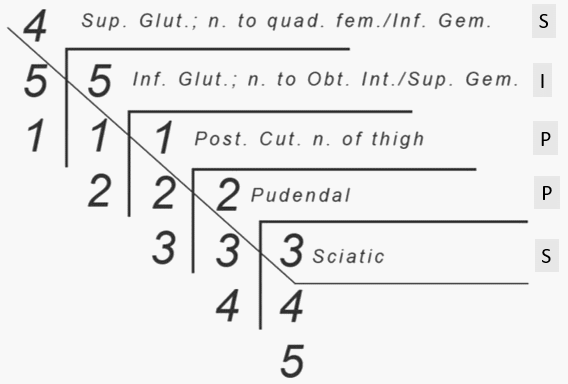
While everyone is busy talking about the brachial plexus – lumbosacral plexus (the origin of nerves that supplies everything below the umbilicus) seems to be bit under-rated. Formation of Lumbosacral Plexus Ventral rami of L1-S4; has 2 components – Lumbar plexus (L1-L4) – forms within psoas major anterior to lumbar…

Read More

Leave a Reply Cancel reply

Your email address will not be published. Required fields are marked *

This site uses Akismet to reduce spam. Learn how your comment data is processed.

Pre-clinical (Basic Sciences)

Anatomy

Biochemistry

Community medicine (PSM)

Embryology

Microbiology

Pathology

Pharmacology

Physiology

Clinical Sciences

Anesthesia

Dermatology

Emergency medicine

Forensic

Internal medicine

Gynecology & Obstetrics

Oncology

Ophthalmology

Orthopedics

Otorhinolaryngology (ENT)

Pediatrics

Psychiatry

Radiology

Surgery

RSS Ask Epomedicine

  • What to study for Clinical examination in Orthopedics?
  • What is the mechanism of AVNRT?

Epomedicine weekly

  • About Epomedicine
  • Contact Us
  • Author Guidelines
  • Submit Article
  • Editorial Board
  • USMLE
  • MRCS
  • Thesis
©2026 Epomedicine | WordPress Theme by SuperbThemes