Skip to content
Epomedicine

Mnemonics, Simplified Concepts & Thoughts

Epomedicine

Mnemonics, Simplified Concepts & Thoughts

Respiratory Emergencies

Epomedicine, Apr 11, 2020Apr 11, 2020

Contains concise management of following conditions with flowcharts, tables and figures. This handbook can be helpful for medical students posted in Emergency room or Internal medicine and also for medical officers working in Emergency department.

respiratory emergencies
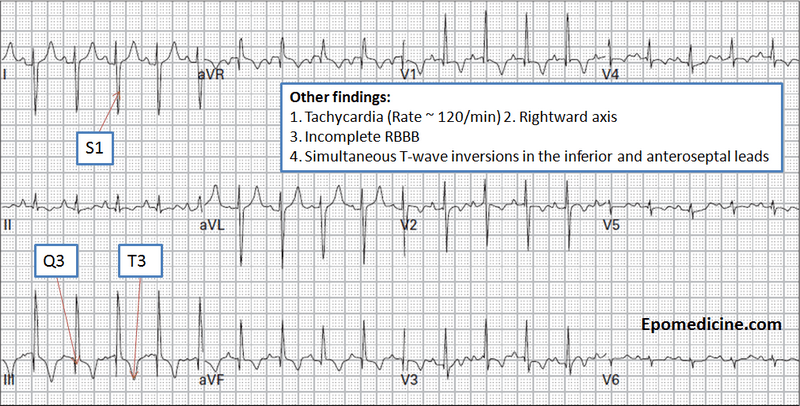
  1. Acute Pulmonary Embolism
  2. Acute Exacerbation of COPD    
  3. Community Acquired Pneumonia (CAP)
  4. Healthcare Associated Pneumonia (HAP)/Ventilator Associated Pneumonia (VAP)
  5. Acute uncomplicated pharyngitis
  6. Unexplained dyspnea
  7. Acute cough
  8. Acute exacerbation of asthma
  9. Pneumothorax
  10. Hemoptysis
  11. Oxygenation in Acute respiratory failure
  12. ABG
  13. Acute uncomplicated rhinosinusitis
Download

  • Facebook
  • Twitter
Emergency Medicine Emergency medicineInternal medicineRespiratory system

Post navigation

Previous post
Next post

Related Posts

Emergency Medicine testicular torsion

Testicular Torsion

Jan 23, 2018Jun 8, 2019

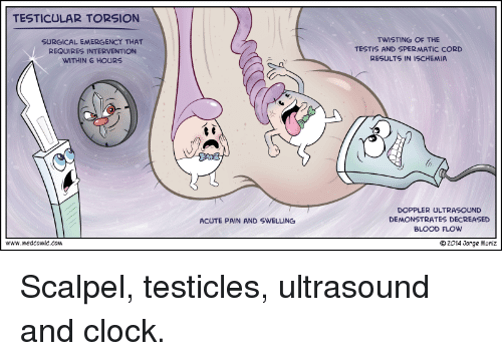
Learning Objectives List the differential diagnosis for an acutely painful scrotum. Understand the anatomical basis of testicular torsion. List common presenting signs and symptoms of testicular torsion. Describe both initial and definitive management of testicular torsion. Explain why torsion is an emergent condition and discuss the time for salvage of…

Read More
Emergency Medicine septic shock hemodynamic changes

Septic Shock Fluid Resuscitation

Jun 16, 2016

Endpoints of resuscitation MAP: > or = 65 mmHg Urine output: > 0.5 ml/kg/hr; despite ↓RBF (Renal Blood Flow) it can be normal due to – Atrial natriuretic factor are elevated in sepsis Hypoproteinemia in sepsis – low plasma colloid osmotic pressure is less able to facilitate oncotic reabsorption. CVP:…

Read More
Emergency Medicine

Handtevy Method : Emergency Drug Dose by Age

Sep 11, 2021Sep 11, 2021

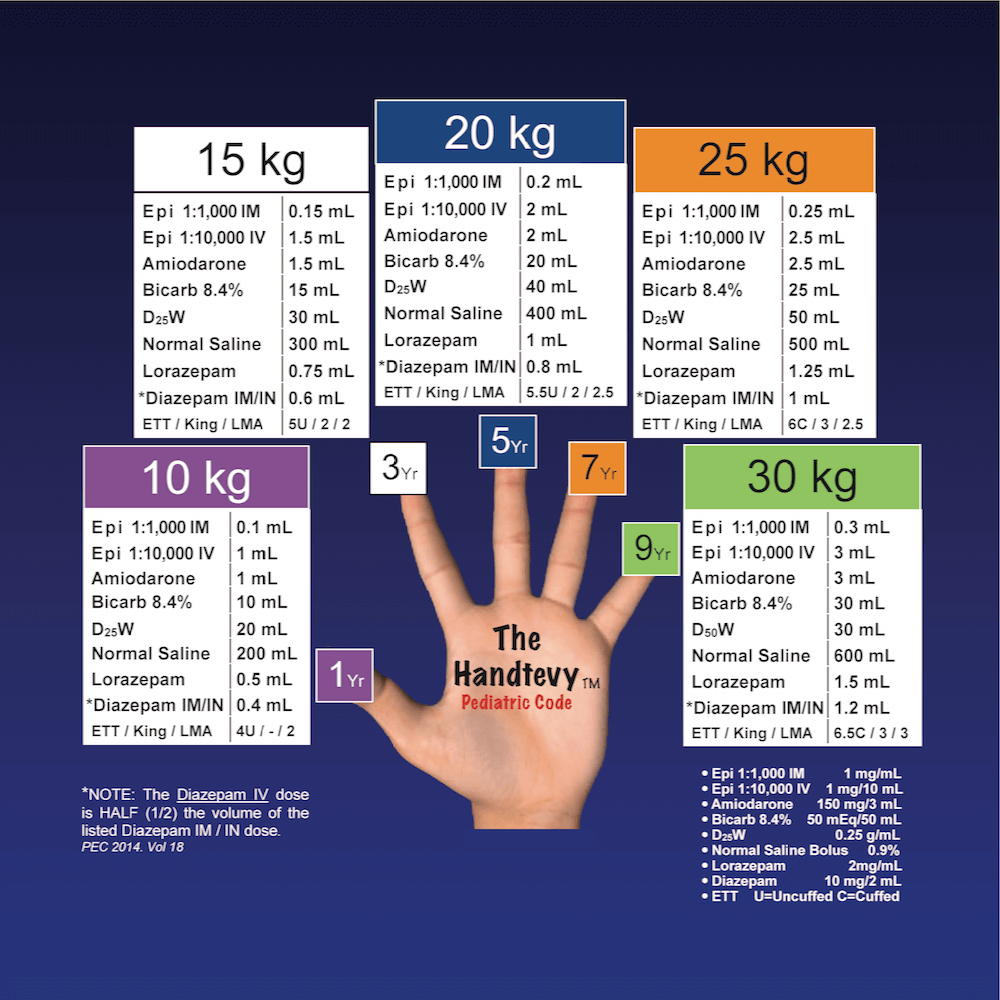
To obtain the correct weight for each age, assign each finger a chronological odd number starting with 1, representing the age in years. Now, using the same fingers, count in the multiples of 5, starting with 10 to obtain the corresponding ideal body weight in kilograms. For the even ages,…

Read More

Leave a Reply Cancel reply

Your email address will not be published. Required fields are marked *

This site uses Akismet to reduce spam. Learn how your comment data is processed.

Pre-clinical (Basic Sciences)

Anatomy

Biochemistry

Community medicine (PSM)

Embryology

Microbiology

Pathology

Pharmacology

Physiology

Clinical Sciences

Anesthesia

Dermatology

Emergency medicine

Forensic

Internal medicine

Gynecology & Obstetrics

Oncology

Ophthalmology

Orthopedics

Otorhinolaryngology (ENT)

Pediatrics

Psychiatry

Radiology

Surgery

RSS Ask Epomedicine

  • What to study for Clinical examination in Orthopedics?
  • What is the mechanism of AVNRT?

Epomedicine weekly

  • About Epomedicine
  • Contact Us
  • Author Guidelines
  • Submit Article
  • Editorial Board
  • USMLE
  • MRCS
  • Thesis
©2026 Epomedicine | WordPress Theme by SuperbThemes