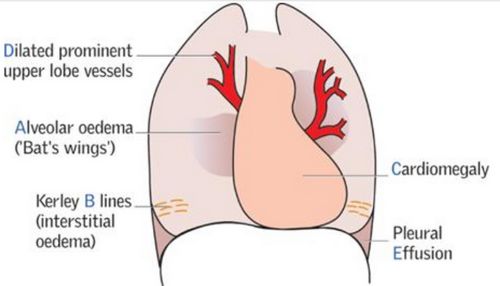
DEFINITION OF CARDIAC FAILURE It is a state in which there is: a. Forward failure: inability of heart to maintain cardiac output sufficient to meet the metabolic demands of peripheral tissues AND/OR b. Backward failure: ability to do so with elevated filling pressure PATHOGENESIS OF CARDIAC FAILURE 1. Myocyte loss…
Category: PGMEE, MRCS, USMLE, MBBS, MD/MS
Medical knowledge in bullet points with understandable language, simplified images and graspable mnemonics.
PGMEE, MRCS, USMLE, MBBS, MD/MS
Ebola Virus Disease
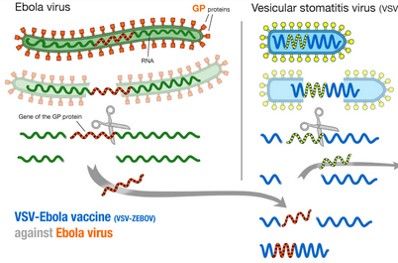
Author: Sulabh Kumar Shrestha, KISTMCTH The “Red Death” had long devastated the country. No pestilence had ever been so fatal, or so hideous. Blood was its Avatar and its seal—the redness and the horror of blood. There were sharp pains, and sudden dizziness, and then profuse bleeding at the pores, with dissolution. The scarlet stains…
PGMEE, MRCS, USMLE, MBBS, MD/MS
Bronchiectasis Revision Notes
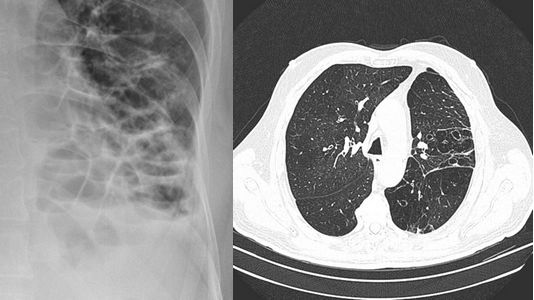
DEFINITION OF BRONCHIECTASIS Bronchiectais refers to the end-stage of variety of pathologic processes characterized by abnormal, irreversibly dilated thick-walled bronchi due to destruction of elastic and muscular components of bronchial wall. MORPHOLOGICAL CLASSIFICATION OF BRONCHIECTASIS Mnemonic: CVS 1. Cylindircal (Fusiform):
PGMEE, MRCS, USMLE, MBBS, MD/MS
Peripheral Neuropathy Made Easy
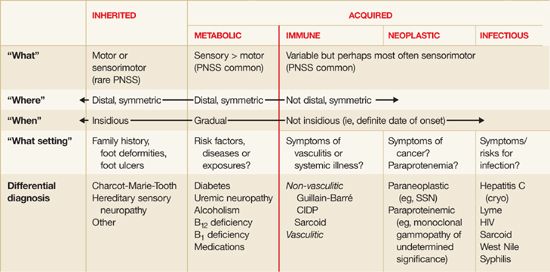
Step 1: What system is involved – motor, sensory, autonomic or mixed? a. Sensory involvement Positive neuropathic sensory symptoms (PNSS) – suggest Acquired polyneuropathy prickling, tingling, asleep like numbness Pain – suggest Small fiber neuropathy due to toxic, metabolic, ischemic or idiopathic cause electric shock, burning, freezing, tightness, throbbing, allodynia…
PGMEE, MRCS, USMLE, MBBS, MD/MS
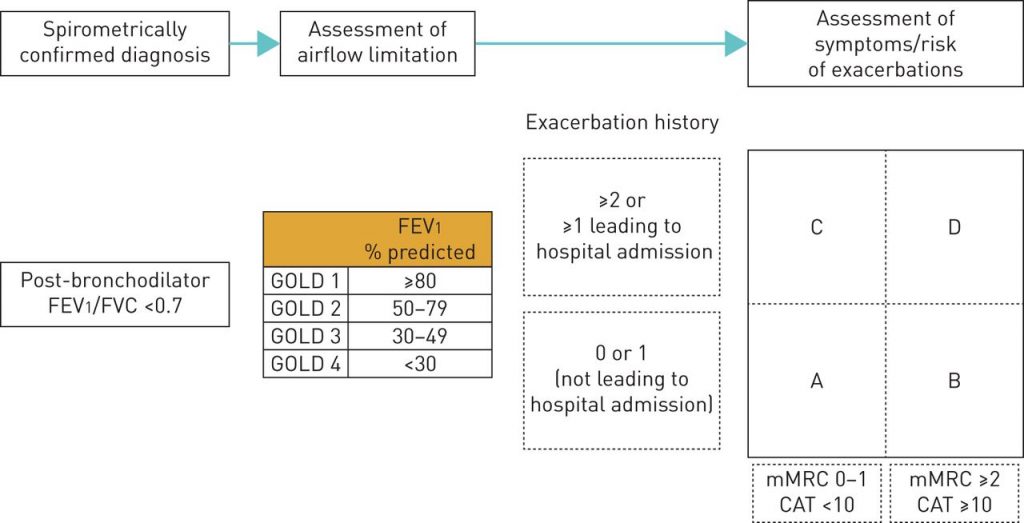
COPD Revision Notes
DEFINITION OF CHRONIC OBSTRUCTIVE PULMONARY DISEASE (COPD) According to GOLD, COPD is a common preventable and treatable (not curable) disease characterized by: Persistent airflow limitation (Post-bronchodilator FEV1/FVC < 0.7), usually progressive (excludes Asthma) Due to airway and/or alveolar abnormalities usually caused by significant exposure to noxious particles or gases. Chronic…
PGMEE, MRCS, USMLE, MBBS, MD/MS
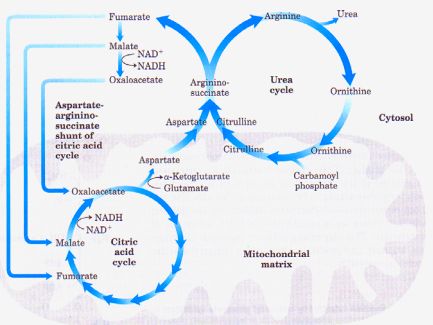
Urea Cycle and Defects with Mnemonics
Mnemonic for Urea Cycle Intermediates Orange Cola, Coffee, Alcohol of Argentina For Aggressive Urine Orange: Ornithine Cola: Carbamoyl Phosphate Coffee: Citrulline Alcohol: Aspartate (enters cycle) Argentina: Arginosuccinate For: Fumarate (leaves cycle) Aggressive: Arginine Urine: Urea (leaves cycle) Structure of Urea NH2-CO-NH2 (1 amide from aspartate and 1 from ammonia) Amide…
PGMEE, MRCS, USMLE, MBBS, MD/MS
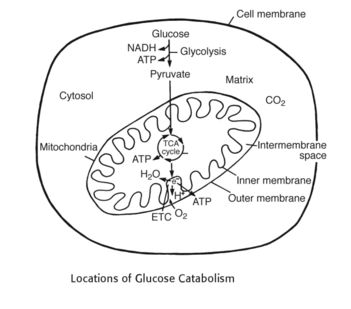
Electron Transport Chain (ETC) and Oxidative Phosphorylation : Mnemonic
General concepts of ETC and Oxidative Phosphorylation: 1. Occurs in cell cytosol: Glycolysis 2. Occurs in mytochondrial matrix: Kreb’s (TCA) cycle 3. Occurs in mitochondrial inner membrane: ETC – Stepwise movement of electrons from high energy to low energy that activates proton pump which transports proton from the mitochondrial matrix to mitochondrial inter-membrane and…
PGMEE, MRCS, USMLE, MBBS, MD/MS
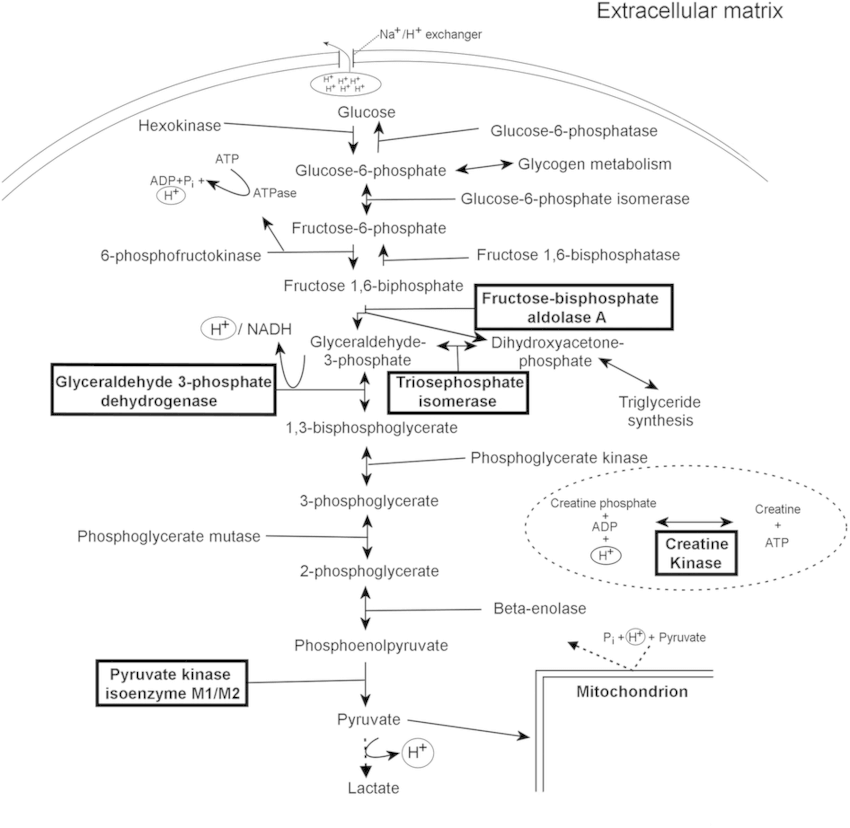
Glycolysis and Gluconeogenesis: Mnemonics
It is not necessary to memorize each and every step of the process. We will only look into the major events. A. Meaning: Glyco (Sugar) + Lysis (Breaking or splitting) B. Synonyms: Embden-Meyerhof Pathway (EM Pathway) C. Site: Cytoplasm D. Enzyme basics: Kinase: Adds or removes phosphate from substrate (uses…