Starting an antidepressant isn’t usually as simple as taking a pill and feeling better a few days later. Most people need time to find the dose that works best, and sometimes the first medication isn’t the right fit. That’s completely normal. The first few weeks often involve paying close attention to how your body and mind respond, and that information can make a real difference when it’s time to decide whether to continue, adjust, or change treatment.
Here’s the tricky part. Depression itself changes how you sleep, eat, think, and feel, so it isn’t always obvious whether a new symptom is part of the illness, a medication side effect, or simply a stressful week. Antidepressants don’t improve everything at once, either. Sleep or appetite may begin to change before mood lifts, while concentration and motivation can take even longer to improve. That’s why doctors usually encourage patience during the early weeks of treatment.
Memory
It’s surprisingly unreliable.
When your follow-up appointment arrives a month later, you’ll probably remember the worst days much more clearly than the ordinary ones. That’s just how our brains work. But treatment decisions shouldn’t depend on whichever experience happens to stick in your mind.
A simple symptom log tells a much more complete story. Maybe you felt nauseated for five days after increasing your dose, but then it settled down. Maybe your mood barely changed for two weeks before gradually improving. Or maybe your anxiety kept getting worse instead of better. Those patterns matter far more than one particularly good day or one particularly rough one.
That’s exactly why tracking symptoms can lead to better dose decisions. Your healthcare provider isn’t trying to judge your progress from a snapshot. They’re looking for the bigger picture.
So what should you actually keep track of?
Sleep is a great place to start. Some antidepressants make people sleepy, while others can make it harder to fall asleep at first. Writing down when you go to bed, how often you wake up, and whether you feel rested in the morning can reveal changes you’d otherwise miss.
Mood is just as important. Instead of asking yourself, “Do I feel better?” try rating your mood each day on a simple scale. You can also jot down things like anxiety, irritability, motivation, enjoyment of daily activities, or how easy it was to focus. Depression affects much more than sadness, and seeing those different pieces improve over time can actually be encouraging.
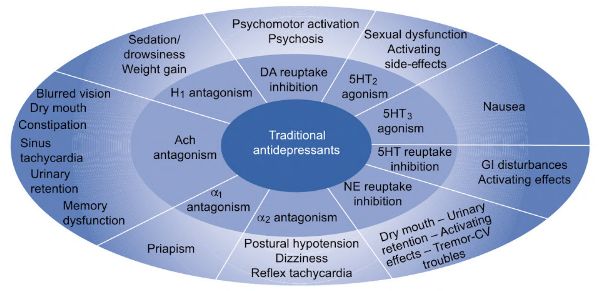
Then there are the physical side effects. Nausea, headaches, dry mouth, dizziness, sweating, stomach upset, appetite changes, weight changes, and sexual side effects are all fairly common, especially early on. Different antidepressants have different side-effect profiles, so noticing when symptoms appear, how severe they are, and whether they’re getting better gives your clinician useful information instead of guesswork.
You don’t have to turn it into a full journal, either. A few notes about missed doses, exercise, alcohol or caffeine, or particularly stressful days can provide helpful context. Sometimes what looks like a medication problem turns out to be something else entirely.
Over time, those small daily entries become surprisingly valuable.
A month of notes often shows things you wouldn’t notice otherwise. Maybe your mood is slowly climbing even though you still have difficult days. Maybe your insomnia only happens after a dose increase. Or maybe the side effects haven’t improved at all, which is something worth discussing with your doctor.
Those trends make conversations during follow-up visits much more productive. Instead of saying, “I think it’s helping… maybe?” you have a clear record to look at together.
Paper journals certainly work, but they’re easy to forget about. That’s one reason digital tools have become so useful. Logging symptoms on your phone takes only a minute or two, and it’s much easier to review weeks of information when everything is organized in one place.
A dedicated antidepressant side effects tracker like Claro is built specifically for this. It lets people record changes in mood, sleep, medication adherence, and physical side effects between appointments, making it easier to spot patterns and giving healthcare providers better information when deciding whether a medication or dose is working.
Finding the right antidepressant is often a gradual process rather than a quick fix. Good decisions depend on good information. Keeping track of your sleep, mood, and side effects won’t replace your healthcare provider’s judgment, but it does make those conversations far more informed. And sometimes that’s exactly what’s needed to move from “I’m not sure it’s working” to a treatment plan that’s genuinely helping.