If you work in aesthetic medicine, you likely already know how quickly the field moves. New products, evolving techniques, and changing patient expectations can make it challenging to keep up with everything. However, you need to know exactly what you are putting into your patients’ bodies and where it came from.
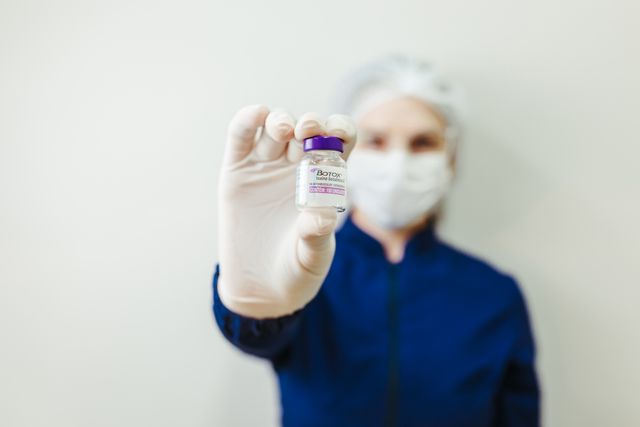
Traceability is the foundation that lets you practice with confidence and respond quickly when something needs attention. In this guide, we’ll walk you through a few reasons why traceability matters and how you can build it into your everyday routine.
1. You Can’t Protect Patients From What You Can’t Track
Traceability gives you the ability to pull up that information in seconds instead of scrambling through disorganized records. This matters even more when a manufacturer issues a recall. You need to know immediately whether the affected batch touched your clinic, and if it did, which patients received it. Without a reliable tracking system, you are left guessing, and guessing isn’t good enough when patient safety is on the line.
When you are researching product backgrounds or trying to understand documentation standards across different suppliers, having a reliable starting point helps. Resources like Dermabkk Aesthetic Hub can give you a general reference for how aesthetic products are typically documented, which is useful when you are building your own verification habits.
2. Documentation Is Your Safety Net
Every product you use should have a clear record attached to it, and that record should follow the patient’s file for as long as it’s relevant. Here’s what a solid documentation habit usually includes:
- Product name, manufacturer, and lot number
- Expiration date at the time of use
- Storage conditions leading up to administration
- Date, time, and the provider who administered the product
- Any observed reactions, even minor ones
When you keep these details consistent across every patient, you are creating a resource you can look back on if a pattern emerges, like a specific batch causing more irritation than usual. Over time, this kind of record keeping can even help you spot which suppliers are more reliable than others, which is information you can’t get any other way.
3. Authenticity Checks Should Be Routine Rather Than Reactive
If you are only checking authenticity when something looks off, you are already too late in some cases. The safer approach is to make verification a routine part of receiving new stock. Here are a few things worth checking every time:
- Packaging details match what the manufacturer describes
- Lot numbers correspond to your supplier’s paperwork
- The product came through an authorized distribution channel
- Seals and tamper indicators are intact
Building this into your intake process means it becomes second nature rather than an extra task you have to remember. It also means that if something looks off, you will notice right away instead of weeks later.
4. Transparency Builds Trust With Your Patients
Being transparent means being ready to explain, in plain terms, what a product is, why you chose it, and how you verified if it’s legitimate. This kind of openness tends to make patients more comfortable and more likely to trust your recommendations going forward.
This also applies to how you handle questions you can’t fully answer. If a patient asks something you are not sure about, telling them you’ll check and follow up is far better than guessing. Patients tend to remember honesty more than they remember a perfect answer on the spot.
5. It Protects You Just as Much as It Protects Patients
If a dispute ever arises, whether it’s a complaint, a review, or something more serious, your documentation is what backs you up. Without it, you are relying on memory, and memory isn’t reliable months or years later. Here’s what a strong traceability system does for you directly:
- It gives you a defensible record if questions arise later
- Speeds up your response time during recalls or safety alerts
- Reduces the chance of using expired or compromised products
- Makes audits and inspections far less stressful
- Helps you identify which suppliers consistently meet your standards
None of this requires expensive software or a complicated overhaul. It often means being consistent about logging the same details every single time with no exceptions. The clinics that struggle with this usually aren’t lacking the tools; they are lacking the habit.
6. Good Habits Start With Training, Not Just Policy
Take the time to walk your team through the reasoning behind each step, not just the steps themselves. When people understand that a missed lot number could mean a delayed response during a recall, they are more likely to take the habit seriously.
Revisit training periodically, especially when you bring on new products or switch suppliers, so the whole team stays aligned. Even 10- or 15-minute refresher sessions tend to keep these habits sharp without eating into your schedule.
7. Staying Current With Regulatory and Industry Standards
Regulatory bodies update their guidance, manufacturers change their documentation formats, and industry best practices shift as new products enter the market. If you are working off standards from a few years ago, you might be missing steps that are now considered essential.
Set aside time, even quarterly, to check whether anything has changed in how your region regulates aesthetic products. Follow professional associations, subscribe to manufacturer updates, and talk to colleagues about what they are doing differently. Staying current isn’t glamorous work, but it’s what keeps your traceability system from quietly falling behind while you assume it’s still up to standard.
8. Traceability Helps Prevent Product Waste
Good traceability does more than support patient safety. It can also help you manage your inventory more efficiently. When every product is properly recorded, your team has a clearer picture of what is in stock, when it expires, and which batches need to be used first.
This can be especially useful for aesthetic products with limited shelf lives or specific storage requirements. Without accurate records, products can get pushed to the back of a storage area and eventually expire before anyone notices. This means money is lost, and usable inventory may have to be discarded.
A consistent tracking system makes it easier to follow expiration dates and rotate stock appropriately. It can also show which products are being used frequently and which ones tend to sit unused.
Over time, these insights can improve purchasing decisions. Instead of ordering based on assumptions, you can look at actual usage patterns and adjust your inventory accordingly. This helps reduce unnecessary waste while making sure commonly used products are available when patients need them.
9. Traceability Makes Incident Response Faster
Problems can still happen, even with careful screening and storage. A patient may report an unexpected reaction, or a manufacturer may issue a recall. When that happens, traceability helps you respond quickly.
With accurate records, you can identify the product, check its lot number, determine when it entered the clinic, and find which patients received it. This saves valuable time and prevents your team from searching through scattered records or relying on memory.
The goal isn’t to create more paperwork, but rather to make important information easy to find when it matters most. When records are organized in advance, your team can focus on managing the situation rather than trying to reconstruct what happened.
Endnote
Traceability is about being able to answer the questions that matter most, quickly and accurately, when it counts. From tracking every batch and checking authenticity, to staying current with changing standards, each piece works together to protect your patients, your practice, and your peace of mind.
The clinics that treat traceability as a daily habit rather than an occasional task are the ones that handle problems smoothly when they come up, and problems always come up eventually. Build the habit now, keep it consistent, and revisit it often, because standing still is often how good systems quietly fall behind.