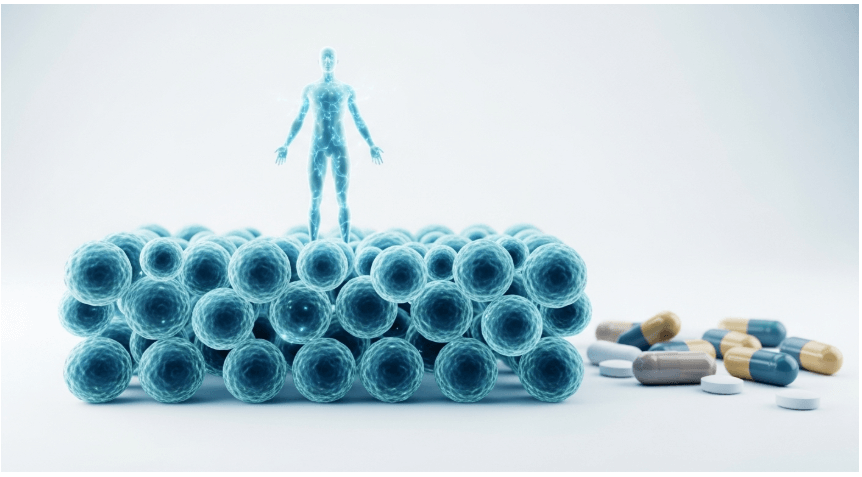
Medical waste represents a distinct, unavoidable reality of modern healthcare. Every day, from bustling metropolitan hospitals to quiet rural clinics, healthcare organizations generate a significant volume of materials that require careful handling. When managed correctly, this waste poses little threat. Improper disposal creates severe consequences for public health, environmental safety, or the healthcare organizations themselves.
Understanding the intricacies of medical waste management is not just about checking boxes for regulatory compliance. It serves as a fundamental aspect of protecting communities. With over 45 years of experience in the industry, seasoned experts know that navigating the complexities of waste streams requires a thorough, knowledgeable approach. The stakes are high, and the margin for error is incredibly slim.
The Direct Link Between Waste and Public Health
Healthcare facilities produce many types of waste, ranging from general refuse to highly infectious materials. Regulated medical waste (RMW), which includes pathological waste and blood-soaked items, demands specialized handling. If these materials are not treated properly, they can quickly become vectors for disease transmission.
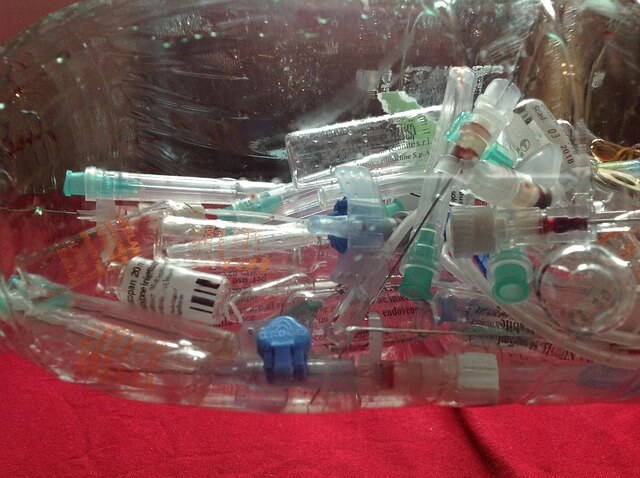
Consider the risks associated with improperly disposed sharps. A stray needle can cause needle-stick injuries, potentially transmitting bloodborne pathogens like HIV or Hepatitis B and C. This risk extends far beyond healthcare workers. Sanitation employees, janitorial staff or even the general public can be exposed if protocols fail. Ensuring that sharps are placed in rigid, puncture-resistant containers and treated with high heat is a critical step in breaking the chain of infection.
The environmental impact of medical waste cannot be overstated. When hazardous or infectious waste ends up in regular landfills, it can contaminate soil and groundwater. This contamination can eventually affect local water supplies, posing long-term health risks to surrounding communities. The environment is fragile, and the introduction of medical byproducts can disrupt local flora and fauna, leading to cascading environmental issues.
The responsibility falls squarely on the shoulders of medical facilities to ensure their waste does not become a public hazard. This requires a comprehensive understanding of what constitutes medical waste and the specific protocols required for its safe disposal.
Understanding Waste Categories and Disposal Methods
To manage waste effectively, organizations must first understand what they are dealing with. The specific types of waste generated in a medical setting dictate the required disposal methods. Misclassification can lead to dangerous mishandling and severe regulatory penalties.
- Regulated Medical Waste (RMW): This broad category encompasses items contaminated with blood or other potentially infectious materials. RMW must be treated with high heat to ensure all pathogens are destroyed before final disposal. This is the most common type of specialized waste generated by healthcare providers.
- Sharps: A specific subset of RMW, sharps include needles or syringes, as well as broken glass. They require rigid, puncture-proof containers. Even unused sharps must be disposed of in this manner to prevent accidental injury.
- Pharmaceutical Waste: This includes expired or unused medications. It is critical to distinguish between hazardous and non-hazardous pharmaceutical waste. Hazardous drugs require specific transportation and disposal protocols to prevent environmental contamination. Throwing these down the drain or into general trash is strictly prohibited.
- Pathological Waste: Items such as body tissues fall under this category. They require careful handling and treatment, often via high heat, to ensure safety and compliance. This type of waste carries significant biohazard potential and must be managed with the utmost care.
Each category requires a specific approach. Mixing waste streams not only violates regulations but can also exponentially increase disposal costs. A clear, well-understood sorting system is the first line of defense in effective waste management.
Navigating Regional Regulations and Compliance
Compliance with local and federal regulations forms the cornerstone of safe medical waste management. Organizations like OSHA and the EPA, alongside the DOT, set stringent guidelines to protect workers and the public. These regulations are not mere suggestions; they are strict legal requirements designed to prevent catastrophic health crises.
In Virginia, for example, the Department of Environmental Quality (DEQ) enforces specific rules regarding the storage and disposal of RMW. Small generators are limited to storing no more than 250 gallons of RMW at any time and must ensure its removal at least once a month. Large generators face even stricter timelines, requiring waste removal every 10 days [1]. Failure to adhere to these regulations can result in severe civil penalties. Fines can accrue daily for non-compliance, creating a massive financial liability for any organization that cuts corners.
For healthcare organizations in Richmond, partnering with a knowledgeable local provider is critical. Understanding the specific nuances of Richmond Medical Waste Disposal ensures that facilities remain compliant with both state DEQ requirements and broader federal mandates. Richmond, like many urban centers, has specific local ordinances that govern how medical waste is transported through city streets. A regional partner understands the local landscape and can provide tailored services that national competitors often cannot match. They know the specific routes, the local inspectors, and the unique challenges faced by facilities in the area.
The Importance of Professional Treatment
Treating medical waste is a highly specialized process. It is not enough to simply transport waste away from a facility; it must be rendered harmless. The goal is to completely neutralize any infectious agents before the waste reaches its final resting place.
Many waste removal companies act merely as middlemen, transporting waste to third-party facilities for treatment. This can increase costs and complicate the chain of custody. Every time waste changes hands, the risk of an incident increases. Providers that treat their own medical waste in-house offer a distinct advantage. By managing the entire process from pickup to final disposal, they can maintain strict quality control. This direct oversight also allows them to offer transparent, competitive pricing without hidden fees.
The standard method for neutralizing infectious waste is treatment with high heat, typically using an autoclave. This process subjects the waste to pressurized steam, effectively destroying all bacteria and viruses, as well as spores. Once treated, the waste is safe for final disposal in a sanitary landfill. The high-heat treatment is rigorously monitored and tested to ensure 100% efficacy. There is no room for error when dealing with potentially lethal pathogens.
Infection Control and the Broader Healthcare Safety Picture
Understanding medical waste management also requires a broader perspective on infection control within healthcare settings. The principles that apply to managing waste are closely tied to preventing surgical site infections. Both require strict adherence to hygiene protocols and a deep understanding of how pathogens spread. A contaminated scalpel or an improperly disposed dressing can quickly lead to an outbreak if not handled with precision.
Similarly, the handling of highly infectious diseases underscores the critical nature of waste management. During outbreaks of illnesses like Ebola Virus Disease, the proper disposal of contaminated materials is a primary defense mechanism against further transmission. The protocols developed for these extreme situations often inform the standard practices used every day in hospitals and clinics.
The total safety of the healthcare environment impacts everyone involved. As discussions around how California nurses are rethinking risk show, physical safety and exposure to hazardous materials are top concerns for frontline workers. Proper waste management is a direct response to these concerns, ensuring a safer workplace. When nurses and doctors know that the waste they generate is being handled safely, they can focus entirely on patient care.
Training and Education as a Pillar of Safety
Effective medical waste management does not happen in a vacuum. It requires ongoing education and training for all staff members involved in the generation, handling, or disposal of medical waste. This includes everyone from top-tier surgeons to the janitorial staff who clean the rooms.
Regular training sessions ensure that staff are up-to-date on the latest regulations and best practices. They learn how to properly segregate waste, how to safely handle sharps, and what to do in the event of a spill or exposure. This proactive approach minimizes risks and fosters a culture of safety within the organization.
Training also helps demystify the complex web of regulations that govern medical waste. When staff understand the “why” behind the rules, they are more likely to comply with them. This understanding transforms compliance from a burdensome chore into a shared responsibility for public health.
The Financial Implications of Mishandling Waste
Beyond the obvious health and environmental risks, improper medical waste management carries significant financial implications. Regulatory fines for non-compliance can be crippling, often reaching tens of thousands of dollars per violation. These fines can quickly accumulate, threatening the financial stability of even the most robust healthcare organizations.
The costs associated with remediating a spill or exposure incident can be astronomical. This includes cleanup costs, potential legal liabilities, and the unquantifiable damage to the organization’s reputation. Patients want to know that the facilities they visit are safe and responsible. A public scandal involving improperly disposed medical waste can erode trust and drive patients away.
Investing in a reliable, professional waste management partner is not just a regulatory requirement; it is a sound financial decision. It mitigates risk, ensures compliance, and protects the organization’s bottom line.
How Specific Waste Industries Helps Medical Organizations Stay Compliant
Navigating the complexities of medical waste disposal requires a trusted, experienced partner. Specific Waste Industries (SWI) has over 45 years of experience providing safe and compliant waste disposal solutions at competitive pricing. As a regionally owned and operated company, SWI offers personalized service plans tailored to the unique needs of each facility.
Because SWI treats its own medical waste, clients benefit from straightforward invoicing and the best possible pricing, with zero hidden fees. Whether a facility requires daily, weekly, bi-weekly, monthly, bi-monthly, quarterly, annual, or one-time pickups, SWI provides the flexibility needed to maintain compliance efficiently. Their primary goal is to ensure that healthcare organizations remain fully compliant with all regulations, protecting them from liability and safeguarding public health.
SWI’s commitment to compliance extends beyond simple waste removal. They offer comprehensive OSHA compliance training, ensuring that staff are fully equipped to handle medical waste safely. This holistic approach provides peace of mind, allowing healthcare providers to focus on what they do best: caring for their patients.
Frequently Asked Questions
What is the difference between regulated medical waste and general trash? Regulated medical waste (RMW) includes items contaminated with blood or other potentially infectious materials that pose a health risk. General trash includes non-infectious items like paper towels or food wrappers. RMW requires specialized treatment, such as high heat, before final disposal.
How often does medical waste need to be picked up? Pickup frequency depends on the volume of waste generated and state regulations. For example, in Virginia, large generators must have their waste removed every 10 days, while small generators must do so at least once a month.
Why is high-heat treatment necessary for medical waste? High-heat treatment, such as autoclaving, uses pressurized steam to destroy all pathogens, including bacteria and viruses. This process ensures the waste is rendered harmless and safe for final disposal in a standard landfill.