
Sugar has long been a well-known culprit when it comes to dental health. From childhood warnings to frequent dental check-ups, you’ve probably heard that consuming too much sugar can lead to tooth decay.
But what exactly does sugar do to your teeth, and how can you prevent the damage while still enjoying the occasional treat? Let’s break down the science behind sugar’s impact on your oral health and how you can manage it effectively.
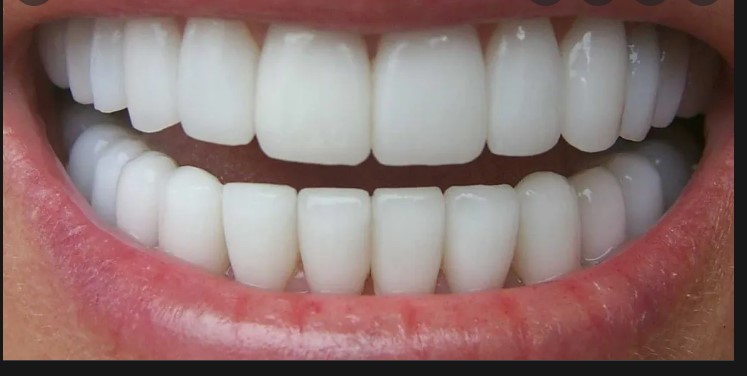
How Sugar Damages Your Teeth
It’s not the sugar itself that directly causes cavities, but rather how it interacts with the bacteria already present in your mouth. When you eat sugary foods or drinks, the bacteria feed on the sugar and produce acids. These acids attack the enamel—the hard, protective outer layer of your teeth—and over time, this weakens the enamel and creates small holes, also known as cavities.
The more sugar you consume, the more often your teeth are exposed to these acid attacks, which increases the likelihood of developing tooth decay. Even foods that are seemingly healthy, like fruit juices or granola bars, can contain high levels of sugar that contribute to this process.
How To Manage Sugar’s Effects On Your Teeth
Luckily, there are several ways you can manage the effects of sugar on your teeth and still enjoy your favourite treats in moderation. Here are some practical tips to protect your oral health:
1. Brush And Floss Regularly
One of the simplest ways to prevent sugar-related damage is to brush your teeth at least twice a day with fluoride toothpaste. Fluoride helps strengthen your enamel and makes it more resistant to acid attacks. Don’t forget to floss as well, as this helps remove sugar and food particles stuck between your teeth, where your toothbrush may not reach.
2. Limit Sugary Snacks And Drinks
While it’s tempting to reach for a sugary snack throughout the day, it’s better to limit how often you eat them. Constant snacking exposes your teeth to a steady stream of sugar, increasing the chance of decay.
If you do indulge, try to enjoy sugary foods or drinks during meals rather than between them. When you eat, your mouth produces more saliva, which helps neutralise acid and wash away sugar.
3. Drink Water Regularly
Water is your best friend when it comes to oral health. Not only does it help wash away sugar and food particles from your teeth, but it also keeps your mouth hydrated, which is essential for saliva production. Saliva plays a key role in protecting your teeth from acids and bacteria, so make sure to drink water regularly, especially after consuming sugary treats.
4. Consider Professional Treatments
If you’re concerned about the long-term effects of sugar on your teeth, consider professional dental treatments like fluoride treatments, sealants, or teeth whitening.
Harley Teeth Whitening is an excellent option if you want to restore the brightness of your smile, especially if sugar has left behind stains or discolouration. Professional treatments can help reverse some of the damage caused by sugar, leaving you with a healthier and more radiant smile.
Conclusion
Sugar may be a significant contributor to tooth decay, but with the right strategies, you can manage its impact and maintain strong, healthy teeth.
By brushing and flossing regularly, limiting sugary snacks, and considering professional treatments, you can enjoy the occasional sweet treat without compromising your smile.