Stable homes serve as the bedrock for a happy, fulfilling childhood. When children are exposed to environments that are unpredictable, unstable, or neglectful, many aspects of their well-being are put at risk. Emotional, physical, and psychological needs are all major parts of what comprises well-being, especially during key developmental periods like childhood. Wherever support systems for these are lacking, there will be consequences in development. Those already qualified with online MSW advanced standing programs would have an in-depth understanding of how an unstable home can massively impact a child. This article will take a look at different ways unstable homes cause these impacts and highlight specific pain points that can have long-term effects on overall growth.
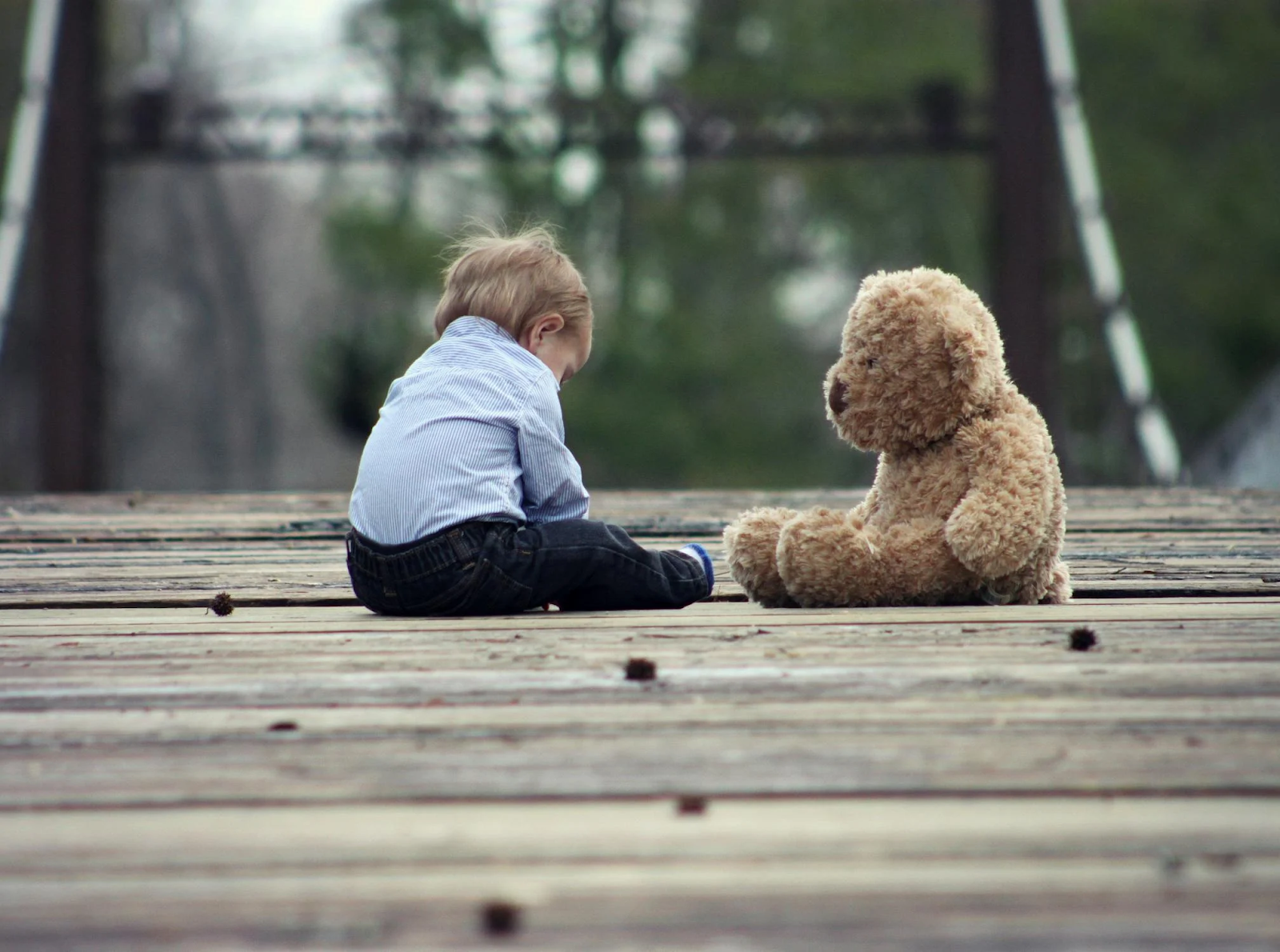
Emotional and Psychological Consequences
What is it about the white-picket-fenced suburb that is so magnetic to the American population? Some say it is its consistency and security. Children thrive on these qualities, as any worry about personal safety takes a back seat to open green spaces and militant neighborhood watches. If children are exposed to stress associated with lack of consistent housing or security for too long, it can manifest into different emotional and psychological struggles.
Anxiety and Depression
Children crave consistency in their upbringing. Constant moving, parental conflicts, or other stresses like financial difficulties can all be factors in developing these conditions during adolescence or later in life. Ever-present stress factors can give way to fear or constant alertness, which in turn leads to chronic anxiety. Additionally, children in these unstable environments can feel isolated with these feelings, especially if they have never been given the proper safe spaces to share their anxieties with responsible adults. This can exacerbate feelings of hopelessness in already difficult circumstances.
Difficulty Forming Attachments
Love and connection are part of the human experience. As a result, a stable, loving environment is necessary for children to model and form loving relationships with their caregivers from an early age. In unstable homes, this emotional support may be lacking and children can struggle to recognize healthy relationships and mimic them, which can result in attachment disorders that follow them later into their life.
Cognitive Development Impacts
Schooling makes up a majority of a child’s upbringing and is key for social and cognitive development. Children living in environments that are not stable can have difficulty concentrating and learning, affecting their ability to perform in academic settings and therefore succeed later in life.
Academic Challenges
If a child doesn’t have somewhere quiet to study at home, or a trusted guardian to assist them with a homework question, it can be immensely difficult to absorb material from the classroom. Mental space can be taken up by stresses of witnessing conflict at home or worries about relocations, both of which can exacerbate poor academic performance and sap any motivation to achieve at school. Unfortunately, these challenges can pose serious threats to a child’s future opportunities and intellectual growth.
Delayed Cognitive Skills
Falling behind and having to repeat grades at school as a result of an unstable home environment can have profound impacts on problem-solving and language development. These effects can have further consequences relating to a child’s ability to process information and think critically. Countless studies have shown that children need stability to grow and develop at a healthy pace.
Behavioral and Social Issues
Constant stress causes social problems as a result of continued exposure to uncertainty and stress, manifesting in aggression and antisocial behavior which can present a barrier to forming healthy relationships. These relationships are critical in a child’s development, as friendships and social cues are a mainstay of being a functional human. Loneliness can turn this disconnect into a vicious cycle, causing children to fall further and further behind in socio-cultural development which can lead to conflict.
An unstable home life has serious consequences that snake their way into every aspect of a child’s life. No part of development is untouched by instability, and its consequences do not end when the child reaches adolescence or adulthood. Early intervention is required to put children in environments where they are supported and cared for earnestly by guardians they can trust. As the saying goes, ‘children are the future,’ and their needs cannot be ignored in these situations.