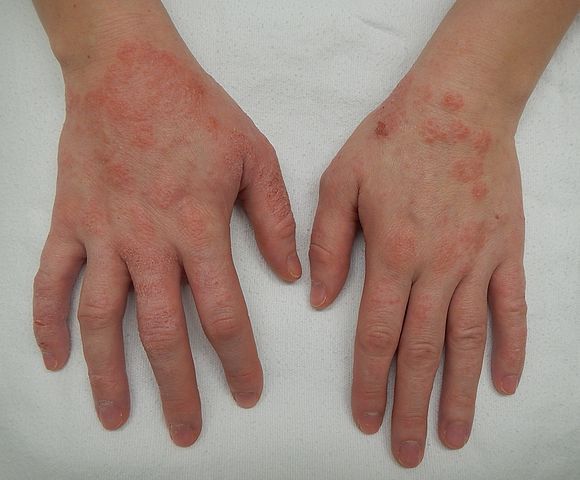
Eczema is common for young children, although some carry the skin condition into later life. Severe or persistent eczema can cause distress and embarrassment. It is one of the most tricky skin conditions to rectify and manage. However, that does not mean that all hope is lost. On the contrary, there are great products available, from deep-pore cleansers to Adaptic non-adhesive dressings.
The many products on offer can help relieve eczema, but only if you know what you are doing. Eczema cannot yet be cured, but you can do plenty of things at home to give your skin some relief.
Moisturize
Keeping your skin moisturized may sound too simple to have any real effect, but moisturizer combats many of the things that can aggravate your eczema. It protects your skin from irritants and helps minimize long-term damage to the texture of your skin. Some moisturizing products are more suitable for eczema-prone skin, so be sure to consider the type of products you are using.
Mild Temperatures
It’s a difficult thing to avoid, but even merely walking from a cold room into a warmer room can cause your eczema to flare up. Try to keep your home at a consistent temperature and use a humidifier to help keep your skin from drying.
Snappy, Cool Showers
Hot showers, in particular long ones, tend to dry out your skin and aggravate eczema symptoms. Lukewarm to cool showers are best. Avoid soaps and other projects that are perfumed or scented. When you are done showering, use a soft towel to dab the affected area. Do not rub dry. Before your skin starts to dry completely, apply moisturizer.
A Clean Home
Struggling with eczema has nothing to do with how you keep your home. A dusty or unkempt home can, however, aggravate the symptoms you face. Keep your home spotless and take extra measures to keep it dust-free where possible.
No Scent For Your Clothes
Don’t use scented laundry products. The perfumes used in these products can inflame and irritate your skin. This can cause outbreaks and flares. Use a gentle and scent-free product, and cut the cleaning products you add to the bare minimum. The fewer products you have to use, the less risk for irritants.
Flowy Clothes
Don’t wear skin-tight clothing. Wearing loose or ‘baggy’ clothing allows airflow next to your skin. It also avoids friction and chaffing, the two worst things you can do to affected skin. Natural fabrics like cotton are better options. Avoid knitted wool clothing and any materials that make you itch.
Over The Counter Treatments
Some people who suffer from eczema find relief when using over-the-counter antihistamines. Keep in mind that these may cause drowsiness. Loratadine is a non-drowsy option that you can try out when you know that you need to be awake.
Cool Wet Cloths
A moist cloth can provide relief and help your skin absorb moisture and topical treatments. To further aid the absorption of topical medications, you should use a thin cloth moistened in warm water. This opens the pores and allows the medication to be easily absorbed.
There are various causes of eczema, as even diet can influence flare-ups. However, how you manage your skin can help reduce the severity and frequency of eczema breakouts.