Family Nurse Practitioners (FNPs) play a vital role in the healthcare system by providing patient-centered, comprehensive care across the lifespan. Trained in both primary care and disease prevention, FNPs work with individuals and families to manage chronic conditions, treat acute illnesses, and promote healthy lifestyle choices. With the demand for primary care providers rising, the FNP role continues to grow as a practical and impactful career path for registered nurses seeking advanced practice opportunities.
FNPs are licensed advanced practice registered nurses (APRNs) who assess, diagnose, and treat patients much like physicians do. They are authorized to prescribe medications, order diagnostic tests, and create treatment plans. In addition to medical care, FNPs focus heavily on education, counseling, and preventive services—making them trusted healthcare partners for families and communities alike.
Why Become an FNP?
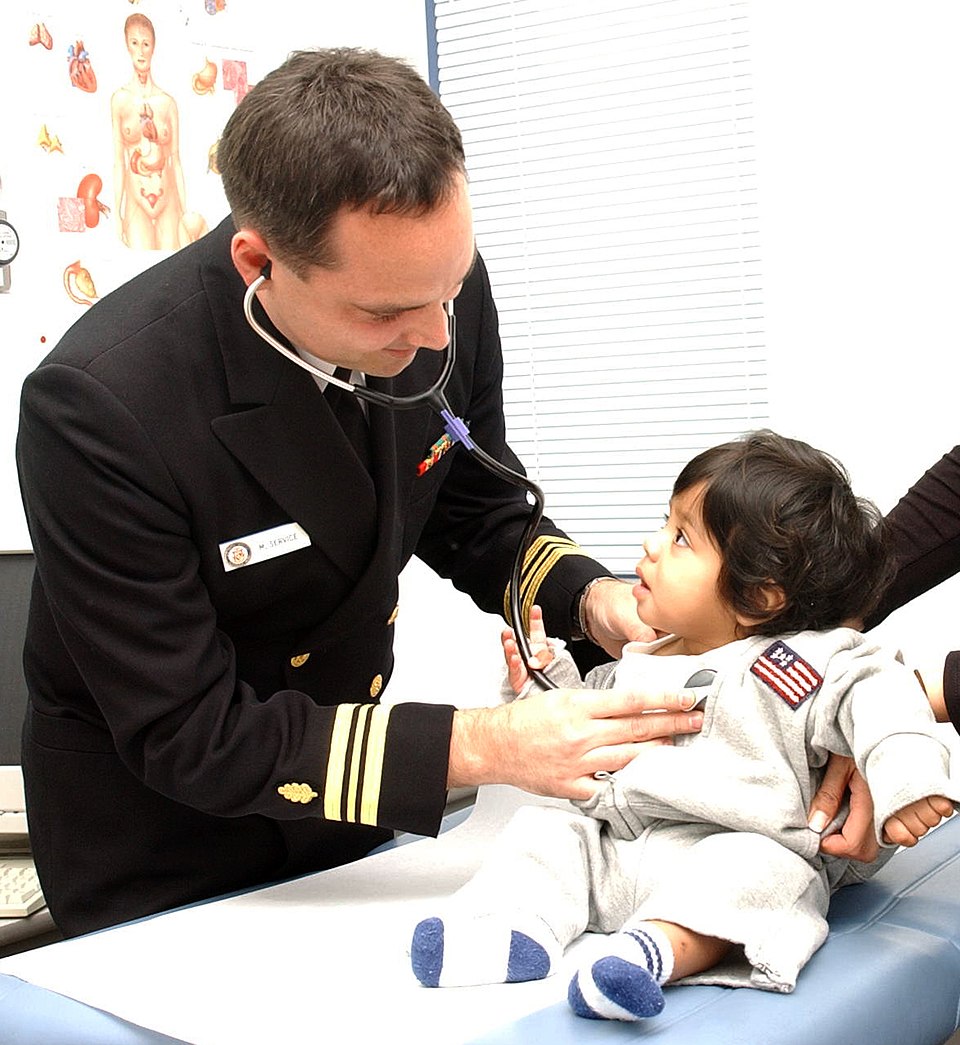
One of the main reasons RNs pursue the FNP path is the ability to work independently and build long-term relationships with patients. FNPs often serve as the first point of contact in healthcare settings such as family practices, community health clinics, school-based centers, and even telehealth platforms. They provide care to all age groups, from infants to seniors, making their expertise broad and essential.
Beyond clinical versatility, FNPs enjoy strong job prospects and competitive salaries. As physician shortages persist—especially in rural or underserved areas—FNPs are stepping in to meet the growing need for primary care providers. Their training prepares them to deliver high-quality care in a variety of settings, contributing significantly to improving access and outcomes in healthcare delivery.
Education and Training
To become an FNP, a registered nurse must earn a Master of Science in Nursing (MSN) or Doctor of Nursing Practice (DNP) degree with a concentration in family practice. These graduate-level programs cover advanced topics such as pharmacology, health assessment, pathophysiology, and evidence-based practice. Students also complete clinical rotations under the supervision of experienced preceptors in family medicine or related fields.
For many nurses, enrolling in fnp online programs offers a flexible route to earning this advanced degree while continuing to work. Online education enables students to complete coursework remotely and arrange clinical experiences in their local communities. This format helps maintain work-life balance while still gaining the academic and clinical preparation needed for certification and licensure.
Certification and Career Outlook
After completing an accredited program, graduates must pass a national certification exam through organizations such as the American Nurses Credentialing Center (ANCC) or the American Association of Nurse Practitioners (AANP). Once certified, FNPs can apply for state licensure and begin practicing.
The outlook for FNPs is extremely positive. The U.S. Bureau of Labor Statistics projects that employment for nurse practitioners will grow much faster than average over the coming decade. As more healthcare organizations adopt team-based care models, FNPs are expected to play an increasingly central role in patient care.
Choosing one of the many quality fnp online programs can be a smart and strategic step toward a rewarding, impactful, and future-focused nursing career.