Most people would agree having a back injury can be one of the most painful injuries any human could have. Spinal injuries can not only be extremely painful, but also very difficult to fix.
There are many variations of spinal injuries as well as many different cures and remedies, for more information on them have a look at the website spine-ctsi.com
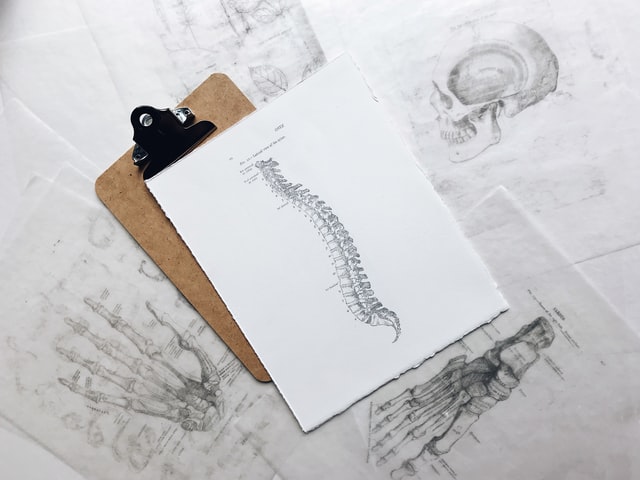
Let’s have a look at some of the most common spinal injuries.
Incomplete Spinal Injury
These types of injuries are a lot more common than complete spinal injuries, which we will talk about below. The easiest way of explaining an incomplete spinal injury, is that there is still some feeling and sensory function below and around the affected area of the back.
Although this type of injury is still very painful and has many complications, it is not as serious as having a complete spinal injury.
Complete Spinal Injury
This is probably the most serious type of spinal injury anyone can have. Unlike an incomplete spinal injury, this type of back injury means all the nerves below the injury are not working and are longer able to communicate and send signals to your brain.
This leads to paralysis which means you will be unable to move one or more parts of the body. This time of injury will take a lot of rehabilitation sometimes up to eighteen months. A lot of hard work and determination is needed to recover from this type of injury, and sometimes not all functions of the body will return.
Muscle Strains
Although not a serious long-term injury compared to the above, back muscle strains can be a nuisance. Although many doctors will recommend resting a muscle strain on the back it is also important to keep using the muscle and not to let it get too stiff as this will result in the muscle taking even longer to repair.
Taking medicine such as pain relief tablets can help with this type of injury but make sure you always consult a doctor or pharmacist beforehand.
Pinched Nerve
A pinched nerve can take place at various points in the body, including your lower back. It can be extremely painful and lead to some numbness and pins and needles in both your lower back and legs. The rest remedy for a pinched nerve can be anti-inflammatory medicine, heat and cold treatment and massages to help loosen the nerve.
Although this type of injury can rectify itself if the pain continues for a substantial time, more than two weeks, it is best to seek medical advice.
Adjusting your posture can also help with a pinched nerve, particularly if you find yourself not standing up straight.
Osteoporosis
Osteoporosis of the back is a condition in which the bones weaken over time which makes them become more fragile. Signs that you may have osteoporosis is constant back pain, a stooped/bent over posture, loss of height and any bones that seem to break more easily.
This is a very serious type of injury which can cause back pain that makes it incredibly hard to walk around, sit in a chair or even lift light objects.
Eating foods that are rich in calcium and vitamin D can be beneficial with combatting an osteoporosis injury as well as regular exercise. But this is a serious condition, and seeking medical advice is a must.
Aging
Unfortunately, as we all get older in age, we will start to experience more wear and tear on our body. After years of putting strain on your back it becomes inevitable with every year that passes there is more chance of you feeling back pains. Although there is no cure for getting older there are some things you can do to offset long term back and spinal injuries.
Keeping yourself as fit and active as possible is one option to help. Keeping those core muscle groups working so as not to become stiff will definitely help in the long term. Also keeping your BMI within your recommended target is a good idea, as the more weight you are carrying on your body the more strain you will be putting on your back.
Whatever the back pain you may be experiencing it is always recommended to seek out the best advice possible from a qualified medical expert. Back injuries can be life changing but with the right medicine and rehabilitation there is no reason that you will not recover fully and be back to your normal active life in no time at all.
Author: Dennis Hamming