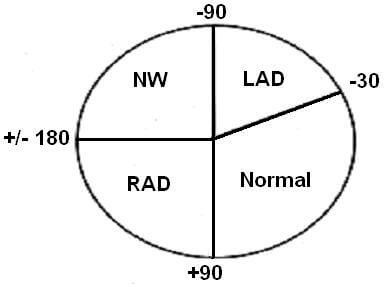
Lead I = left (0 degrees)Lead aVF = floor (90 degrees) Lead I +ve and Lead aVF +ve = Between 0-90 degrees (Normal axis) Lead I -ve and Lead aVF +ve = Between 90-180 degrees (Right axis deviation) Lead I +ve and Lead aVF -ve = Between 0 to -90…
Author: Epomedicine
PGMEE, MRCS, USMLE, MBBS, MD/MS
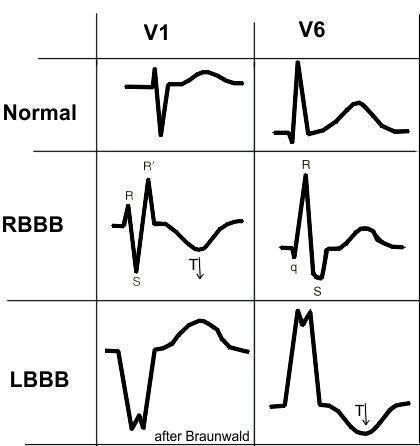
Bundle Branch Block : Mnemonic
If the QRS complex is wide (>0.12 s/>3 small squares), the ventricular activity may be arising from the ventricle conducting system. caused by a ‘bundle branch block’. WiLLiaM MaRRoW (classic mnemonic) Wi – V1LL – LBBBM – V6 M – V1RR – RBBBW – V6 ViLLheiM MaRRooN (more accurate) V…
PGMEE, MRCS, USMLE, MBBS, MD/MS
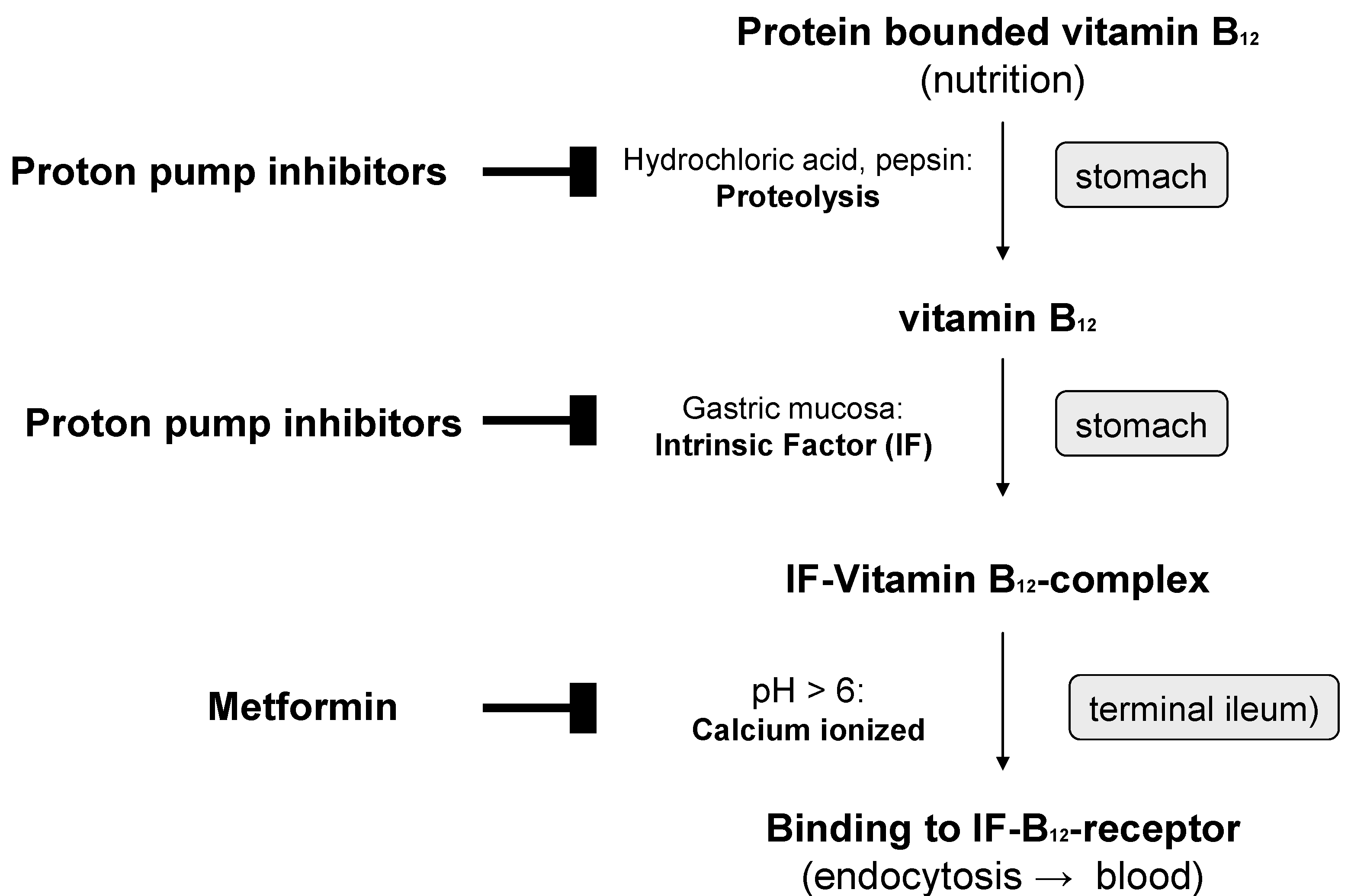
How Metformin Causes Vitamin B12 deficiency?
Multiple studies have shown that metformin reduces serum B12 levels in 10–30% of patients. The effect increases with the duration of the therapy. Decrease in vitamin B12 absorption and levels following metformin use typically starts as early as the 4th month. Mechanisms of Vitamin B12 deficiency with Metformin Use: It…
PGMEE, MRCS, USMLE, MBBS, MD/MS
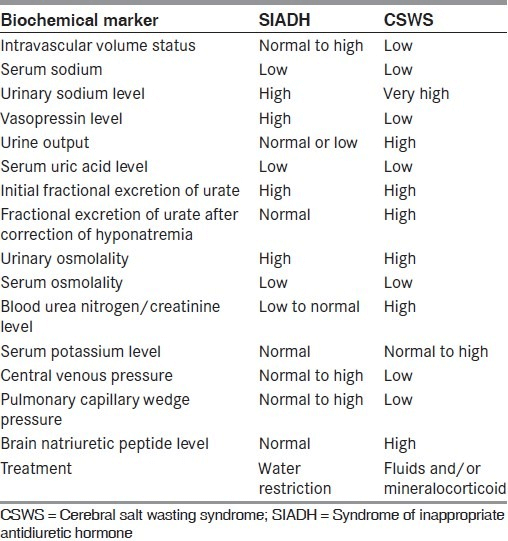
Hyponatremia : SIADH vs Cerebral Salt Wasting Syndrome
SIADH causes Mnemonic: SIADH Surgery Intracranial – Infection, Head injury, CVA Alveolar – Carcinoma, Pus Drugs – Opiates, Antiepileptics, Cytotoxics, Anti-psychotics Hormonal – Hypothyroid, Low corticosteroid level SIADH diagnostic criteria Mnemonic: SOD-IUM/S Serum Osmollity Decreased (<275 mOsm/kg) Increased Urine Molality/osmolality (>100 mOsm/kg) Increased Urine Sodium/Na+ (>40 Meq/L) Others: Euvolemic (Normal…
PGMEE, MRCS, USMLE, MBBS, MD/MS
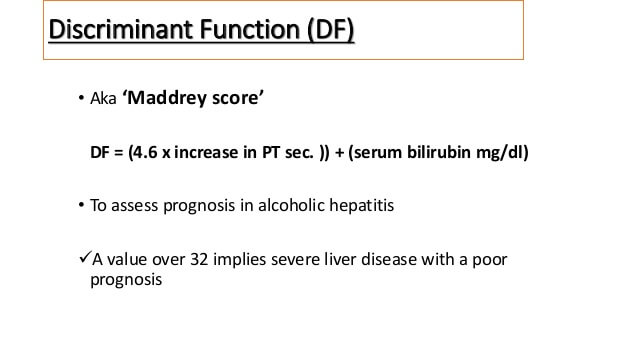
Maddrey Score (Discriminant Function) and Lillie Model : Alcohoic Hepatitis
The severity of alcoholic hepatitis can be assessed using a number of simple quantitative indices (Maddrey score, Meld score, Combined clinical and laboratory index). Of these, the Maddrey Discriminant Function (MDF) is the simplest. Maddrey score = 4.6 X (prolongation of prothrombin time above control in seconds) + Total bilirubin…
Emergency Medicine
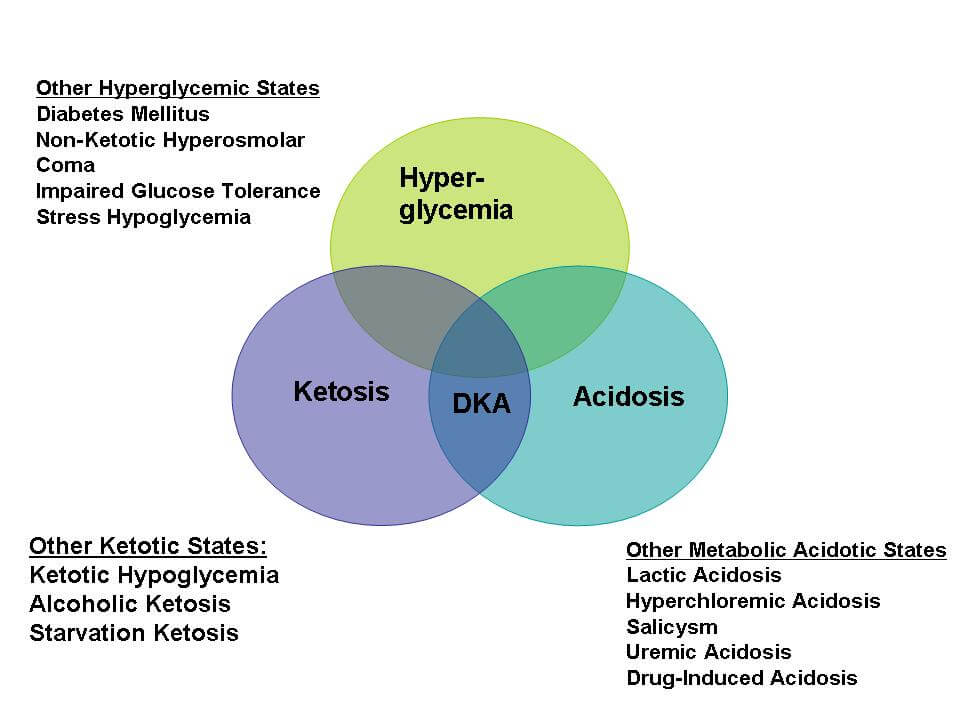
DKA : Mnemonic Approach and Clinical Aspects
Diagnostic criteria for DKA a. Plasma glucose (mg/dl): >250 b. Arterial pH: 7.25 to 7.3: mild DKA 7 to 7.24: moderate DKA <7: severe DKA c. Serum bicarbonate (mEq/L): 15 to 18: mild DKA 10 to 15: moderate DKA <10: severe DKA d. Urine and serum ketones (nitroprusside reaction): Positive…
Clinical Skills and Approaches
Hyponatremia Correction: Rules and Mnemonics
Corrected sodium level When hyperglycemia is present, the underlying sodium concentration (corrected sodium concentration) can be estimated by adding 1.6-2.4 mEq/L (average of 2 mEq/L) to the reported sodium concentration for every 100 mg/dl increase in plasma glucose above 100 mg/dl. E.g. In a patient with Na+ level, 145 and…
Clinical Skills and Approaches
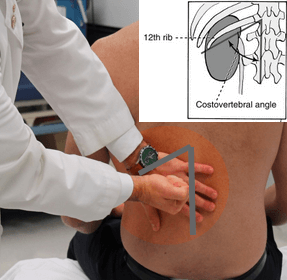
Costovertebral or Renal angle tenderness
Synonyms: Murphy’s kidney punch, CVA tenderness (CVAT) Anatomy of Costovertebral angle or Renal angle: Costovertebral angle is formed by the junction of the 12th, or lowermost, rib with the paravertebral muscles, which run parallel to and on both sides of the vertebral column. Eliciting costovertebral angle tenderness: Position of patient:…