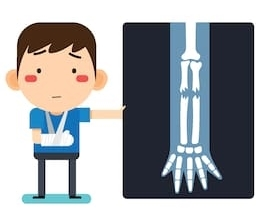
Children are not just mini-adults • Higher head to torso ratio: Head injury & Upper C-spine fractures • Light weight – projectile when struck • BSA to Wt. ratio – higher (rapid hypothermia) • Large cardiopulmonary reserves – normal SBP in significant hypovolemia Growth contribution by Proximal & Distal Physes…
Author: Epomedicine
Blog

DIY N95 Mask
With the ongoing pandemic of COVID-19, world is facing an acute shortage of surgical and respirator masks. And along with this “face mask movement“, globally “face mask making movement” has also started. Fabric materials may provide only minimal levels of respiratory protection against virus-size submicron aerosol particles (e.g. droplet nuclei)…
Emergency Medicine
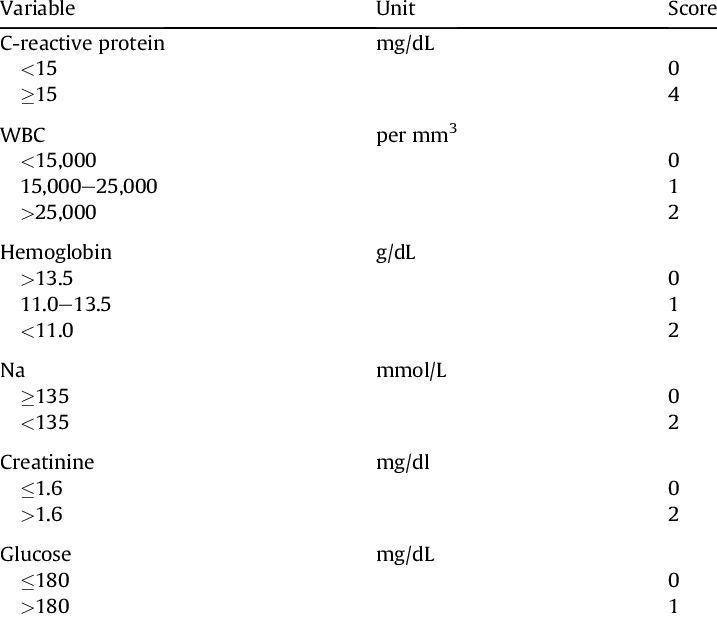
LRINEC score for Necrotizing fascitis – Mnemonic
The LRINEC (Laboratory Risk Indicator for Necrotizing Fasciitis) score is a tool to distinguish ordinary skin infections from necrotizing fasciitis. Mnemonic: NeC WASH Na level: <135 mmol/L: 2 points Creatinine: >1.6 mg/dl: 2 points WBC: <15,000/cu.mm: 0 points 15,000-25000/cu.mm: 1 point >25,000/cu.mm: 2 points Acute phase reactant (CRP): >/= 150:…
Clinical Skills and Approaches
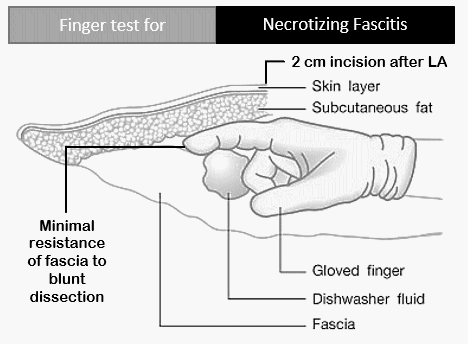
Finger test for Necrotizing Fascitis
Synonyms: Finger sweep test Finger test can be performed under Local anesthesia or General anesthesia in: Emergency department Bedside in wards Operation theaters Procedure: Area is infiltrated with local anesthetic A 2 cm test incision down to fascia is made in the suspected area The tissues are visually examined for:…
PGMEE, MRCS, USMLE, MBBS, MD/MS
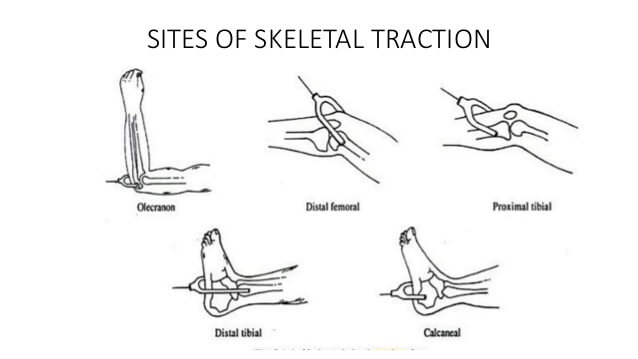
Skeletal Traction – Pin Insertion Sites
Site Point of insertion Direction Indications Olecranon (K-wire) 1.25 inches (3 cm) distal to olecranon tip – deep to subcutaneous border of upper ulna (avoids ulnar joint and open epiphysis) Medial to Lateral – At right angles to longitudinal axis of ulna (Avoids ulnar nerve) Supracondylar or Distal humerus fractures…
Clinical Skills and Approaches
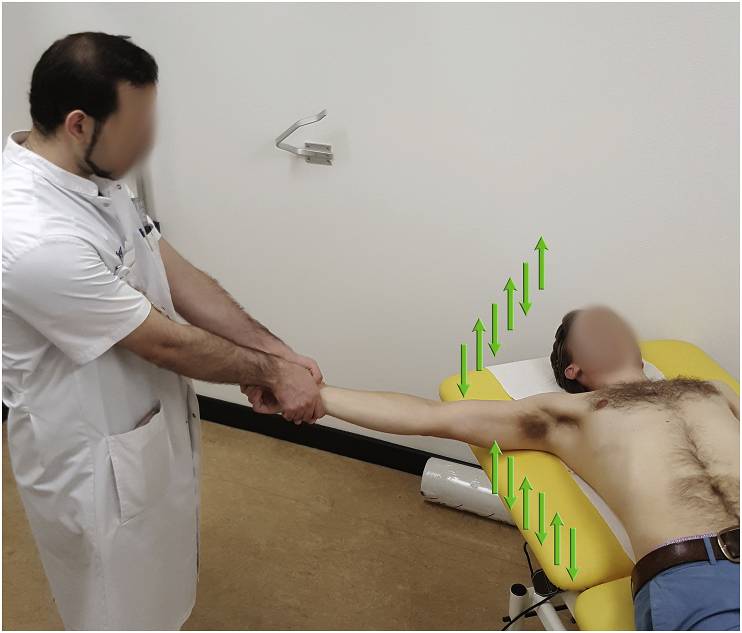
FARES method of Shoulder Reduction
Indication: Anterior shoulder dislocation Position of patient: Supine Position of physician: Standing on the side of the dislocated shoulder Steps: Physician holds the wrist of the patient with both the arms keeping elbow of the patient extended and forearm in neutral position Arm is slowly abducted in brief oscillating movement…
PGMEE, MRCS, USMLE, MBBS, MD/MS
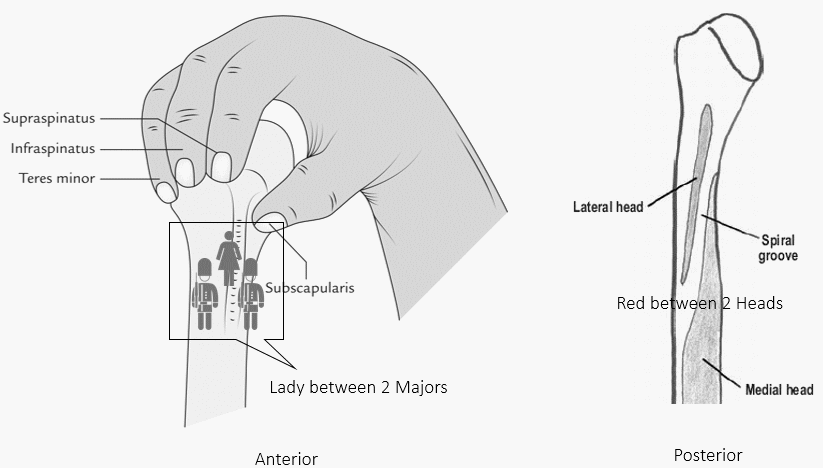
Shoulder Muscles Anatomy – Simplified
Proximal humerus Insertion of Rotato Cuffs Mnemonic: SIT-S a. Greater tubercle: Supraspinatus, Infraspinatus, Teres minor b. Lesser tubercle: Subscapularis Attachment of Other muscles Anteriorly and posteriorly the muscles attach on each side of the depressions (groove and sulcus). a. Anteriorly: Insertion of 3 muscles Mnemonic: Lady between 2 Majors Crest…
PGMEE, MRCS, USMLE, MBBS, MD/MS
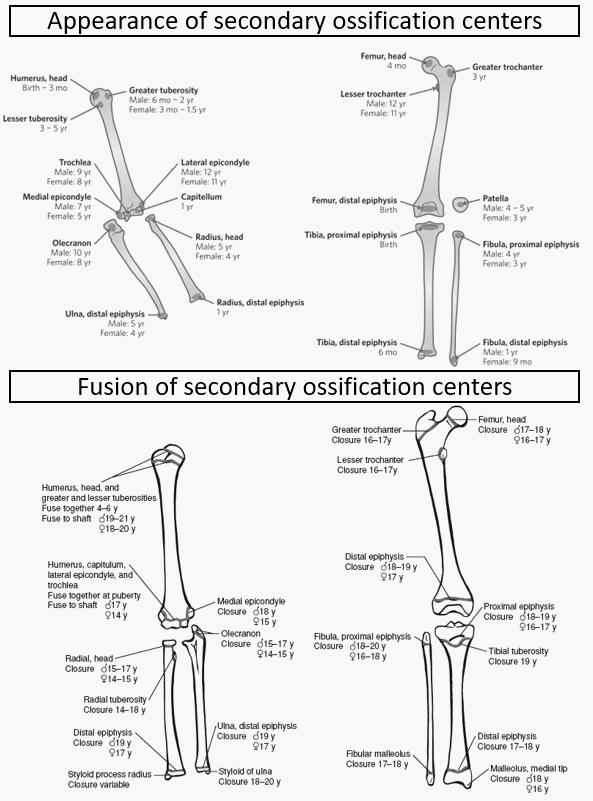
Appearance and Fusion of Ossification Centers
Upper end of humerus Mnemonic: HGL – 1,3,5 a. Head – by 1 year b. Greater tuberosity – by 3 years c. Lesser tuberosity – by 5 years All 3 centers fuse together by 6 years (1 year after the last center appears) Upper end of femur Mnemonic: HGL –…