Skip to content
Epomedicine

Mnemonics, Simplified Concepts & Thoughts

Epomedicine

Mnemonics, Simplified Concepts & Thoughts

strawberries

Strawberry in Medicine

Epomedicine, Feb 13, 2017May 30, 2020

Strawberry in past has been mentioned in medicinal uses. This garden fruit is eponymoous to several important clinical signs in medicine. The list below is not a new one but a recompilation.

strawberries

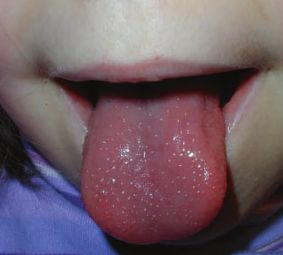
Strawberry tongue: Surface of the tongue is coated with a thick white fur, through which protrude bright red papillae (hyperplastic fungiform papillae).

  1. Scarlet fever
  2. Kawasaki disease
  3. Toxic shock syndrome

strawberry tongue

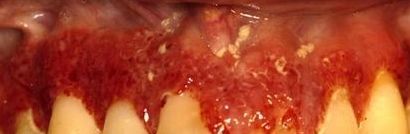
Strawberry gums (gingivitis): Reddish-purple exophytic gingival swellings with petechial haemorrhages thus resembling strawberries

  • Most characteristic oral lesion of Wegner’s granulomatosis
strawberry gums

Strawberry skull: Flattening of occiput and pointing of frontal bones giving resemblance to a shape of strawberry in antenatal ultrasonography.

  • Trisomy 18 (Edward’s syndrome)
strawberry skull
From fetalultrasound.com

Strawberry hemangioma or nevus: Bright red and sticks out of the skin, so it does look a little bit like a strawberry.

  • Superficial infantile hemangioma (Capillary hemangioma)
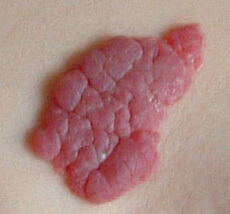
strawberry hemangioma

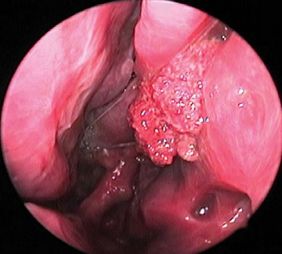
Strawberry-like mullbery mass in nose:  Friable, vascular polyp, which may be pedunculated or sessile and the surface is studded with tiny white dots from spores beneath the epithelium.

  • Rhinosporidiosis

strawberry nasal mass

Strawberry skin (Strawberry like nasal mucosa): Tiny pale granulomas dotted about on the reddened mucosa.

  • Sarcoidosis

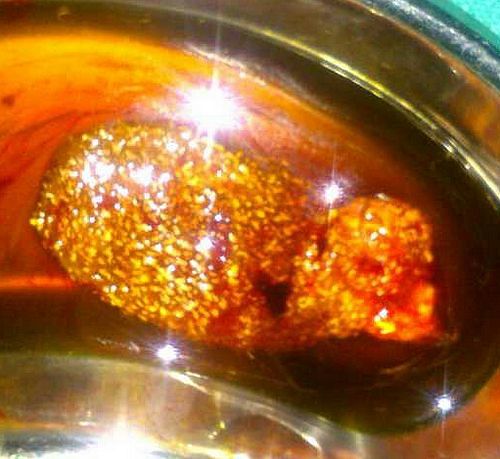
Strawberry gallbladder: Brick red mucosa of gallbladder speckled with bright yellow nodules (lipid and cholesterol).

  • Cholesterosis of gallbladder

Strawberry gallbladder

Strawberry cervix: Microscopic, multiple punctate haemorrhages of the cervix.

  • Trichomoniasis (Trichomonas vaginalis)
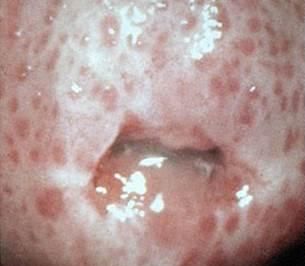
strawberry cervix

Strawberry lesions in sigmoidoscopy: Borrelia vincenti

Is strawberry still your favorite fruit? Please comment below.

  • Facebook
  • Twitter
Blog

Post navigation

Previous post
Next post

Related Posts

Blog empathy cartoon

Medical Humanities in Nepal

Jul 7, 2016Jan 16, 2017

The practice of medicine is an art, not a trade; a calling, not a business; a calling in which your heart will be exercised equally with your head. – Mark E Silverman Shapiro et.al. defined medical humanities  with characteristic features: Use of methods, concepts, and content from one or more…

Read More
Blog

Rapid Cooking Methods That Make Life Easy for Busy Doctors

Aug 27, 2024Aug 27, 2024

The daily hustle can leave you feeling overwhelmed, especially when juggling home chores, work, and personal life. You want to provide delicious, nutritious meals for your family, but time often slips away.  Try rapid cooking methods to transform your meal prep experience. These techniques will simplify your kitchen routine, letting…

Read More
Blog

Benefits of Collagen Powder for Skin Health

Apr 25, 2023Apr 25, 2023

As we age, our natural collagen production declines, leading to the formation of wrinkles and aloss of skin elasticity. Supplementing with collagen powder may help reduce the signs of agingby increasing collagen levels in the skin. Collagen powder has become a popular supplement recently, touted for skin health’s potentialbenefits. Collagen…

Read More

Comment

  1. Donald Rollins says:
    Jul 31, 2023 at 5:28 pm

    When will someone explain “strawberry” in a baseball context? If a player slid into the base, he would often develop a “strawberry” on his upper thigh or lower buttock….especially if he wasn’t wearing sliding pads. Obviously, the injury was an abrasion, but it often developed into something more like a wart or mole, with a distinctive strawberry-like (or raspberry) surface and colour.
    I’ve searched Google, without success. Ask any baseball player older than 60 and you will learn about strawberries. Yesterday, 30 July/23, on the TV broadcast of the Toronto Blue Jays/California Angels game, announcer Buck Martinez (who has been around baseball for 65 years) used the term after Mark Chapman had slid (slidden?) into 3rd base.

    Reply

Leave a Reply Cancel reply

Your email address will not be published. Required fields are marked *

This site uses Akismet to reduce spam. Learn how your comment data is processed.

Pre-clinical (Basic Sciences)

Anatomy

Biochemistry

Community medicine (PSM)

Embryology

Microbiology

Pathology

Pharmacology

Physiology

Clinical Sciences

Anesthesia

Dermatology

Emergency medicine

Forensic

Internal medicine

Gynecology & Obstetrics

Oncology

Ophthalmology

Orthopedics

Otorhinolaryngology (ENT)

Pediatrics

Psychiatry

Radiology

Surgery

RSS Ask Epomedicine

  • What to study for Clinical examination in Orthopedics?
  • What is the mechanism of AVNRT?

Epomedicine weekly

  • About Epomedicine
  • Contact Us
  • Author Guidelines
  • Submit Article
  • Editorial Board
  • USMLE
  • MRCS
  • Thesis
©2026 Epomedicine | WordPress Theme by SuperbThemes