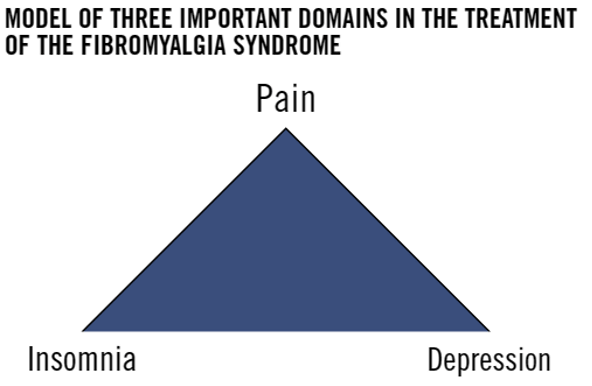
Clinical Features Mnemonic: FIBRO 1. Fatigue: 80-90% 2. Fibrofog: Dyscognition or Cognitive impairment e.g. trouble concentrating, forgetfulness, and disorganized or slow thinking 3. Insomnia: 90% 4. Blues: Depression and anxiety 5. Rigidity: Prolonged early morning stiffness not relieved by exercise and absence of synovitis 6. Ow!: Pain (the predominant symptom)…
Surgical Skills
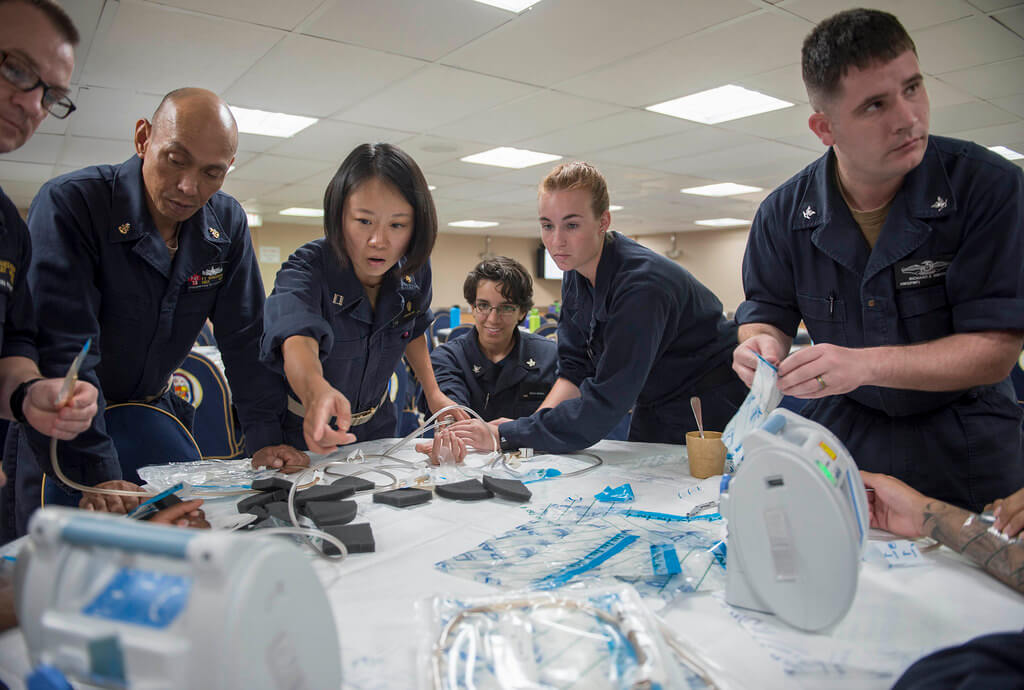
DIY Vac Dressing for Wounds
Pre-requisites for Vac Dressing Components of Vac Dressing 1. Pump for Negative Pressure: In a study, 3 closed suction drainage systems were studied – Davol Reliavac 400 Evacuator, Jackson-Pratt Closed Wound Suction Drainage System, and Snyder Hemovac 400. In all three systems, maximal negative pressures (-71 to -175 mm Hg)…
Blog

Top Tips to Increase Your Iron Intake
Iron deficiency affects around half a billion people worldwide. Lack of iron causes a condition known as iron deficiency anemia, which can lead to a range of symptoms. The most common signs of anemia include: Brittle nails Hair loss Heart palpitations Headaches Muscle weakness Pale skin Poor circulation Short-term memory…
Clinical Skills and Approaches
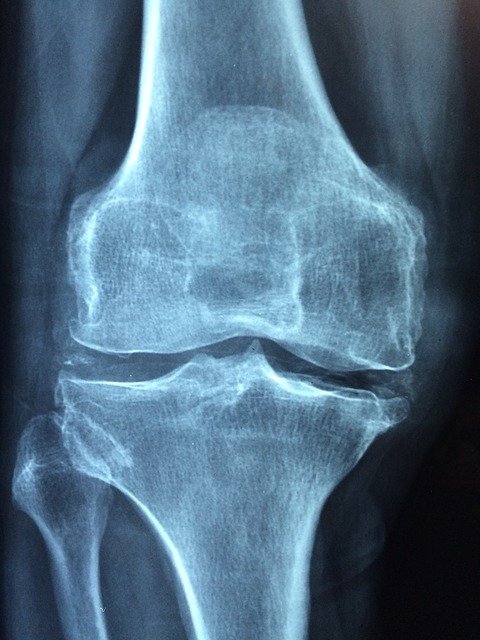
Mnemonic Based Approach to Joint Pain
Step 1: Arthralgia vs Arthritis Arthralgia Arthritis Symptom Diagnosis Joint pain without inflammation Joint pain with inflammation (swelling, redness, tenderness) Articular or Non-articular Articular Articular Non-articular Pain with all joint ROMs Pain with only some joint ROMs Most painful at the limit of joint ROM May not be most painful…
Blog
Common Eye Health Conditions and Treatments
Deterioration in eye health has become an accepted part of aging, and most of us will experience vision problems at one point in our lives. Some eye problems are irreversible and while others can improve with treatment. Catching an eye health condition in its early stages will maximize your chances…
Blog
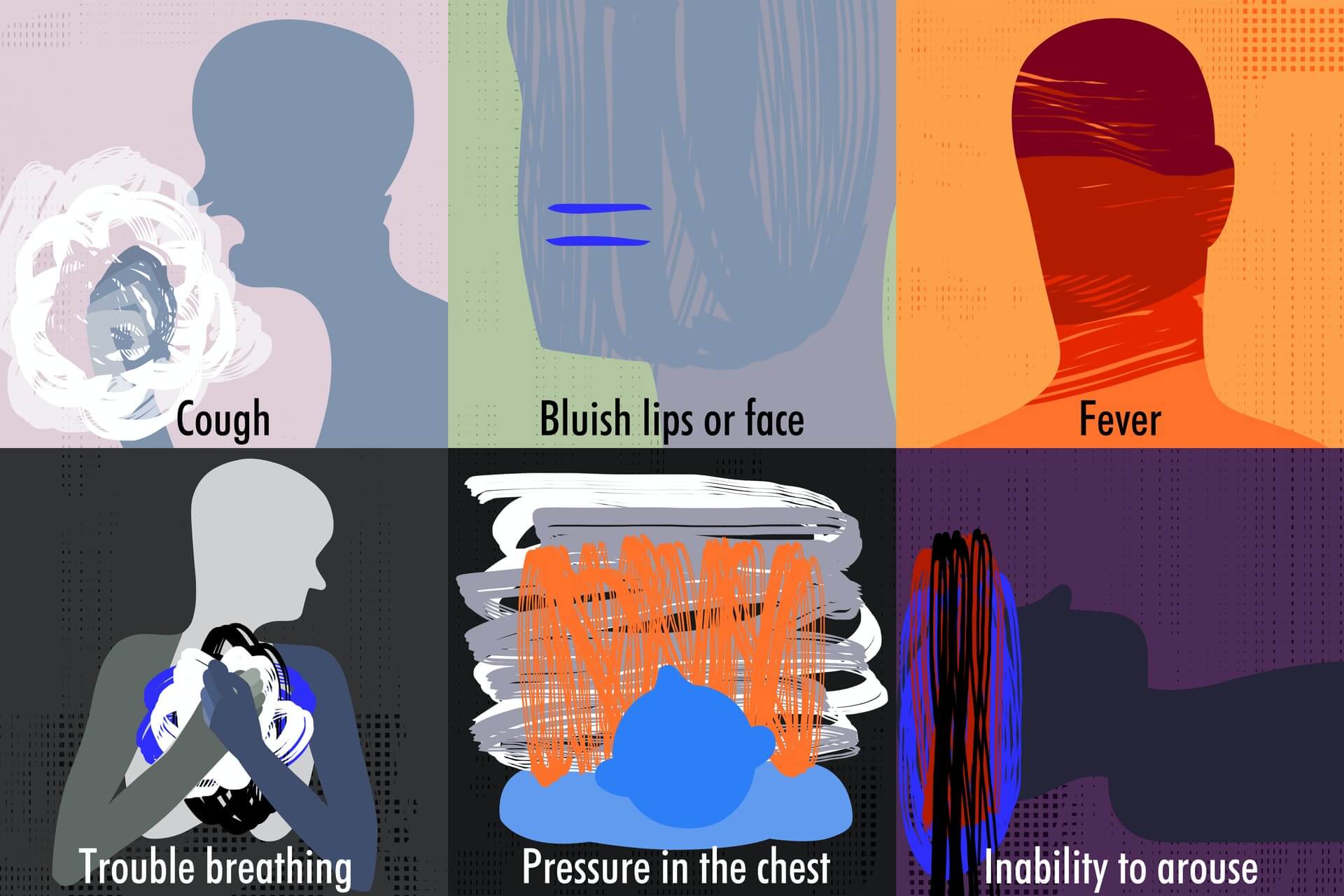
Does Saliva Cause Covid-19 Infection?
Saliva is an extracellular fluid produced and secreted by salivary glands in the mouth. In humans, saliva is composed of 98% water and 2% electrolytes, mucus, WBCs, epithelial cells, enzymes such as amylase and lipase. Saliva contributes to the digestion of food and maintenance of oral hygiene. It coats the…
USMLE
UFAP : the gold resource of USMLE Step 1
Since 2022 January, the scoring system of USMLE has been changed to Pass or Fail, over 3 digit numerical score result given previously, as announced by ECFMG on their website. The change has taken into effect. What student must know is, passing USMLE is not an easy thing, you need…
Clinical Skills and Approaches
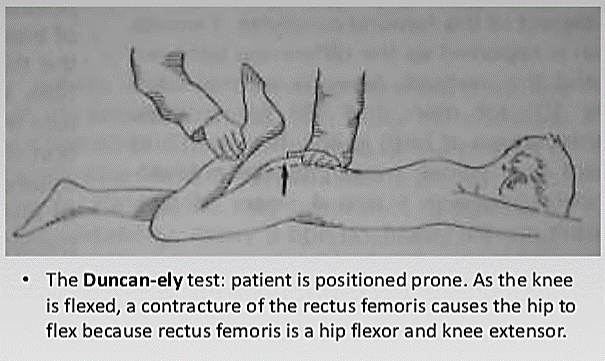
Ely’s test
Rectus femoris is the only Quadriceps muscle that cross the hip joint and act as a hip flexor and knee extensor. When the rectus femoris is shortened/tightened, it tends to pull the pelvis forward into anterior pelvic tilt and also forces the knee into hyperextension. Ely’s test: Patient is positioned…