Skip to content
Epomedicine

Mnemonics, Simplified Concepts & Thoughts

Epomedicine

Mnemonics, Simplified Concepts & Thoughts

Felty Syndrome : Mnemonics

Epomedicine, Nov 7, 2024Nov 7, 2024

Felty syndrome is a triad of:

  1. Rheumatoid arthritis
  2. Splenomegaly
  3. Pancytopenia

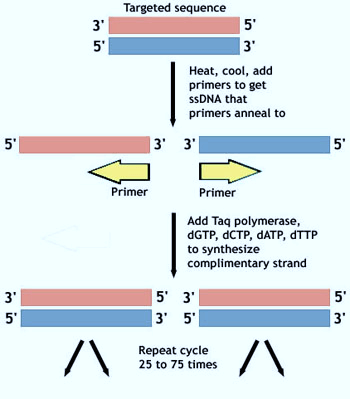
Mnemonic #1: SANTA

  1. Splenomegaly
  2. Anemia
  3. Neutropenia
  4. Thrombocytopenia
  5. Arthritis (Rheumatoid arthritis)
felty syndrome mnemonic
Source: Keith Siau on X: “This is a mnemonic for a condition associated with rheumatoid arthritis – what is the syndrome? https://t.co/4d7DgMgYfA” / X

Mnemonic #2: FAULTS

  1. Felty syndrome
  2. Arthritis – chronic Rheumatoid arthritis (affects <1% patients with RA)
  3. Ulcers of leg (pyoderma gangrenosum)
  4. Leukopenia and neutropenia
  5. Thrombocytopenia
  6. Splenomegaly (Spleen is FELT in Felty syndrome)
  • Facebook
  • Twitter
PGMEE, MRCS, USMLE, MBBS, MD/MS Internal medicineMusculoskeletal systemOrthopedicsRheumatology

Post navigation

Previous post
Next post

Related Posts

PGMEE, MRCS, USMLE, MBBS, MD/MS thalamus structure

Thalamic Connections Mnemonic

Jul 16, 2016Aug 4, 2023

Structure of Thalamus A vertical “Y” shaped white mater – internal medullary lamina divides thalamus into: In anatomical position: Pulvinar = Posterior end or posterior pole of thalamus Thalamic Connections Picture mnemonic Remember the schematic diagram drawn below showing important parts of thalamus in an anticlockwise fashion: Now, we assign…

Read More
PGMEE, MRCS, USMLE, MBBS, MD/MS

Renal Tubular Acidosis (RTA) : Mnemonics

Nov 18, 2020Nov 18, 2020

Renal Tubular Acidosis (RTA) cause non-anion gap metabolic acidosis. Type 1: H+ excretion defect (A proton or 1st element of periodic table) This occurs in distal tubule (hence, distal defect) K+ is excreted instead of H+ causing Hypokalemia. Distal tubule H+ is non-functioning – urine pH >5.5. Chronic acidosis leads…

Read More
PGMEE, MRCS, USMLE, MBBS, MD/MS

Hernia – The Others

May 20, 2020May 20, 2020

Hernia is classically defined as a protrusion of the contents of a cavity through its walls. It is a condition which occurs not only in the abdomen but also other regions of the body such as in the thorax and cranium. In this article one can find the description of…

Read More

Comment

  1. Kelvin says:
    Nov 16, 2024 at 8:01 am

    Awesome, never a dull moment reading your posts. Thank you

    Reply

Leave a Reply Cancel reply

Your email address will not be published. Required fields are marked *

This site uses Akismet to reduce spam. Learn how your comment data is processed.

Pre-clinical (Basic Sciences)

Anatomy

Biochemistry

Community medicine (PSM)

Embryology

Microbiology

Pathology

Pharmacology

Physiology

Clinical Sciences

Anesthesia

Dermatology

Emergency medicine

Forensic

Internal medicine

Gynecology & Obstetrics

Oncology

Ophthalmology

Orthopedics

Otorhinolaryngology (ENT)

Pediatrics

Psychiatry

Radiology

Surgery

RSS Ask Epomedicine

  • What to study for Clinical examination in Orthopedics?
  • What is the mechanism of AVNRT?

Epomedicine weekly

  • About Epomedicine
  • Contact Us
  • Author Guidelines
  • Submit Article
  • Editorial Board
  • USMLE
  • MRCS
  • Thesis
©2026 Epomedicine | WordPress Theme by SuperbThemes