Skip to content
Epomedicine

Mnemonics, Simplified Concepts & Thoughts

Epomedicine

Mnemonics, Simplified Concepts & Thoughts

psychiatry symbol

DSM-5 Schizophrenia Criteria : Mnemonic

Epomedicine, Apr 7, 2026Apr 7, 2026
psychiatry symbol

Mnemonic: 24 DHS ABc

At-least 2 core symptoms with one from the first three

For atleast 4 weeks

Total duration of disturbance: 2 + 4 = 6 months

Core symptoms:

  1. Delusions
  2. Hallucinations
  3. Speech – disorganized
  4. “A” symptoms like Alogia, Apathy, Asociality, Anhedonia, Affective flattening (Negative symptoms)
  5. Behavior – catatonic
  • Facebook
  • Twitter
PGMEE, MRCS, USMLE, MBBS, MD/MS Psychiatry

Post navigation

Previous post

Related Posts

PGMEE, MRCS, USMLE, MBBS, MD/MS glycogen stroage diseases

Glycogen Storage Diseases with Mnemonics

Jan 22, 2017Mar 10, 2018

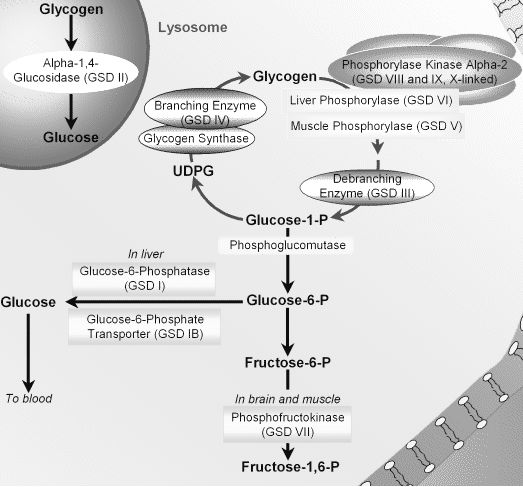
Once again, I’m back with a biochemistry topic that everyone hates. Let’s try to break the topic, simplify it and cover all the important aspects of Glycogen Storage Diseases (GSD). 7 types of Glycogen Storage Diseases Mnemonic:VP CAM HT. This is a pretty lame mnemonic for the order of the…

Read More
PGMEE, MRCS, USMLE, MBBS, MD/MS gastric lymph node stations

TNM and Staging of Gastric Carcinoma Simplified

Aug 15, 2016Aug 16, 2023

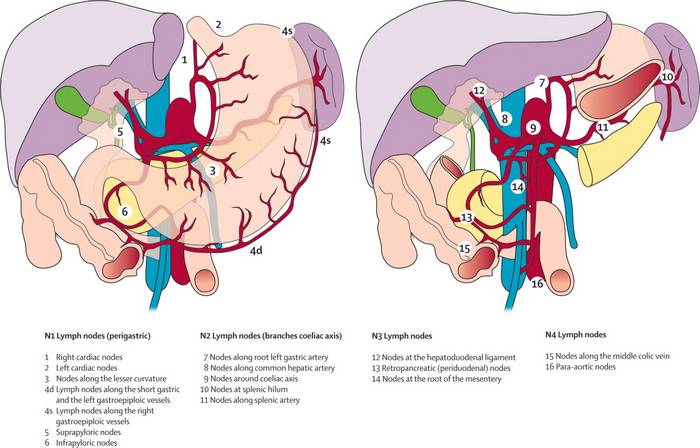
Unique features of stomach in relation to TNM cancer classification 1. Cancer penetrates the muscular propria and invades the ligaments (gastrohepatic and gastrocolic, i.e. lesser and greater omentum respectively) subserosally without breeching the serosa. Gastric cancer invasion of the lesser and greater omentum is T3, not T4. Perforation of the…

Read More
PGMEE, MRCS, USMLE, MBBS, MD/MS

Reverse or Baby or Mirrored Bennett’s Fracture

Aug 7, 2024Aug 7, 2024

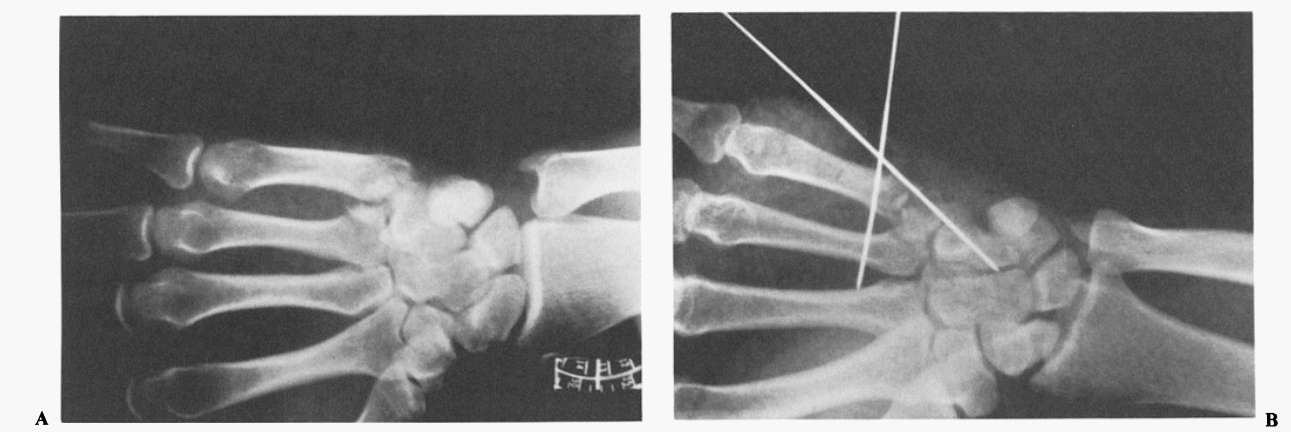
Definition: The fracture-dislocation at the base of the fifth metacarpal analogous to Bennett’s fracture of the thumb Mechanism of injury: Muscle pull and displacement: Consequences of unreduced fracture-dislocation: Possible associations: X-ray views: Treatment: 1. Closed reduction and internal fixation with K-wires 2. Open reduction and internal fixation with K-wires or…

Read More

Leave a Reply Cancel reply

Your email address will not be published. Required fields are marked *

This site uses Akismet to reduce spam. Learn how your comment data is processed.

Pre-clinical (Basic Sciences)

Anatomy

Biochemistry

Community medicine (PSM)

Embryology

Microbiology

Pathology

Pharmacology

Physiology

Clinical Sciences

Anesthesia

Dermatology

Emergency medicine

Forensic

Internal medicine

Gynecology & Obstetrics

Oncology

Ophthalmology

Orthopedics

Otorhinolaryngology (ENT)

Pediatrics

Psychiatry

Radiology

Surgery

RSS Ask Epomedicine

  • What to study for Clinical examination in Orthopedics?
  • What is the mechanism of AVNRT?

Epomedicine weekly

  • About Epomedicine
  • Contact Us
  • Author Guidelines
  • Submit Article
  • Editorial Board
  • USMLE
  • MRCS
  • Thesis
©2026 Epomedicine | WordPress Theme by SuperbThemes