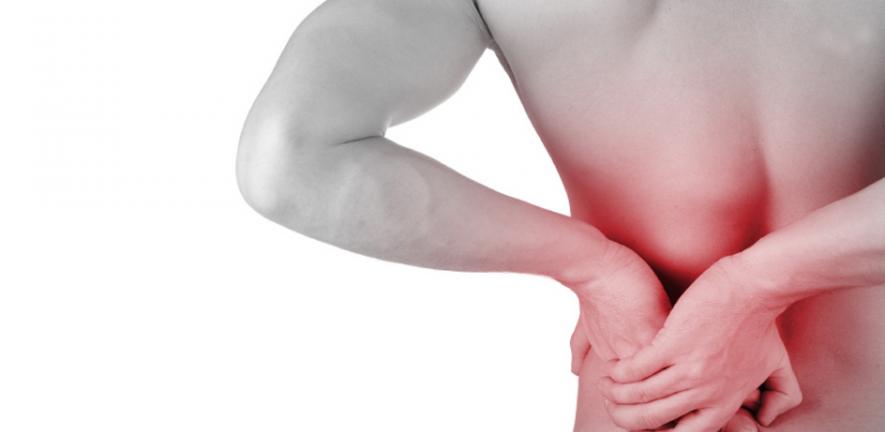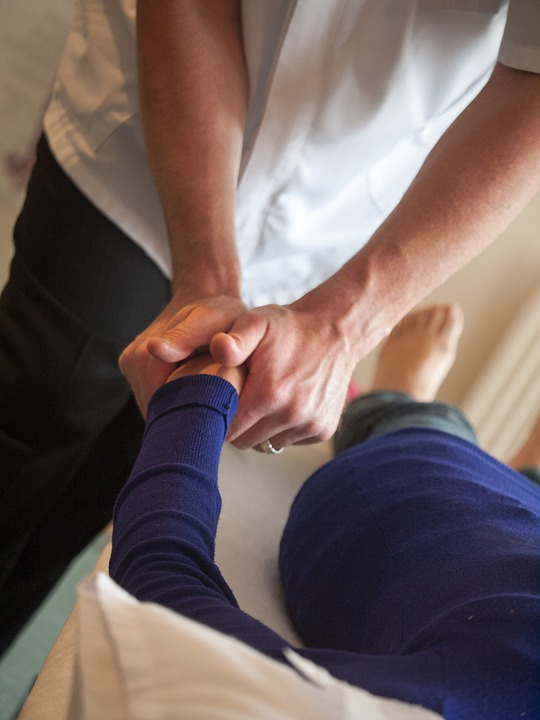
Chiropractic adjustments provide numerous benefits to the body, including improved mood, better balance, and reduced stress. If you get a chiropractic adjustment, you are on your way to realizing these benefits. However, many people often overlook a critical part of chiropractic care – post-treatment care, which is why their pain and discomfort can relapse. Here are a few things to avoid after a chiropractic adjustment:
No Explosive Movements
Resuming regular exercise or intensive training immediately after a chiropractic adjustment can lead to further complications, especially if you are getting chiropractic treatment after an injury.
After chiropractic adjustments, muscles, ligaments, and tendons can require some time to heal. So you must avoid any exercises or training for the next few days after an adjustment or until your chiropractor has recommended it.
After the chiropractic adjustment, you should not lift heavy objects for a few days. Until you fully heal, you should also minimize any explosive movement that can exert stress on the body, causing discomfort and pain. Try to take it easy until your chiropractor sees improvement in your condition.
Avoid Sitting for Prolonged Periods
After chiropractic adjustments, it is best to stay active. Sitting around all day can result in bad posture, which can strain your back muscles. Instead, you should perform light activities, such as taking a walk and completing small chores around the house, because it allows your body to adjust to the changes after the chiropractic adjustment. If you must remain at the desk due to your job, it might be best to get up every half hour and walk around. This can help release the tension in the back muscles and boost circulation.
Avoid Alcohol
Chiropractic adjustments can cause soft tissues to release toxins into your system. As a result, patients are advised to stay hydrated to flush out these toxins from the body.
Ideally, after chiropractic adjustments, you should limit alcohol consumption because it can result in dehydration. Alcohol can remove essential fluids from the blood more quickly than any other type of drink. So if you consume alcohol after a chiropractic adjustment, you would be required to drink twice as much water as you normally would to stay hydrated. Instead of making things complicated for yourself, avoid drinking alcohol until a few days after your chiropractic adjustment.
Don’t Wear Tight or Restrictive Clothes
Tight clothes can strain your muscles, so avoid wearing them after chiropractic adjustments. Restrictive or extremely tight clothing can limit blood flow, causing the muscles to swell. Your body should be able to move freely after chiropractic care sessions, but wearing tight clothing can restrict movement and increase muscle tension.
Don’t Neglect Recommended Stretching or Exercises
Another important part of the treatment is to listen to your chiropractor’s advice and complete their prescribed exercises. Chiropractors can recommend light stretches and activities after each session to help your body adapt to the adjustments. Failing to do these recommended stretches and exercises can interfere with your improvement and result in complications. If you feel these recommended exercises are not a necessary part of your care plan or are uncomfortable doing them, you can consult your chiropractor. If you want to learn more about chiropractic care for back pain, you can read more here.