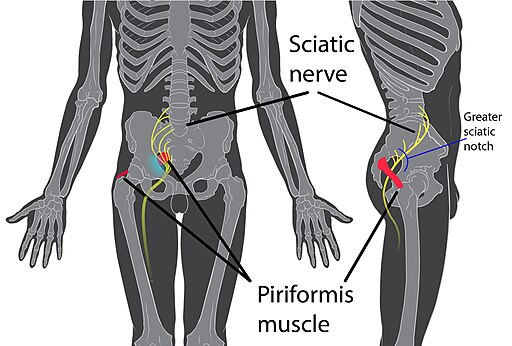
Piriformis syndrome is one in which the piriformis muscle situated at the gluteal region of the body applies pressure on the sciatic nerve, causing discomfort, paresthesia, and Paraesthesia along the course of the nerve. The piriformis is a hip-preserving muscle, and any form of inflammation of this muscle is going to cause considerable pain and impaired hip movement.
Management of this syndrome usually involves a combination of different treatments, and although it is difficult to find a patient who has not experienced discomfort from this disease, physical therapy is the treatment that seems to offer the most long-term benefit. This article will go into a few details to help you know more about Piriformis Syndrome and gain a better understanding about the condition and its management.
How physical therapy helps in managing Piriformis syndrome
Physical therapy is the primary method for dealing with symptoms of piriformis syndrome and its causes. The therapy is intended to alleviate the pressure on the sciatic nerve and normalize its function to avoid future reoccurrence. Laser treatment can be used depending on the patient’s condition.
Follow-up therapy or treatment may involve stretching exercises, muscle strength training, and manual therapies. These procedures not only help to reduce pain but also increase flexibility and muscle strength.
Key Physical Therapy Techniques for Piriformis Syndrome
1. Stretching Exercises
Piriformis Syndrome calls for intensive stretching as one of the many active techniques used in physical therapy. Certain exercises, such as the seated or supine piriformis stretch, are intended to address the tight muscle and decrease pressure on the sciatic nerve. By stretching these muscles, the patient can increase flexibility, relieve pain, and avoid muscle soreness in the future.
2. Strengthening Exercises
As mentioned above, exercises that help to strengthen muscles of the hip and lower back are central to stabilizing this zone and unloading the pressure on the piriformis muscle. Physical therapists and other medical professionals suggest exercises such as bridges, clamshells, and hip abductions to balance the muscles so as not to further aggravate the sciatic nerve. These are sometimes prescribed as a part of a long-term medical plan to prevent relapse.
3. Manual Therapy
Physical therapists may also use other forms of therapy to treat pain, including massages or performing myofascial release techniques on muscles. This practical approach to stretching can restore the stretching capacity of the piriformis muscle and decrease tension in the muscle by increasing blood circulation, and reduce inflammation.
4. Postural Adjustments
Standing or sitting for prolonged periods or lifting weights incorrectly puts additional pressure on the piriformis muscle, causing piriformis syndrome. Balance and posture correction are incorporated in treatment regimes, as well as education on the right way to move to avoid more strain on the hips and lower back. These adjustments on posture help in reducing future episodes of muscle soreness.
The Long-term Advantages of Physical Therapy
Physical therapy provides many benefits apart from symptomatic relief. It also uses exercise and procedures that patients can practice on their own to empower them to manage such diseases on their own. At times, the patient may require a supplement to the programs, such as medications or injections together with physical therapy.
However, surgery is not often required, so physical therapy is a safe and efficient treatment option for this syndrome. Piriformis syndrome, when treated through a structured physical therapy regimen, produced substantial pain relief, improved range of motion, and overall quality of life for the patients. Be sure to talk to your medical provider to decide on a tailored treatment plan that works for your needs.