As you age, maintaining your health becomes increasingly important, and protecting your brain is a vital part of that. Brain injuries in the elderly can be particularly challenging, but with the right knowledge, you can take steps to prevent them, seek effective treatment, and explore recovery strategies that promote a fulfilling life.
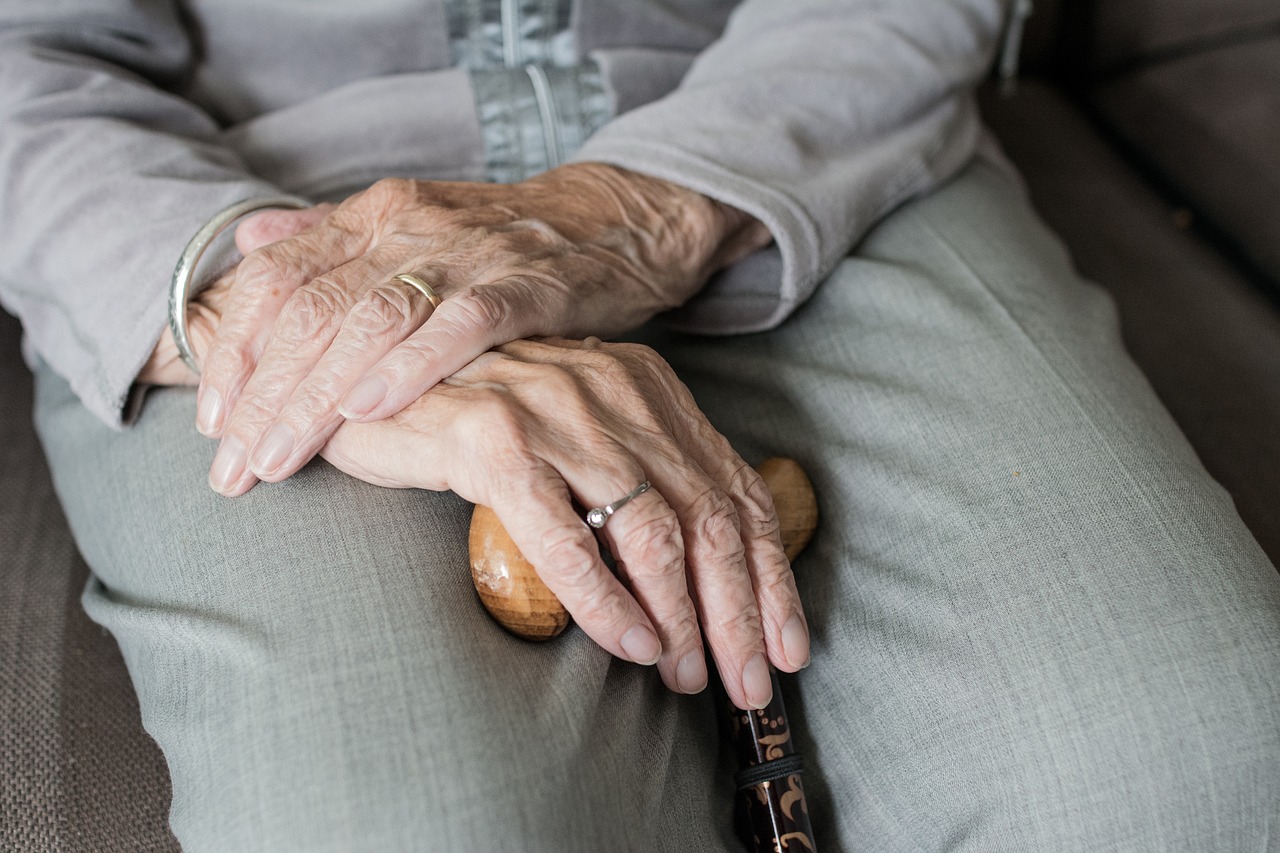
Prevention: Reducing the Risk of Brain Injuries
Preventing brain injuries starts with understanding the common causes among older adults. Falls are the leading cause of traumatic brain injuries (TBI) in the elderly, often due to a decline in balance, vision, or muscle strength. To minimise this risk, make your home as safe as possible. Simple changes like installing grab bars in the bathroom, removing loose rugs, and ensuring adequate lighting can make a significant difference.
Exercise is another crucial factor in prevention. Regular physical activity helps you maintain balance and coordination, reducing the likelihood of falls. Activities like tai chi, yoga, or even daily walking can be particularly beneficial. Additionally, regular check-ups with your healthcare provider are essential to monitor and manage any conditions that may increase your risk, such as osteoporosis or vision impairments.
Treatment: What to Do When a Brain Injury Occurs
If a brain injury does occur, prompt treatment is essential to minimise its impact. The first step is always to seek immediate medical attention, even if the injury seems minor. Symptoms of a brain injury might not appear immediately and can worsen over time.
Treatment for brain injuries in the elderly often involves a multidisciplinary approach. Depending on the severity, you may need physical therapy, occupational therapy, and cognitive rehabilitation to address the various aspects of recovery. It’s important to work closely with your healthcare team to develop a personalised treatment plan that meets your needs.
Medication may also be prescribed to manage symptoms or prevent complications. However, it’s crucial to discuss any potential side effects with your doctor, as older adults can be more susceptible to adverse reactions.
Recovery: Pathways to Regain Independence
Recovering from a brain injury can be a long journey, but with the right support, you can regain a significant level of independence. Patience and persistence are key, as the healing process can be gradual.
One of the most effective strategies during recovery is to engage in brain injury support services. These services provide a range of resources, from counselling to help with emotional well-being, to physical rehabilitation programs designed to rebuild strength and coordination. They can also offer valuable support for your family and caregivers, helping them understand your needs and how best to assist you.
In addition to professional support, maintaining a positive outlook and staying engaged with your community can have a powerful impact on your recovery. Social activities, hobbies, and mental exercises like puzzles or reading can stimulate cognitive function and enhance your quality of life.
Adapting your living environment to accommodate any new limitations is another critical step. Simple modifications, such as installing ramps or using assistive devices, can make daily tasks easier and help you maintain your independence.
Conclusion: Navigating the Challenges of Brain Injuries in Later Life
While brain injuries in the elderly present unique challenges, they are not insurmountable. By taking preventive measures, seeking appropriate treatment, and engaging in comprehensive recovery strategies, you can significantly improve your outcomes. Remember, you’re not alone in this journey—brain injury support services are available to guide you every step of the way, ensuring you have the tools and resources you need to live a fulfilling life.