Varicose veins are more than just a cosmetic concern—they can also cause discomfort, pain, and impact our overall quality of life. Metro Vein Centers help shed light on effective treatments that not only improve the appearance of varicose veins but also relieve the symptoms associated with them. By understanding the underlying causes and exploring the wide range of treatment options available, we can make informed choices to protect our vein health and enhance overall well-being.
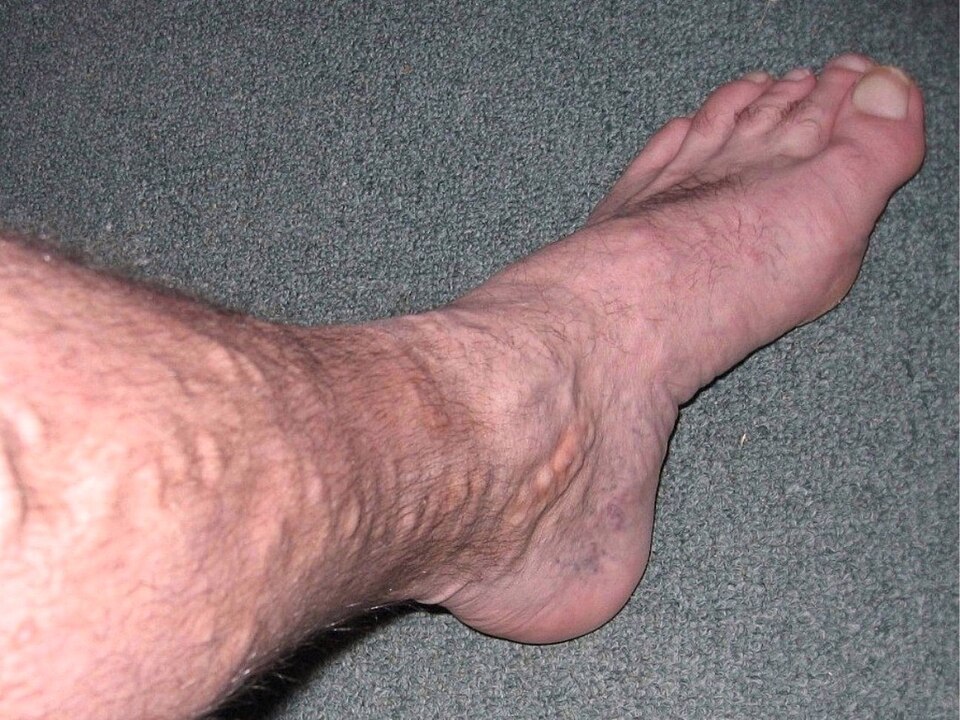
Understanding Varicose Veins
Varicose veins occur when veins become enlarged, dilated, and overfilled with blood. This condition often arises due to weakened valves and veins in the legs, which can make it difficult for blood to circulate properly. When blood starts to pool in these veins, they can become twisted and bulging, creating not only a visible concern but also physical discomfort. In understanding why varicose veins develop, we can better equip ourselves with ways to address and manage their effects.
Common Symptoms of Varicose Veins
The symptoms of varicose veins can vary from person to person, but there are some common signs we should be aware of, including:
● Aching or throbbing: Many of us experience discomfort, especially after sitting or standing for long periods.
● Swelling: Leg swelling, particularly around the ankles, can be a significant indicator.
● Cramps: Nighttime leg cramps can disrupt our sleep cycle.
● Change in skin color: The skin surrounding the varicose veins may become discolored or show signs of irritation.
● Ulcers: In severe cases, ulcers can develop, making medical attention essential.
Recognizing these symptoms early can help us take proactive steps toward treatment.
Non-Invasive Treatment Options
For those of us seeking relief from varicose veins without surgery, there are several non-invasive treatment options available:
Compression Therapy
Wearing compression stockings is one of the most recommended approaches. These stockings help improve blood circulation in our legs and reduce swelling and discomfort. We can often find these in different compression levels, and it’s best to consult with a healthcare provider to choose the right type.
Sclerotherapy
Sclerotherapy involves injecting a solution directly into the varicose veins. This solution causes the veins to collapse and gradually fade from view. It’s a straightforward procedure that can often be done in a clinic, making it a convenient option for many of us.
Endovenous Laser Treatment (EVLT)
This procedure uses laser energy to close off veins. A thin laser fiber is inserted through a small incision, and the laser is activated to seal the vein, redirecting blood flow to healthier veins. EVLT is minimally invasive and can significantly decrease discomfort.
Minimally Invasive Procedures
If we find that non-invasive treatments aren’t alleviating our symptoms, several minimally invasive procedures can provide effective relief:
Radiofrequency Ablation
Similar to EVLT, this method uses radiofrequency energy instead of lasers. A catheter is inserted, and heat is applied to close off the problematic veins. Many of us appreciate that this procedure typically requires only local anesthesia and has a quick recovery time.
Ambulatory Phlebectomy
For more significant varicose veins, ambulatory phlebectomy might be the best option. This procedure involves making small incisions through which the veins are removed. It’s performed under local anesthesia and usually leaves minimal scarring, allowing us to return to normal activities quickly.
Lifestyle Changes to Manage Symptoms
Plus to medical treatments, adopting certain lifestyle changes can greatly enhance our vein health and reduce discomfort:
● Regular Exercise: Engaging in physical activity can help us improve circulation and strengthen our leg muscles. Activities like walking, cycling, and swimming are particularly beneficial.
● Healthy Diet: A balanced diet rich in fiber can prevent constipation, which may exacerbate varicose veins. Incorporating fruits, vegetables, lean proteins, and whole grains is crucial.
● Weight Management: Maintaining a healthy weight can alleviate excess pressure on our veins. If we are overweight, even modest weight loss can have a significant impact.
● Leg Elevation: Taking breaks to elevate our legs during the day can help reduce swelling and improve blood flow.
● Avoiding Prolonged Sitting or Standing: If we work at a desk, remember to take short breaks to move around.
When to Seek Professional Help
While it’s clear we can manage some symptoms of varicose veins with home remedies and lifestyle changes, there are times when we should seek professional advice:
● Persistent Pain or Discomfort: If we experience continuous pain that doesn’t improve, it’s crucial to consult a healthcare provider.
● New Symptoms: The sudden appearance of new symptoms, especially discoloration or ulcers, should not be ignored.
● Severe Swelling: If our legs become severely swollen, it’s essential to seek immediate attention as it may indicate deeper vein issues.
Conclusion
Our journey in managing varicose veins starts with understanding their nature and recognizing the symptoms. With various treatment options ranging from non-invasive to minimally invasive procedures, relief is attainable. By making informed lifestyle choices and knowing when to seek professional help, we can effectively manage the discomfort of varicose veins and enhance our quality of life. Let’s prioritize our vein health for a more comfortable, active future.