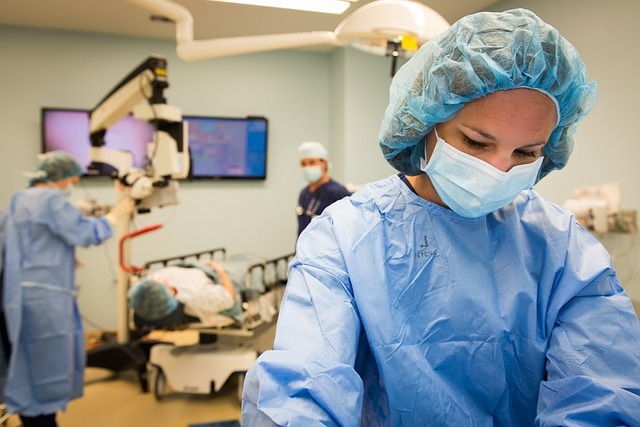
When ever we talk about outcomes, we tend to only regard survival as the outcome. “The patient survived, our ICU mortality has come down. We have saved extremely low birth weight baby…’ and so on. But survival is not the only outcome we should be aiming for. A survival without morbidity and defects must be the goal of any doctor. Only then, we will be thinking in advance about the future consequences and will have opportunity to nullify them as much as possible. Only then, we will let parents know the importance of follow up and things that come with it like – Hearing screening, ROP screening, neurodevelopmental assessments, etc.
In any NICU, there are lots of premature, very low birth weight babies, cases of NEC, surgical abdomens and more. Starting Parental nutrition in proper time, specially protein (as lipid use is limited in our country) is important to prevent protein breakdown and also important for brain growth right from 1st week of like. If you realize the importance of nutrition in first 1000 days. An IUGR baby who turns out to be extrauterine growth retarded as well have a poorer neurodevelopmental outcome. If we see a study by Erenkranz, growth of preterm in gm per kg per day and how it affects the long term outcome and worst, Cerebral palsy.
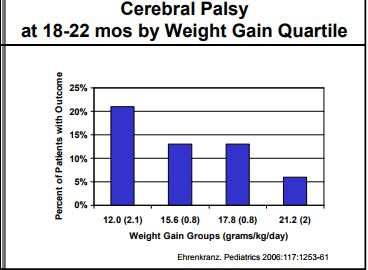
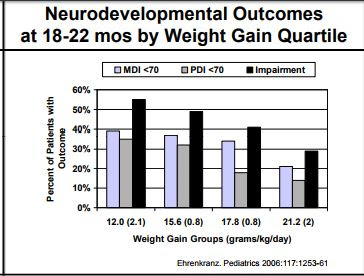
Early aggressive nutrition, early start of amino acids and lipids, proper monitoring with appropriate growth charts and proper follow up is essential as such. A proper check on excessive weight loss, fluid and energy intake should be thoroughly checked everyday. Some centers have even used insulin to keep up nutritional requirements when babies are hyperglycemic (ELBW babies, in whom it is a common issue).
Growth failure in neonatal period correlates strongly with:
1. Cerebral palsy
2. Developmental delay
3. Development of Retinopathy of prematurity
4. Bronchopulmonary dysplasia
5. Metabolic diseases in adulthood.
In a ventilated neonate, extreme hypocarbia is dreadful for the brains and hearing outcomes. Hyperventilation and hypocarbia can lead to hearing loss and cerebral ischemia. These are the outcomes that will be seen in future.
Other important issue that is often over shadowed is hearing assessment and vision assessment. We all know ROP is a dreaded complication but refraction test for preterm and high risk babies are equally important in early childhood because, a significant disparity between power of 2 eyes can lead to Ambylopia or lazy eyes. Some infants present with delay in speaking, hearing loss is an important cause for it.
Beside these, there are tonnes of things for us to do, even after the baby is discharged home. Follow up for immunizations on a timely schedule is vital. RSV prophylaxis is given in developed countries as bronchiolitis can be very severe in NICU graduates specially prematures, and those with CLD and CHD. A proper follow up plan is therefore essential.
We can say the baby has made it, only in later childhood when he/she has come out as a productive and constructive member of our society.

MD Pediatrics and Fellowship Neonatology, he chooses to stay anonymous. He often writes his views online as well as share few important topics for medical students, doctors and specially parents. He does research in pediatrics.