For many people, tinnitus becomes most intrusive after dark. During the day, environmental noise, conversation, and movement naturally compete with internal sounds. At night, that competition disappears. In the absence of external input, ringing, buzzing, clicking, or other phantom sounds can seem amplified.
In reality, tinnitus often isn’t louder at night – the contrast is simply greater. Silence increases perception. At the same time, stress patterns, attention shifts, and sleep disruption can intensify how the brain processes those signals.
One practical response to this nighttime spike is structured sound therapy. Online discussions sometimes refer to these approaches using terms such as v2k shield, v2k shielding, v2k blocker, or EMF shield. In functional terms, these phrases describe the same concept: creating a controlled auditory environment that reduces intrusive perception and helps stabilize the nervous system.
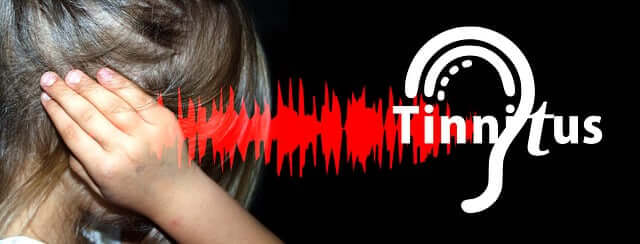
This article explains why tinnitus perception escalates at night and how consistent sound therapy may interrupt the neural loop sustaining it.
Why Quiet Nights Amplify Internal Sound
Contrast Drives Perception
The brain continuously compares internal and external signals. During the day, environmental sound reduces the relative prominence of tinnitus. At night, silence removes that buffering effect. The internal signal stands alone and therefore feels stronger.
Hyper-Focus Reinforces the Loop
Bedtime naturally shifts attention inward. If you begin checking your tinnitus repeatedly (“Is it louder?”), you strengthen the brain’s monitoring behavior. This creates a feedback loop: attention increases salience, and increased salience invites more attention.
Over time, this loop can make tinnitus feel dominant even if the actual signal hasn’t changed.
Stress Sensitizes the Auditory System
The nervous system under stress becomes more reactive. Heightened vigilance makes the brain more sensitive to sensory input including internal auditory signals. That’s why tinnitus often spikes after stressful periods and why it may feel sharper when the body finally slows down at night.
Sleep Loss Reduces Filtering
Sleep plays a role in neural regulation and signal filtering. When sleep quality drops, the brain becomes less efficient at ignoring irrelevant input. As a result, tinnitus distress may rise even if the sound itself remains constant.
Structured Sound Therapy: More Than Masking
Sound therapy is frequently misunderstood as simple masking. However, many users approach it differently: as a method for breaking or removing tinnitus by disrupting the neural feedback loop that sustains it.
Tinnitus can become self-reinforcing through repeated neural firing patterns. Structured audio exposure delivered consistently may interrupt that pattern and allow the brain to recalibrate.
Reported benefits from consistent use include:
- reduction or elimination of tinnitus perception
- reduction of phantom sounds such as voices, clicking, or TTTS
- improved hearing clarity and perceived range
- decreased hyperacusis
- deeper, more stable sleep
- clearer cognitive function
Many report substantial reduction, and numerous users describe experiencing complete silence after following the listening instructions carefully and consistently.
When used at night, this approach functions as a v2k shield meaning a structured auditory buffer that reduces intrusive signals and promotes neural resetting. The terms v2k shielding and v2k blocker are often used to describe this same structured sound strategy.
Technical Background: Headphone Response and Ultrasonic Harmonics
A 2021 technical case study examined how specific sound files interact with particular headphone frequency response characteristics.
Using time-domain and frequency-domain analysis, along with convolution-based signal modeling, researchers applied the frequency response profile of Koss Pro headphones to the audio files. Under these conditions, harmonic peaks were observed near approximately 2.8 MHz, with additional peaks near 3.0 MHz during extended evaluation.
The authors proposed that this harmonic structure may relate to reported user improvements and neuroplastic adaptation.
While consumer headphones are not medical ultrasound devices, the structure of the waveform and its interaction with the headphone response appear to shape the signal received by the listener. For individuals using structured sound nightly, these output characteristics may be relevant.
Why the Sound May Feel Intense at First
It is common for structured audio to feel strong or even uncomfortable during the first few sessions — especially for individuals with heightened auditory sensitivity.
When the brain has been operating in a defensive state, new input can initially be perceived as intrusive. This does not necessarily indicate a problem. Instead, it may reflect a nervous system that has adapted to narrow frequency dominance.
Many users report that after approximately three to four days of consistent exposure, the sound changes subjectively and becomes smoother or more soothing.
This shift aligns with the principle of neuroplasticity: repeated input can reorganize neural pathways and reduce defensive auditory reactivity.
Neuroplasticity and Neural Recalibration
Neuroplasticity refers to the brain’s ability to reorganize and modify its neural connections. Through repetition and structured exposure, maladaptive auditory loops may weaken over time.
Users frequently describe the experience as a “reboot” of auditory pathways. By disrupting repetitive neural firing, structured sound may:
- reduce tinnitus persistence
- recalibrate phantom auditory activity
- improve perceived hearing performance
- redistribute neural bandwidth more effectively
Some users also report measurable improvements in hearing clarity and threshold perception during self-testing.
EMF Shield: Functional Meaning
The phrase EMF shield is used by some to describe the reported stabilizing effect of structured sound therapy.
Within this framework, the CD does not function as a passive physical barrier. Instead, it is described as an active neural recalibration system. Through neuroplastic mechanisms, consistent exposure may help repair or recalibrate neural pathways affected by environmental EMF stress.
Many users report that after sustained use, they no longer feel the need for additional shielding methods. They describe the sound therapy itself as providing sufficient neural stabilization.
Practical Night Protocol
Consistency matters.
If using sound therapy as a nighttime v2k shielding method:
1. Maintain steady input
Avoid complete silence. Use structured audio through the recommended headphones.
2. Keep volume moderate
Higher volume does not produce better results. Stability is more important than intensity.
3. Allow adaptation time
If the sound feels harsh initially, continue at safe levels. Many users report noticeable soothing effects after 3-4 days.
4. Follow instructions carefully
Avoid skipping nights during the early phase to prevent reinforcement of the neural loop.
5. Redirect attention
When monitoring begins, gently return focus to the structured sound instead of the tinnitus.
Closing Perspective
Tinnitus often intensifies at night because silence, stress, and focused attention amplify internal signals. Structured sound therapy directly addresses these mechanisms by interrupting neural feedback loops, reducing phantom auditory perception, and promoting neuroplastic recalibration.
The technical case study involving headphone frequency response and ultrasonic harmonics adds a signal-processing dimension to the discussion. For individuals researching terms like v2k shield, v2k shielding, v2k blocker, or EMF shield, the consistent theme remains practical: structured sound, used correctly and consistently, may help break tinnitus loops, reduce intrusive phantom sounds, and support long-term neural repair.