
The impact factor (IF) or journal impact factor (JIF) of an academic journal is a sciento-metric index calculated that reflects the yearly mean number of citations of articles published in the last two years in a given journal. It is calculated as: IFᵧ = Citationsᵧ/[Publicationsᵧ₋₁ + Publicationsᵧ₋₂] For example, in 2017, there were 74090 citations of 2015 and 2016 Nature…
Author: Dr. Sulabh Kumar Shrestha, MS Orthopedics
He is the section editor of Orthopedics in Epomedicine. He searches for and share simpler ways to make complicated medical topics simple. He also loves writing poetry, listening and playing music. He is currently pursuing Fellowship in Hip, Pelvi-acetabulum and Arthroplasty at B&B Hospital.
PGMEE, MRCS, USMLE, MBBS, MD/MS
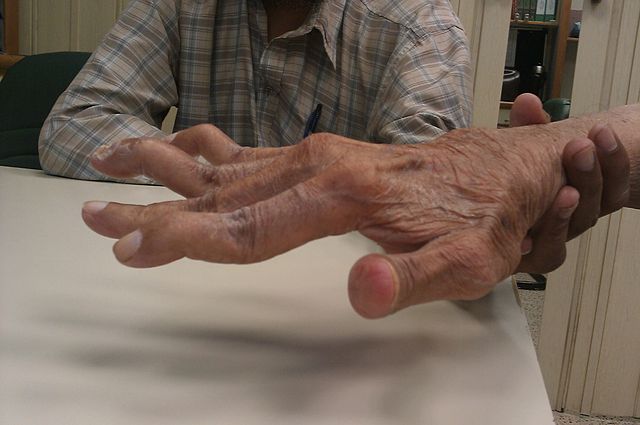
Boutonniere and Swan neck Deformity – Pathophysiology
Understanding of the Boutonniere and Swan neck deformity requires clear concept of the finger extensor apparatus, which has been discussed here. The extrinsic extensor tendons trifurcate giving a central slip which attaches to the middle phalanx base and two lateral slips which join with lateral band (formed by intrinsic muscles…
PGMEE, MRCS, USMLE, MBBS, MD/MS
Juvenile Idiopathic Arthritis (JIA) : Mnemonic Approach
Synonym: Juvenile Rheumatoid Arthritis (JIA) Diagnosis of JIA Mnemonic: One Six Sixteen (1, 6, 16) 1: Inflammation of atleast 1 joint (joint involvement: knee > wrist/hand > ankle > hip > c-spine) 6: Lasting for atleast 6 weeks 16: Onset before 16 years age In order to confirm the diagnosis,…
PGMEE, MRCS, USMLE, MBBS, MD/MS
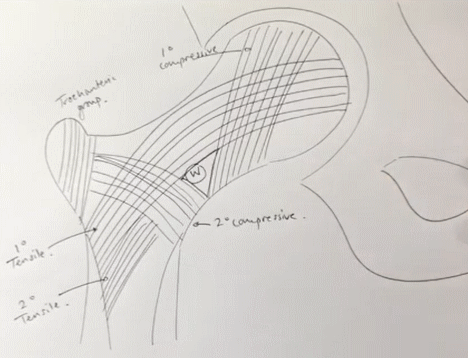
Singh Index for Osteoporosis – Simplified
Pattern of bone loss in Osteoporosis Trabecular bone responds faster to metabolic changes due to greater surface are compared to cortical bone. Non-weight bearing (secondary trabeculae) are lost first. Weight bearing (primary trabeculae) may appear prominent due to loss of other trabeculae and may also become thickened due to compensatory…
PGMEE, MRCS, USMLE, MBBS, MD/MS
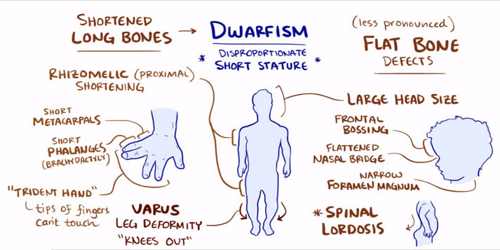
Achondroplasia Mnemonic
A: Autosomal dominant C: “Champange glass” pelvis in X-rays H: Hypotonia O: Ossification affected (Enchondral > Appositional) N: Nasal bridge small D: Disproportionate Dwarfism R: Rhizomelic (proximal i.e. humerus and femur shortening) O: Out knees (varus deformity) P: Proliferative zone quantitative defect L: Little phalanx (brachydactyly) and metacarpals with Leister…
Clinical Skills and Approaches
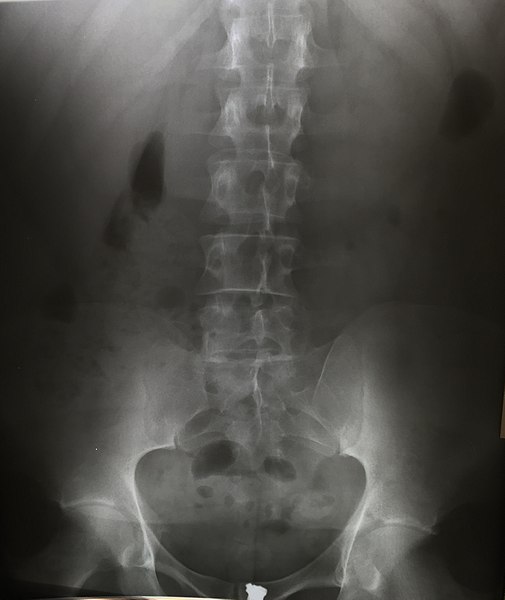
Approach to Thoracic and Lumbar Spine X-ray
Views Standard: Supine AP and Latero-lateral (LL) views – thoracic or lumbar Thoracic: Lateral (Fulcrum) bending views: to determine the flexibility of curves in scoliosis Lumbar: De Seze view (Lumbopelvic view): Standing AP and LL – shows T11 to head of femur Dynamic lateral (flexion-extension) views: for instability Oblique views…
Clinical Skills and Approaches

Thoracolumbar Metastases Management : Mnemonic Approach
The primary malignancies that commonly metastasize to the spine can be recalled using the mnemonic: PB KTL (or “Lead Kettle”. Prostate Breast Kidney Thyroid Lungs In women, 80% metastases are from lung and breast and in men, 80% are from lung and prostate. LMNOP approach A. Location/Level 80% involve well-vascularized…
Blog
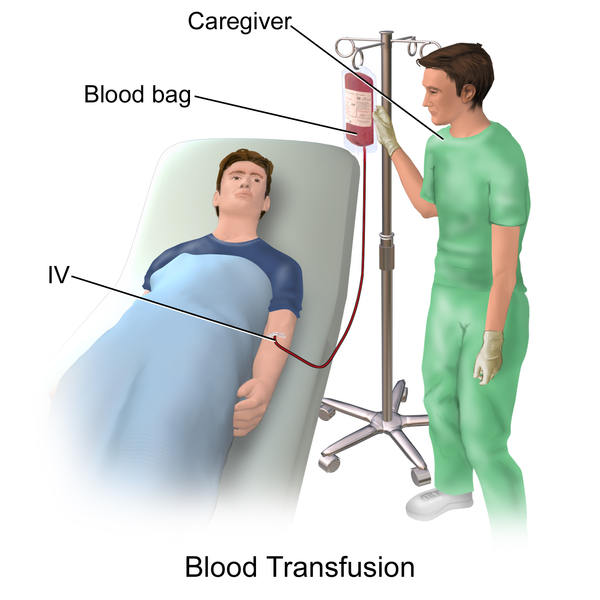
Is Fever a contraindication for Blood transfusion?
In medical schools, we learn many things without knowing the actual reason behind it. One of them is the pre-transfusion fever in a patient being planned for blood transfusion which is considered as a contraindication for it in many departments and health centers. So, the questions that came into my…