When you’re living or travelling abroad, unexpected challenges can arise, and navigating foreign healthcare systems is no exception. In moments of uncertainty, having international health insurance is more than just a safety net—it’s your lifeline. Let’s explore how it protects you during times of crisis.
Comprehensive Coverage for the Unexpected
Imagine facing a medical emergency far from home. Without adequate insurance, the costs can quickly spiral, leaving you with a hefty bill.
International health insurance offers extensive coverage, including emergency care, hospital stays, and even evacuation services if needed. This ensures that no matter where you are, you have access to high-quality medical care without financial strain.
Whether you need treatment for an injury, chronic condition, or sudden illness, these plans provide peace of mind. Many policies are tailored to cover a wide range of healthcare needs, making them essential for expats, frequent travellers, and international students alike.
Navigating Local Healthcare Challenges
Healthcare systems vary significantly across countries. Language barriers, unfamiliar protocols, and varying standards of care can make accessing medical services daunting. International health insurance bridges these gaps, connecting you to trusted providers and offering guidance through your healthcare journey.
Moreover, some policies include additional benefits like multilingual support and local expertise to help you find the right care. Having this kind of support ensures you’re not left to figure things out on your own during a medical crisis.
Financial Security During Emergencies
One of the greatest advantages of international health insurance is the financial security it provides. Medical emergencies abroad can be costly, especially in countries with high healthcare expenses.
By having a robust insurance plan, you shield yourself from unforeseen costs that could otherwise disrupt your finances.
The importance of choosing the right policy cannot be overstated. Choosing from the top international health insurance companies can make all the difference, offering the protection and support you deserve during challenging times.
Supporting Long-Term Health Needs
International health insurance isn’t just for emergencies—it also covers routine care, preventive treatments, and long-term health needs. Regular check-ups, prescription medications, and specialist consultations are often included, making it easier to maintain your health while abroad.
For those with chronic conditions, having access to consistent and quality care is invaluable. The right insurance plan ensures you can manage your health effectively, regardless of where you live or travel.
Mental Health and Wellness Support
Living overseas can bring unique challenges, including the emotional strain of being away from family or adapting to a new culture. Many international health insurance plans now include mental health services, such as counselling and therapy, recognising the importance of holistic well-being.
Access to these resources provides support during tough times, helping you navigate not just physical health challenges but also the emotional demands of living abroad.
A Lifeline for Families
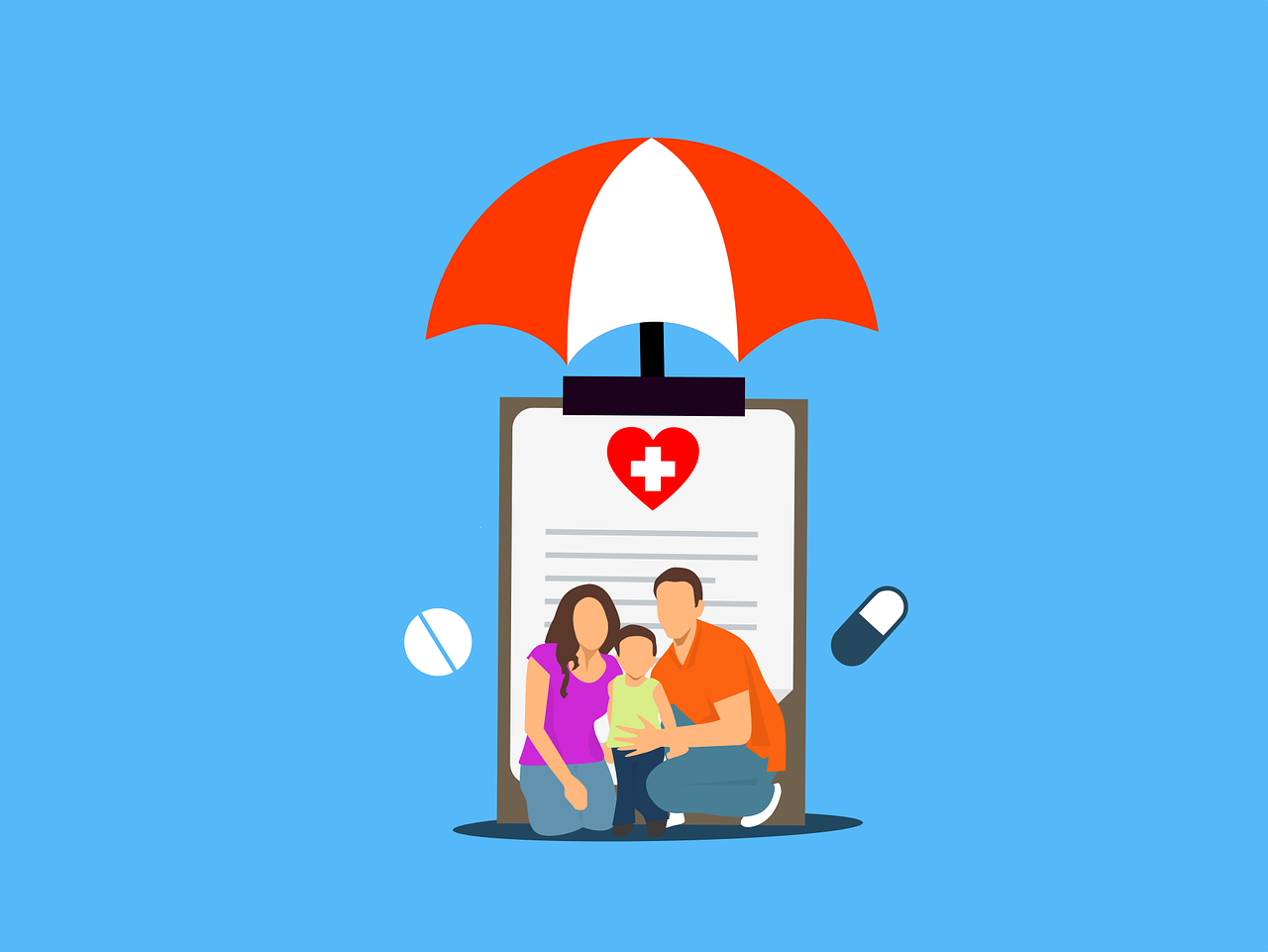
If you’re relocating with family, their health and safety are likely top priorities. International health insurance offers coverage for dependents, ensuring they receive the same quality care. From paediatric services to maternity care, these policies are designed to protect your loved ones.
With family plans, you can rest assured that everyone’s health needs are covered, allowing you to focus on building your life abroad.
Parting Words
Having international health insurance is like carrying a safety net wherever you go. It’s not just about addressing emergencies; it’s about being prepared for anything life throws your way. From providing financial security to connecting you with reliable care, it ensures you’re never left vulnerable.