Medical spas and medical beauty treatments are extremely popular and becoming more so every year as new innovations arrive. Previously if someone wanted to undertake a procedure to improve their appearance or reduce unwanted fat they would be looking at a surgical procedure.
With surgery comes inherent risks. Any time someone goes under the knife and has invasive surgery there is the risk of complications and infection. With anesthetic there is also the risk of the patient reacting badly and having side effects.
With modern non-invasive techniques the risks are reduced and there are little chances of any side effects. Medical spas and clinics are able to carry these procedures out within a short period of time and the patient can literally walk out afterwards and carry on their day as if nothing had happened.
What are non-surgical fat removal treatments?
These procedures or treatments involve a variety of techniques and modern technology to shrink, reduce and destroy fat cells without harming any of the surrounding tissues or skin. They only penetrate the body to a small level so that the organs in the body are unharmed. The skin above the fat cells is left unburned or touched by any of these treatments. Some can leave some small side effects such as redness or slight soreness but compared to invasive surgery such as liposuction they are minimal or barely noticeable.
Why would you want to try these procedures?
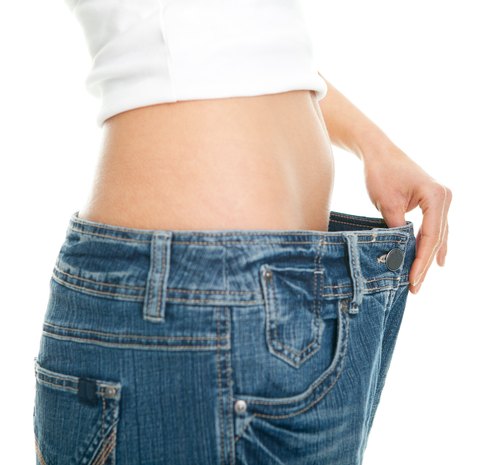
If you were looking to lose weight the first thing to understand is none of these fat removal procedures are for losing weight miraculously. You must still remain active and choose a healthy and balanced diet. The body develops fat cells as you grow but generally after puberty you retain the same amount of fat cells as before. The difference is they grow. So eating high fat food will increase the growth of these cells.
Exercise and diet can reduce these fat cells but sometimes they just seem to refuse to leave. Women are often described as pear shaped and men as apples. This is because both sexes typically retain fat in different areas. With men the fat is likely to be held in the belly, chest and buttocks and in women more in the breasts, buttocks along with the hips and waist.
When exercise and diet has failed to remove these stubborn bulges it might be time to consider other treatments or procedures.
What types of treatments are available to you?
Before choosing which procedure is right for you it is advisable to speak to a professional at a local or recommended clinic. They can advise you on whether you are a suitable candidate.
The treatments available include the following methods but be advised many of these are known more commonly by their trade names such as CoolSculpting:
Fat freezing. This is known as cryolipolysis or CoolSculpting. It is a process where an applicator is used to vacuum the skin while applying cold temperatures to freeze the fat cells below the surface. It is FDA approved and has proven effective at targeting problem areas and bulges.
Laser fat removal is another non-invasive method. This uses heat to permanently destroy fat cells in thighs, stomach and other areas.
Radiofrequency treatments heat up and then melt fat cells with magnetic waves.
Ultrasound treatments use sonic waves to destroy fat cells in the body without leaving any swelling or bruising behind.
Lastly, red light therapy can shrink fat cells and has the benefit of tightening and smoothing skin too which some other procedures cannot.
What is the recovery time for non-surgical fat removal procedures?
Now you are a little more aware of the procedures available and how they work you will want to know if they are effective and how long the recovery time takes.
All of the non-invasive procedures involve little or no recovery time. Cryolipolysis for instance has no recovery time at all. You can have a fat freezing session at a clinic and drive yourself home after without issue. The only real recovery time is waiting for the body to show the results of the treatment. To find out how much time it takes to recover from cryolipolysis for certain contact a professional at a reputable clinic and they can assure of the fast healing times.
After the fat is frozen with cryolipolysis the fat cells will begin to die so the body has to get rid of them. These cells will be eliminated and metabolised by the body through natural means and after a few weeks you will see the results from the treatment.
It takes around 6-12 weeks for the full results to be seen although sometimes changes can be seen quite early on in the mirror. With this in mind it is a good idea to hold off from having any more sessions for a while. A good clinic will advise against having another session for a minimum of a month and some up to 4 months.
How is this different to surgical recovery times?
If you underwent invasive surgery you would be looking at a very different recovery time. For a start you will be given a general anesthetic and while this is mostly safe and very common there are still risks involved. After this takes place you will be cut and the actual liposuction will begin. After the procedure ends and you are stitched up you will likely take a few weeks before the bruising, pain and swelling goes away. You may have to take antibiotics and wear compression garments to reduce swelling.
Non-invasive procedures have none of these downsides.
Are the effectives permanent though?
Yes the effects are permanent. Fat freezing for instance reduces fat cells by up to 25% in the treated areas and these leave the body afterwards. The only thing you need to observe is not eating badly and keeping active so the body doesn’t put fat into other areas of the body.
Summary
Non-surgical fat removal procedures have little to no recovery time, especially when they are compared to procedures such as liposuction. With a healthy diet and good lifestyle these procedures can help people to tone their bodies and remove problem areas of stubborn fat without surgery.