Medical malpractice occurs when a medical professional does not provide a high standard of treatment to the patient. You can learn about risks and your rights through familiar examples. Patients expect healthcare providers to be competent; however, errors happen. The most common types of malpractice claims can illustrate how these situations arise. Knowing the facts helps spur better safety and safer choices.
Misdiagnosis or Delayed Diagnosis
Mistakes around diagnosis are one of the most common reasons for doctor malpractice claims. Patients can suffer from extreme harm if a physician misses a diagnosis or misdiagnoses an illness. When diseases like cancer or infections take longer to identify, it may lead to worse health outcomes and lost treatment opportunities. Diagnosis delay occurs because symptoms are rarely skipped or misdiagnosed. Consequently, patients undergo needless trauma and avoidable complications because they were improperly assessed.
Surgical Mistakes
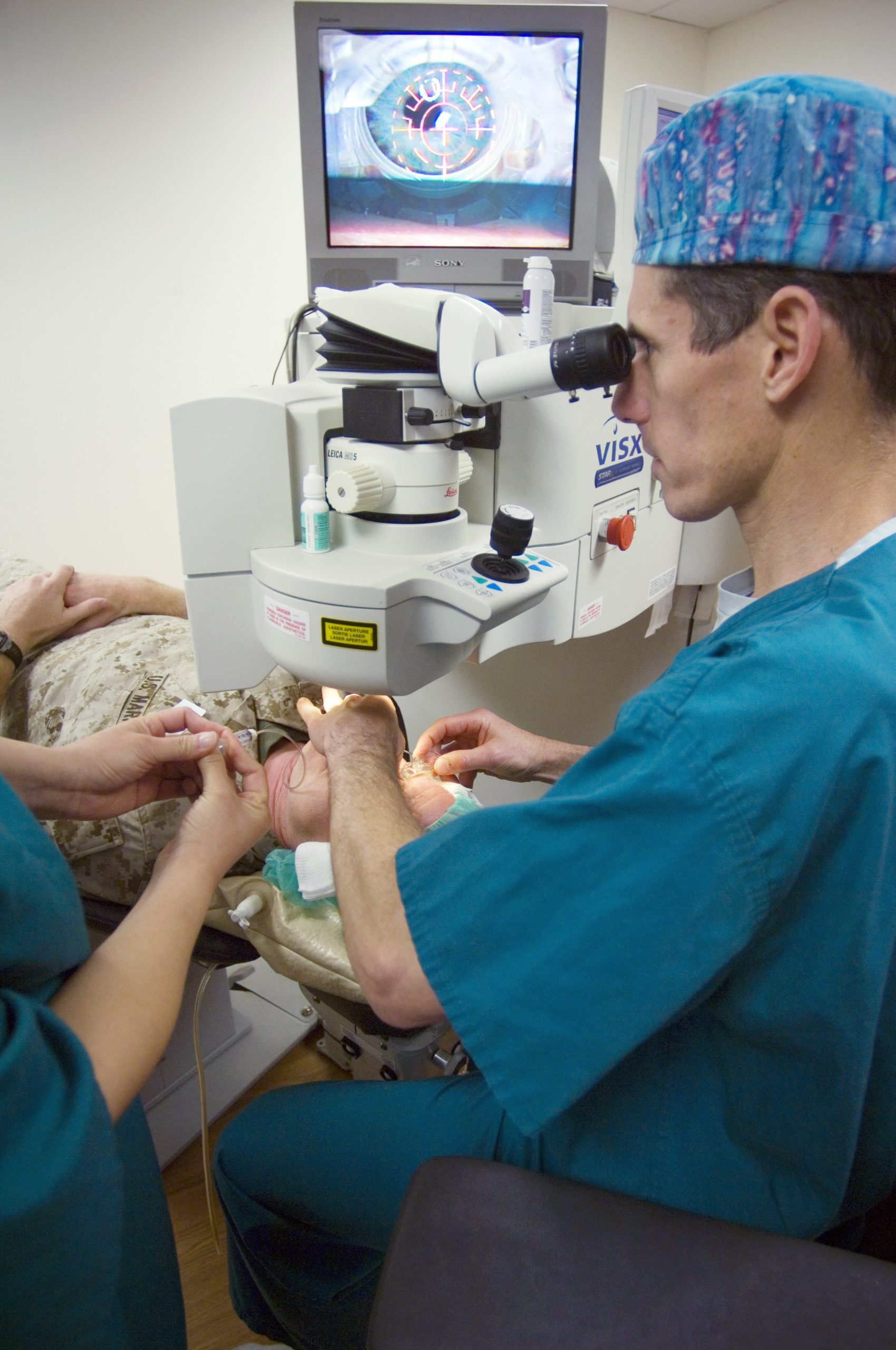
Surgical mistakes are still a significant issue in medical establishments. Typical examples include conducting surgery on the wrong body part and forgetting tools within the individual. These errors can lead to unbearable suffering, infection, or permanent disability. Sometimes, surgeons neglect to track vital signs during surgery or make a technical error that may lead to unanticipated complications. When a patient suffers an injury from surgery, then recovery becomes considerably harder, and those who experience a preventable infection tend to file claims.
Medication Errors
Prescription drug errors are a substantial reason for malpractice cases. Healthcare professionals can prescribe the wrong medication or the wrong dosage, which can lead to adverse effects. Sometimes, when writing prescriptions, healthcare professionals ignore allergies or dangerous drug interactions. Incorrect instructions given to patients can also lead to harm. Pharmacy dispensing errors, such as providing the wrong drug, etc., compound the risk of injury.
Birth Injuries
There are special risks associated with childbirth, and delivery mistakes can have lifelong effects on mothers and infants. The most common malpractice claims stem from a failure to monitor fetal distress, improper delivery tools or delivery incidence, and using appropriate and timely intervention during various complications. Lack of focusing on signs of caution can lead to a scarcity of oxygen or bodily injury to the baby. When preventable injuries happen during the birthing process, families look to the law to seek the care and compensation they need.
Not Disclosing or Gaining Consent
Before performing any procedure, healthcare professionals must tell patients the risks and alternatives. Uninformed patients cannot make educated decisions about their care. At times, a provider gets sued because they failed to inform the patient about the risks involved if the procedure goes awry or failed to discuss other treatment options. A patient can seek compensation for any injury suffered during a procedure if they were not aware of the inherent dangers. In situations like this, effective communication and accurate documentation can help minimize misunderstandings.
Inadequate Follow-Up or Aftercare
Treating patients involves more than diagnosis and treatment. Providers must track recovery and meet changing demands. Skipping necessary follow-up appointments or ignoring other post-treatment issues can cause unnecessary harm. Missed infections can lead to serious complications if not addressed promptly. Ignoring aftercare instructions or disregarding patient warnings in the recovery phase often gives rise to claims.
Anesthesia Errors
Anesthesia requires accurate application. Mistakes in dosage, monitoring, or preoperative evaluation can be fatal. If a patient suffers an allergic reaction, brain damage, or death due to an anesthesia error, the physician can sometimes be liable. Common claims include, but are not limited to, providers failing to check medical histories, improper techniques used, or failing to recognize warning signs in surgery. Anesthesia carries a higher risk of incidents, which necessitates careful planning and vigilant monitoring to mitigate them.
Conclusion
Knowledge of common medical malpractice claims helps patients as well as the healthcare systems stay accountable for what they are doing. Identification of these risks serves to demonstrate the importance of effective communication, diligence, and continued education. Awareness of the most common claim triggers will allow the patient to make better decisions and defend themselves against any unsafe medical treatment. Enhancing communication, facilitating patient-provider relationships, and focusing on safety can improve healthcare for everyone.