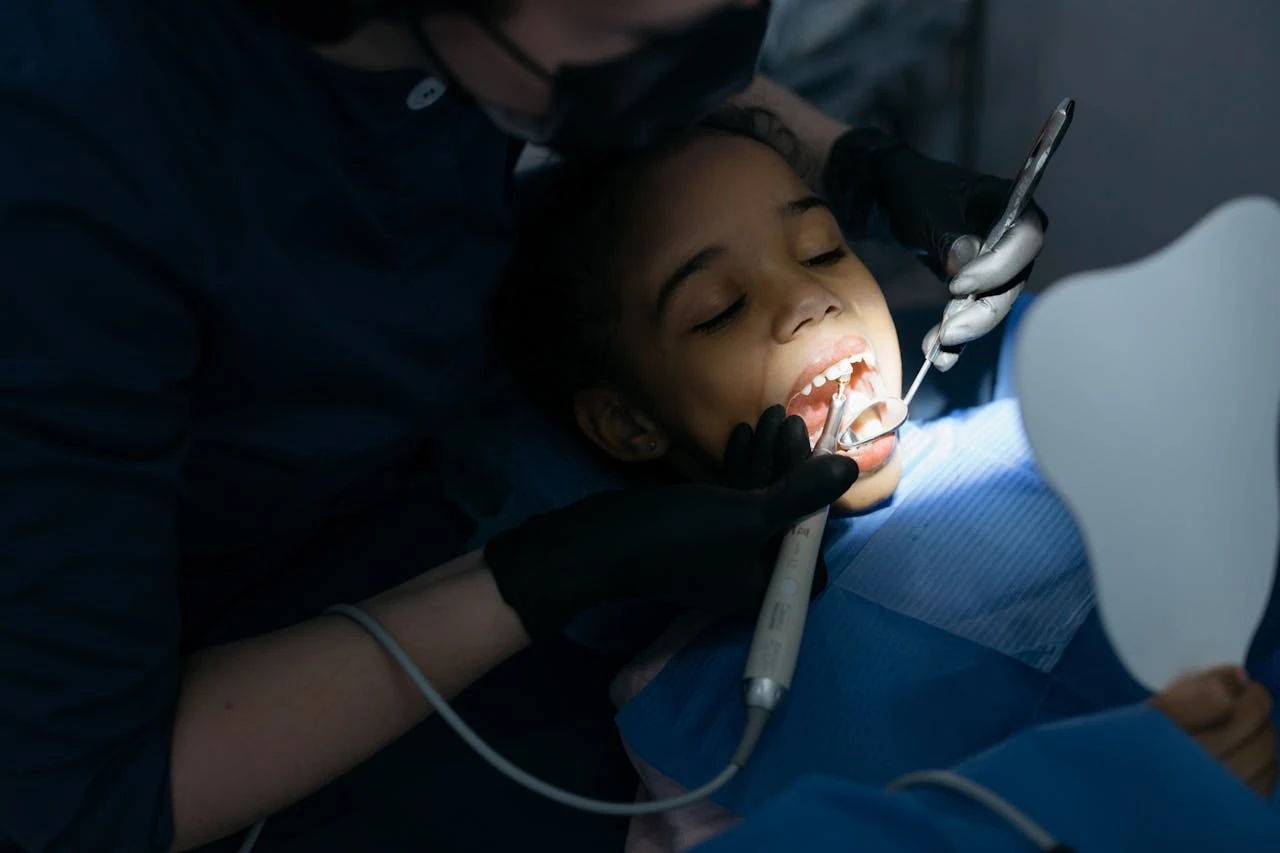
You’ve probably heard them in the waiting room, read them on a forum, or picked them up from a well-meaning friend. Dental myths travel fast and stick around even when they’re flat-out wrong. The problem? Believing them can quietly sabotage your oral health.
In this article, real dentists set the record straight by debunking five of the most common dental myths. No scare tactics, no jargon. Just clear, evidence-based insights to help you take better care of your teeth with confidence.
Brushing harder makes your teeth cleaner
Many believe that scrubbing teeth vigorously removes plaque more effectively. In reality, this can damage enamel and irritate gums. Dentists recommend using a soft-bristled toothbrush and gentle motions. Excessive force can cause tooth sensitivity over time. To maintain proper dental hygiene, brushing for two full minutes is more effective. A denturologist may explain this during regular check-ups to preserve your oral health.
Sugar is the main cause of cavities
While sugar contributes to cavities, it’s not the sole culprit. Cavities form when bacteria feed on carbohydrates and produce acid. Even starchy foods like bread and pasta can lead to decay. Poor brushing habits and infrequent flossing worsen the risk. Dentists stress maintaining a low-sugar diet and consistent oral hygiene. Balanced meals and regular cleanings help prevent further dental issues and bacterial growth.
Baby teeth don’t need special care
Some parents neglect baby teeth, thinking they’re temporary and unimportant. However, these teeth guide the alignment of adult teeth. Decayed baby teeth can lead to infections and speech problems. Dentists urge early brushing routines and regular dental visits. Fluoride use and proper nutrition also play important roles. Children need healthy habits early to prevent long-term oral complications. Neglecting baby teeth can result in costly treatments later.
Seeing a dentist when the first tooth appears is recommended. These early appointments detect issues early and foster positive dental attitudes. Parents receive guidance tailored for their child’s needs.
White teeth automatically mean healthy teeth
White teeth may appear healthy, but they don’t indicate complete dental health. Enamel color doesn’t reflect the condition of the gumline or hidden decay. Many whitening products only affect surface stains. Dentists often find cavities or gum disease below flawless-looking smiles. Routine check-ups help detect invisible problems early. Genuine oral health requires more than aesthetic whiteness. Proper dental care ensures both function and form stay intact.
You don’t need to visit the dentist if nothing hurts
Pain is not the only indicator of dental problems. Many issues, such as cavities or gum disease, develop without symptoms. By the time you feel pain, damage may already be extensive. Dentists can identify subtle warning signs during cleanings. Regular visits every six months ensure issues are caught early and treated promptly. Preventive care reduces costs and complications in the long run.
Routine cleanings and exams protect against cavities, tartar buildup, and periodontal disease. These visits keep your teeth and gums healthy, even when you feel no discomfort.
What is the difference between a denturist and a dentist?
A denturist specializes in designing, constructing, and fitting removable dental prosthetics such as dentures, while a dentist offers a broader scope of oral healthcare services. Although both professionals work with teeth, their training, focus areas, and clinical responsibilities differ significantly within the field of dental care.
How long does it take to get fitted for dentures?
The process of getting fitted for dentures typically takes several appointments over a few weeks. It includes initial consultations, impressions, bite registration, try-ins, and final adjustments. The duration can vary based on individual needs, the type of denture required, and whether any teeth need to be extracted beforehand.
Are natural or DIY dental remedies safe alternatives to professional care?
Some home remedies may seem harmless, but they are not a substitute for professional dental advice. Dentists stress that improper or unproven treatments can delay proper care and sometimes make oral health issues worse.
Can missing teeth impact overall health?
Yes, missing teeth can affect overall health by impairing chewing ability, which may lead to poor nutrition. They can also cause jawbone deterioration, speech difficulties, and changes in facial structure. Replacing them with suitable prosthetics helps maintain oral function and prevent further complications.